Firefly Farm Burke Hollow



Eggs

Dairy
Maple Syrup

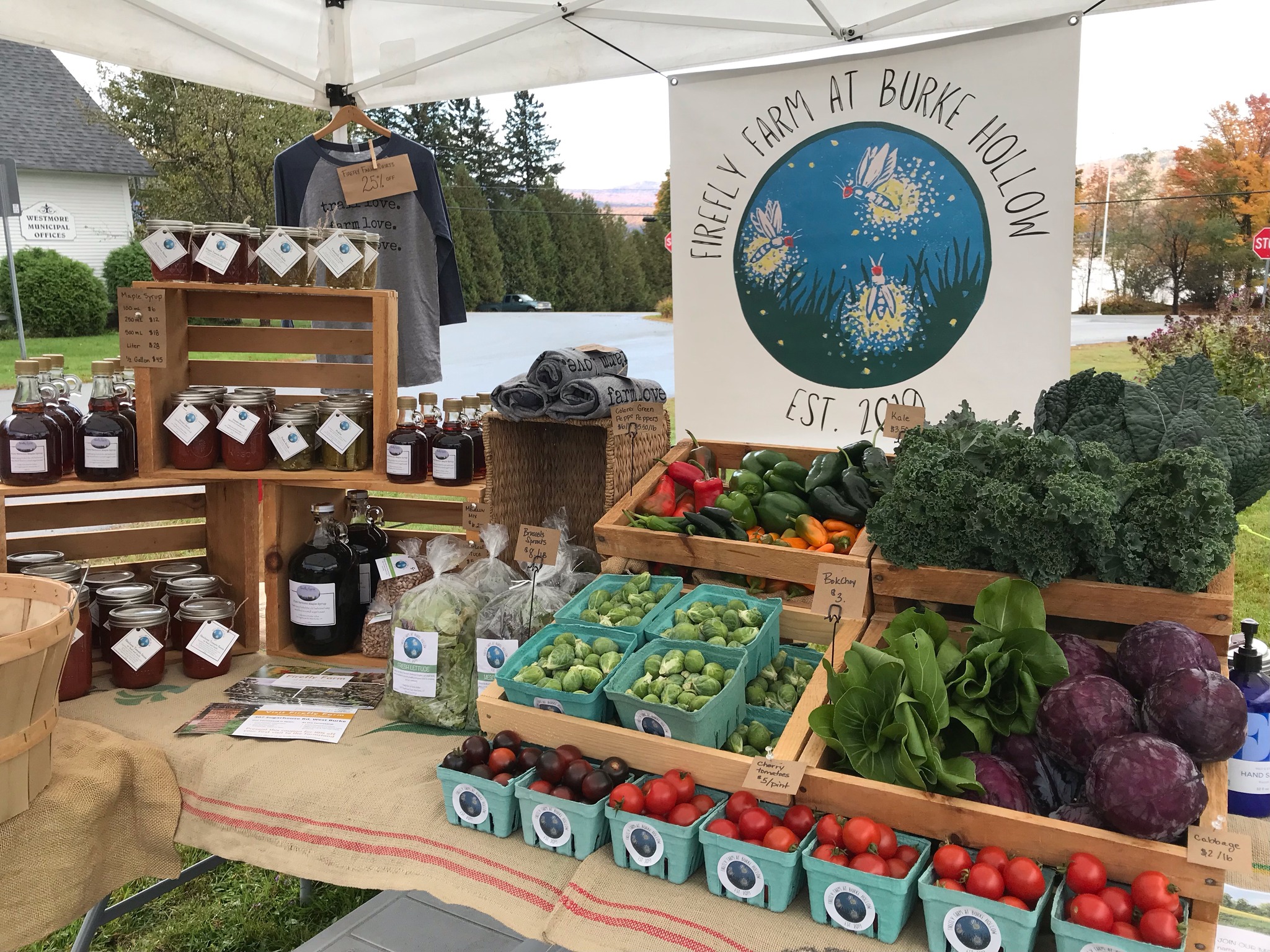
Produce

Orchard
About the Farm
The story of Firefly Farm at Burke Hollow began around the turn of the millennium when the farming family was expecting their first child and thinking passionately about how they wanted to nourish him. They planted their first garden, shopped at the co-op, and began working with whole foods: baking their own breads, tortillas, canning jams, and freezing small harvests. After an unexpected move to the coast of Maine, they took advantage of the climate and began growing a lot of their own food, raising hens, and dreaming about a farm of their own where they might grow enough food to sustain themselves.
Their dream included a farm with an old barn still standing, a place to build a tiny net zero home, many vegetable gardens, a farm stand, a mature apple orchard and sugarbush, a pond, a cleared pasture, at least 25 acres, and it had to be in a cool town in Vermont. As a family of four, they had become very connected to their community in Maine and suspected they would not return to their home state until many years later when the kids were grown. But one night at the kitchen table, in a moment of political frustration, they peeked at the real estate listings and there was their farm, all of it, waiting for them.
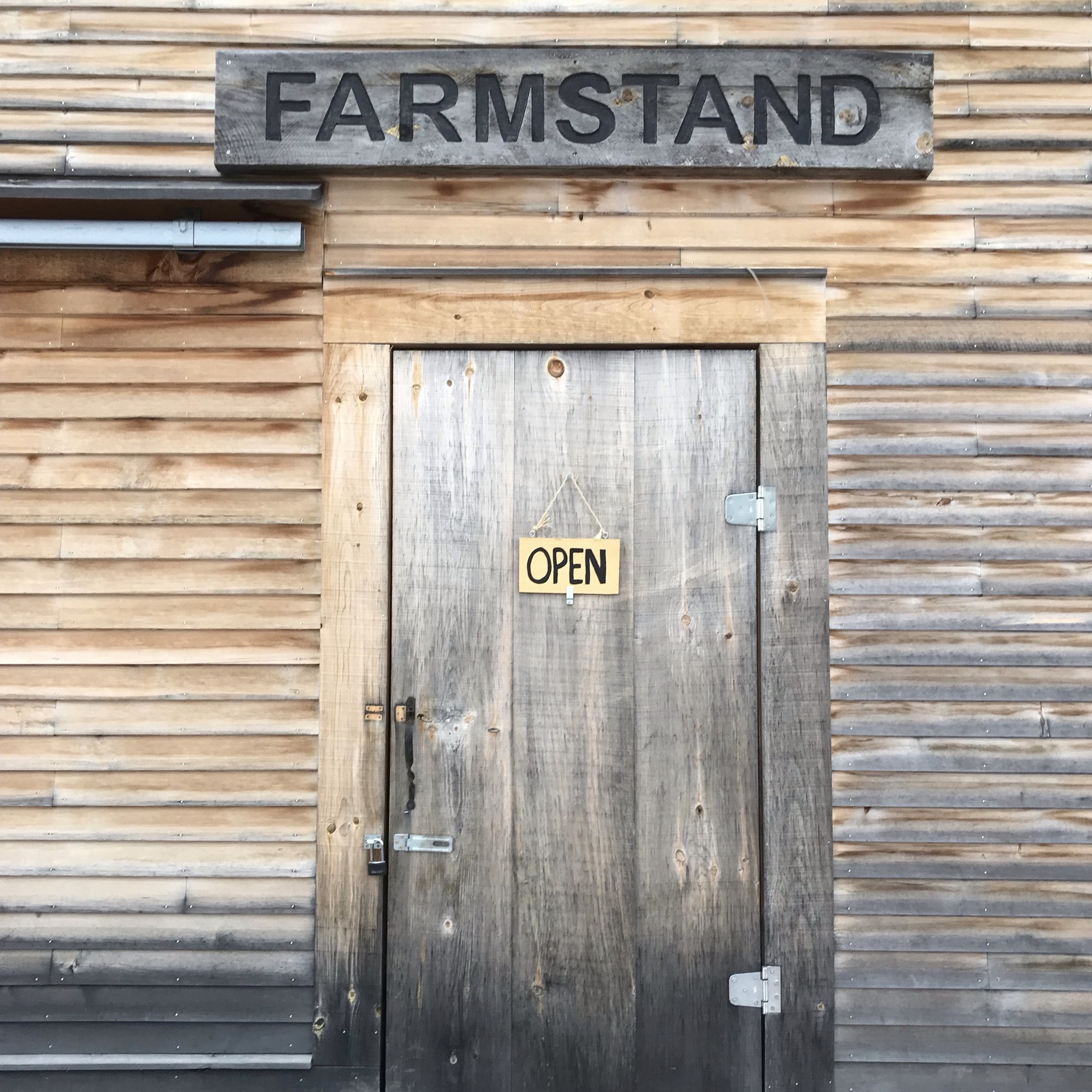
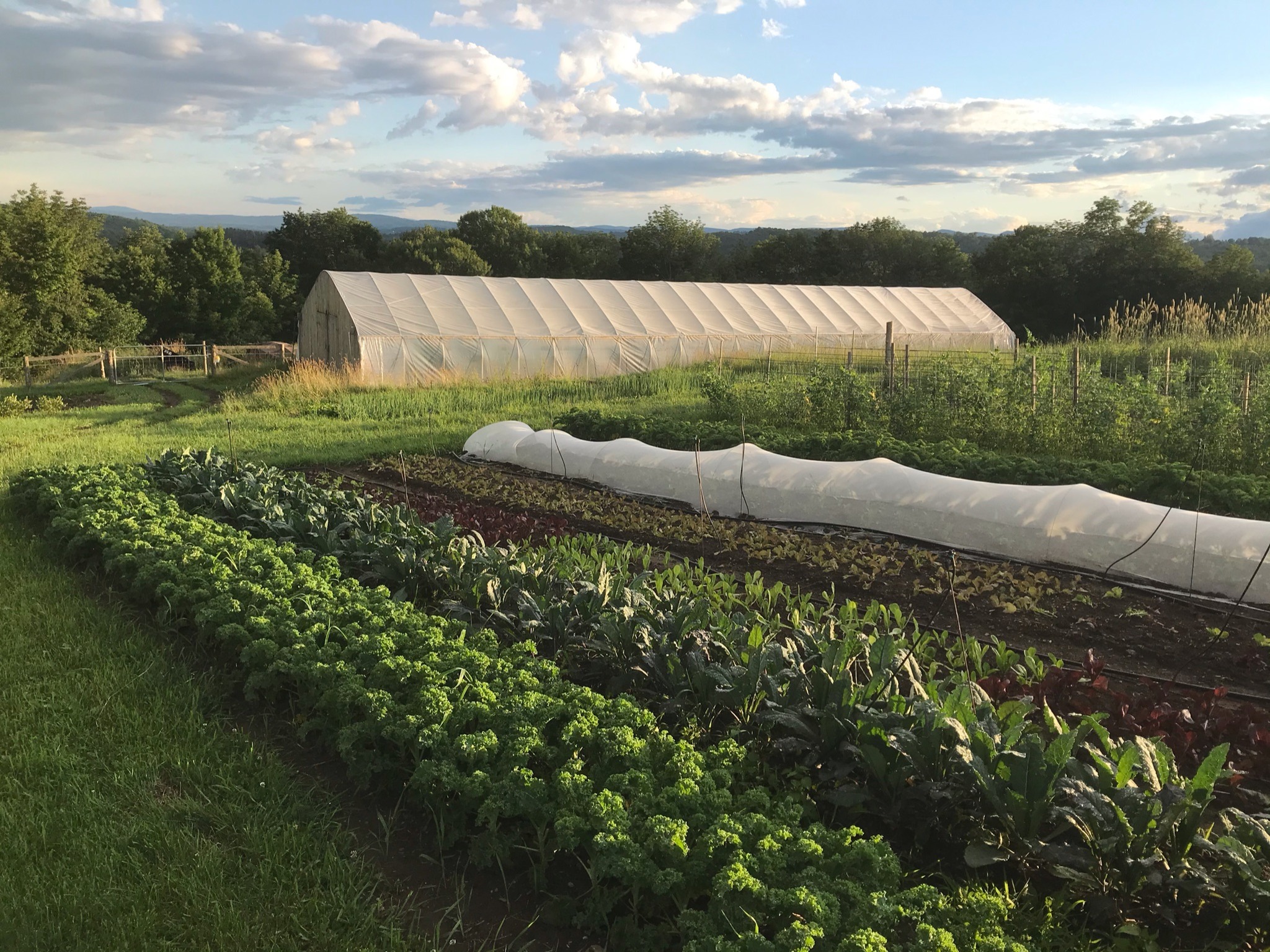
Since beginning to farm this land in 2019, they have built a small energy efficient house, a chicken coop and a sugar shack, dug a pond, created gardens, planted berry bushes and more apple trees, and thinned the sugarbush. With the help of the Vermont State Conservation Grant, they began rehabbing an 1800s barn that is the only remaining structure of the original farm. In their third year, they launched a CSA, opened a farmstand, made and sold maple syrup, erected a hoop house, built a greenhouse and guest space. This small family farm is committed to working with nature to feed their neighbors and care for the land that sustains us all, with sustainability, resilience, and community at the center of how they farm.
The story of Firefly Farm at Burke Hollow began around the turn of the millennium when the farming family was expecting their first child and thinking passionately about how they wanted to nourish him. They planted their first garden, shopped at the co-op, and began working with whole foods: baking their own breads, tortillas, canning jams, and freezing small harvests. After an unexpected move to the coast of Maine, they took advantage of the climate and began growing a lot of their own food, raising hens, and dreaming about a farm of their own where they might grow enough food to sustain themselves.
Their dream included a farm with an old barn still standing, a place to build a tiny net zero home, many vegetable gardens, a farm stand, a mature apple orchard and sugarbush, a pond, a cleared pasture, at least 25 acres, and it had to be in a cool town in Vermont. As a family of four, they had become very connected to their community in Maine and suspected they would not return to their home state until many years later when the kids were grown. But one night at the kitchen table, in a moment of political frustration, they peeked at the real estate listings and there was their farm, all of it, waiting for them.
Since beginning to farm this land in 2019, they have built a small energy efficient house, a chicken coop and a sugar shack, dug a pond, created gardens, planted berry bushes and more apple trees, and thinned the sugarbush. With the help of the Vermont State Conservation Grant, they began rehabbing an 1800s barn that is the only remaining structure of the original farm. In their third year, they launched a CSA, opened a farmstand, made and sold maple syrup, erected a hoop house, built a greenhouse and guest space. This small family farm is committed to working with nature to feed their neighbors and care for the land that sustains us all, with sustainability, resilience, and community at the center of how they farm.
Type of Foods Inside
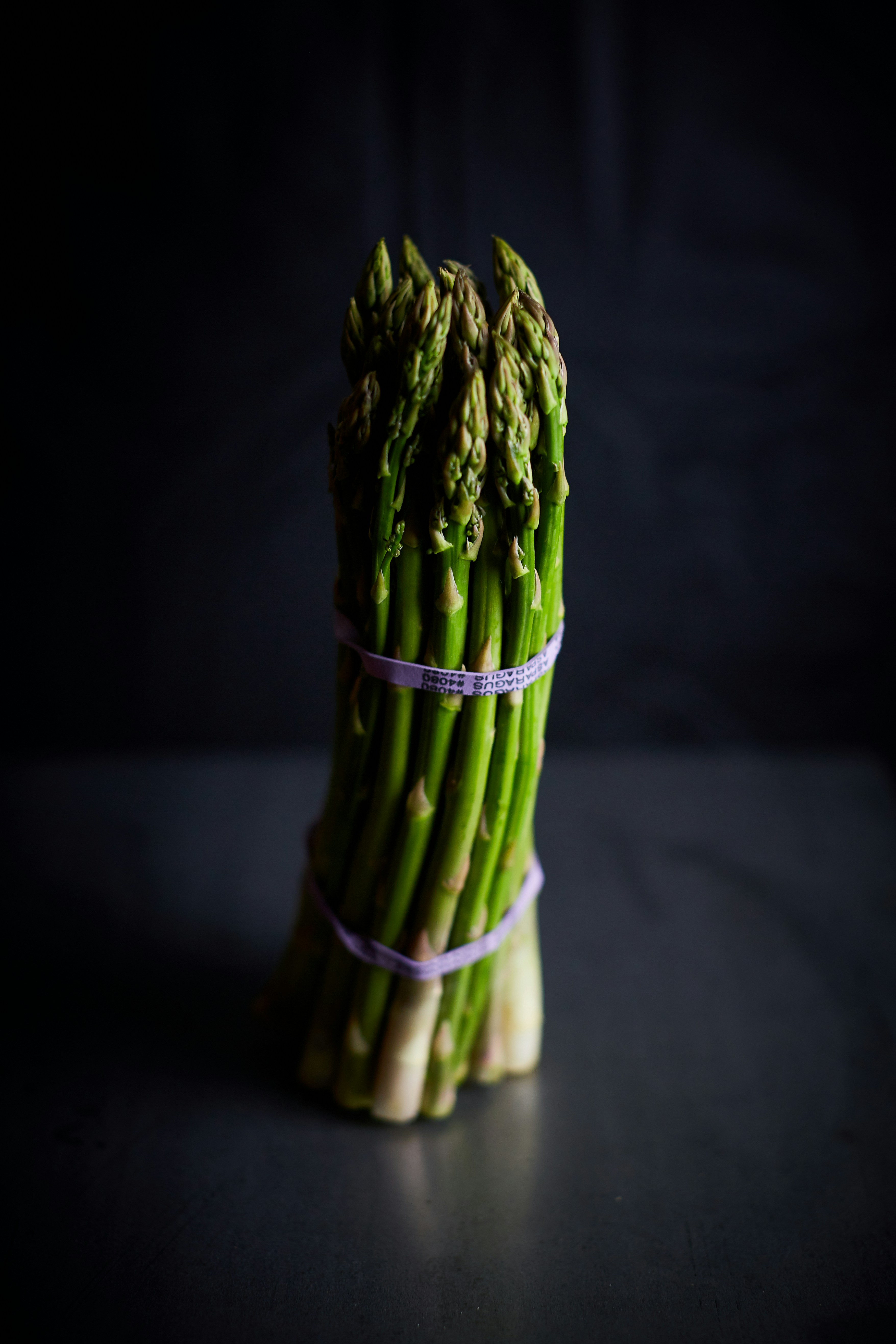
Vegetables
- Broccoli
- Vegetables (variety)
Fruit
- Apples
- Fruits (variety)
Eggs
- Eggs
Pantry/Other
- Maple syrup
- Black bean burgers (grill-able)
- Vegan pesto
- Garlic scape hummus
- Tomato sauce
- Herbs (variety)
- Coffee (add-on)
- Cheese (add-on)
- Milk (add-on)
Vegetables
- Broccoli
- Vegetables (variety)
Fruit
- Apples
- Fruits (variety)
Eggs
- Eggs
Pantry/Other
- Maple syrup
- Black bean burgers (grill-able)
- Vegan pesto
- Garlic scape hummus
- Tomato sauce
- Herbs (variety)
- Coffee (add-on)
- Cheese (add-on)
- Milk (add-on)
Photo gallery
Contact Details


Products


Producers