
Meat & Seafood
From Farm to Table
Discover the nutritional value of real food and the farming practices behind it.
Beef

Beauty
Think of beef as beauty nutrition from the inside out. Its high-quality protein fuels keratin production for strong hair and nails, while key amino acids—such as proline and lysine—are building blocks for collagen, the structural protein that helps skin feel firm and smooth. Zinc supports a resilient skin barrier and healthy wound healing, and selenium, together with carnosine, helps defend against oxidative stress that can dull skin’s appearance. Iron aids oxygen delivery to tissues, contributing to a healthy, vibrant-looking complexion. B vitamins further support cellular turnover, helping skin look refreshed and energized.
Culinary Uses
Beef’s versatility is unmatched in the kitchen. Quick-cooking steaks like ribeye, strip, sirloin, and tenderloin shine with a hot sear, simple seasoning, and a few minutes of rest. Flank and skirt steaks love a brief marinade and high-heat grilling, then benefit from slicing thinly against the grain. Tougher, flavor-packed cuts—chuck, brisket, short ribs, and shank—become meltingly tender with low-and-slow braising in stock, tomatoes, or red wine. Ground beef is a weeknight hero for burgers, tacos, meatballs, chili, and Bolognese. Classic pairings include rosemary, thyme, garlic, and black pepper; umami boosters like mushrooms, tomato paste, soy sauce, miso, or Worcestershire; and bright accents such as red wine, balsamic, or sherry vinegar. Serve with roasted potatoes, polenta, buttered noodles, or rice, and finish with bold companions like chimichurri, salsa verde, mustard, or horseradish for a memorable, deeply satisfying plate.
Health
Beef is a naturally nutrient-dense source of complete protein, delivering all the essential amino acids your body needs to build and repair muscle, support enzymes and hormones, and keep you satisfied. It’s rich in heme iron—the form your body absorbs most efficiently—to support healthy red blood cell formation and oxygen transport. Beef also provides vitamin B12 and other B vitamins (like B6 and niacin) that help turn food into energy and support brain and nerve function. Zinc in beef supports immune health and cell repair, while selenium contributes to antioxidant defenses. You’ll also find naturally occurring compounds like creatine and carnosine that support muscular performance and resilience, along with choline for cognitive and liver health.
Holistic
Across cultures and generations, beef has been prized as a food of strength and sustenance. Traditional kitchens leaned on slow-simmered stews and braises—often using shanks and marrow bones—to create deeply nourishing meals during colder months or times of recovery. In East Asian traditions, beef is often considered warming and fortifying, a food that restores vitality. The nose-to-tail approach—enjoying everything from richly marbled cuts to connective tissue in long-cooked dishes—reflects a time-honored belief in whole-animal nourishment and the grounding, steady energy that comes from a satisfying, protein-rich meal.
Bison

Beauty
Think of bison as beauty nutrition in a skillet. Its complete protein supplies the amino acids your body uses to make collagen and keratin—foundational for supple skin, resilient hair, and strong nails. Iron supports healthy circulation, delivering oxygen to your skin and scalp for a natural, lively glow. Zinc contributes to a well-functioning skin barrier and balanced oil production, while B‑vitamins assist with smooth cell turnover. Selenium helps defend against everyday oxidative stress, supporting a calm, even‑looking complexion from the inside out.
Culinary Uses
Bison’s clean, slightly sweet flavor shines with simple techniques and thoughtful pairings. For steaks (ribeye, strip, sirloin), sear hot and enjoy medium‑rare to medium so they stay tender and juicy. Ground bison swaps seamlessly for beef in burgers, meatballs, tacos, chili, and Bolognese. Tougher cuts—chuck roast, brisket, short ribs—love low‑and‑slow braising until fork‑tender. Because it’s lean, a touch of fat (butter, olive oil, or tallow) enhances richness. Pair with mushrooms, caramelized onions, roasted root vegetables, or winter squash; accent with rosemary, thyme, sage, black pepper, garlic, or juniper. For bolder profiles, try ancho chili, cumin, cocoa, or a splash of coffee or red wine reduction. Finish with a bright note—herb chimichurri, berry compote (cranberry, chokecherry), or a squeeze of citrus—and let the meat’s natural character take center stage.
Health
Bison is naturally lean and densely nourishing, delivering high‑quality complete protein to help your body build and repair muscle while keeping you satisfied. It’s an excellent source of heme iron—the form your body absorbs efficiently—supporting oxygen transport and steady energy. You’ll also find vitamin B12, B6, and niacin, the B‑vitamins that power metabolism and support a healthy nervous system. Bison provides zinc for immune function and tissue repair, plus selenium, an antioxidant partner that helps protect cells. Because it’s typically lower in total fat than many beef cuts, you get robust protein and key micronutrients in every flavorful bite.
Holistic
For generations, bison has been a cornerstone of nourishment across the North American Plains—valued by Indigenous communities for its completeness, from savory roasts to mineral‑rich broths made from bones. This nose‑to‑tail tradition reflects a holistic respect for the animal and the land it grazes. Today, choosing bison reconnects us with that lineage of intentional eating: simple, elemental, deeply satisfying food that emphasizes nutrient density, seasonal cooking, and a mindful appreciation of where our meals come from.
Chicken

Beauty
Beauty begins with building blocks, and chicken provides them in spades. Its high-quality protein supplies the amino acids that form keratin for strong hair and nails, and collagen—the scaffolding that keeps skin firm, supple, and resilient. Niacin (B3) and B6 help maintain a healthy skin barrier and smooth cell turnover, while selenium acts as an antioxidant ally against daily oxidative stress that can dull and fatigue the complexion. Naturally present zinc and B12 support healthy skin repair and a nourished scalp. If you enjoy the skin occasionally or simmer the bones into stock, you’ll capture collagen-rich peptides like glycine and proline—nutrients prized for supporting skin elasticity and comfortable, well-lubricated joints from the inside out.
Culinary Uses
Chicken is a culinary chameleon—equally at home in fast weeknights and special Sunday suppers. Roast a whole bird or spatchcock it with lemon, garlic, and thyme; save the bones for a deeply savory stock. Sear and braise thighs with tomatoes, olives, and rosemary, or go bright with ginger, soy, and a touch of honey. Grill or poach breasts for salads, grain bowls, and sandwiches; marinate in yogurt, citrus, or miso for tenderness and lift. Wings love high heat and bold spices—think chili-lime, smoky paprika, or garlic and black pepper. Favorite flavor partners include rosemary, oregano, cumin, coriander, turmeric, paprika, mustard, capers, mushrooms, citrus, and fresh greens. Turn leftovers into tacos, curries, fried rice, or a comforting soup—proof that chicken’s best trick might be tasting even better the next day.
Health
Chicken is a lean, complete-protein cornerstone—rich in the essential amino acids your body uses to build and repair muscle, support immune proteins, and keep you feeling satisfied between meals. It’s naturally abundant in B vitamins, especially niacin (B3) and B6, which help cells turn food into steady energy and support a healthy nervous system. Selenium and phosphorus contribute to antioxidant defenses, thyroid function, and strong bones and teeth, while choline supports brain and liver health. You’ll also find tryptophan, an amino acid your body uses to make serotonin and melatonin—key players in mood and sleep rhythms. With its gentle flavor and adaptable fat profile (especially when enjoyed skinless), chicken fits beautifully into wellness-minded eating without feeling restrictive.
Holistic
Across cultures, chicken is the language of comfort—simple, warming, and deeply restorative. From golden roast chickens to gently simmered soups, it’s long been offered to those seeking strength after exertion or during recovery. The ritual itself is grounding: seasoning, searing, slow-roasting, or simmering until the kitchen fills with a savory, welcoming aroma that gathers people to the table. When cooked into broth with herbs and vegetables, chicken releases minerals and soothing amino acids into a clear, flavorful elixir—food that nourishes body and spirit alike. It’s everyday nourishment elevated by tradition: humble ingredients transformed into care.
Clams

Beauty
Beauty begins with nourishment, and clams deliver it where it counts. Zinc supports skin repair and balanced oil production; selenium partners with vitamin E in your body to shield delicate skin lipids from oxidative stress; and copper quietly aids collagen cross‑linking—think firmness and bounce. Omega‑3s help calm visible redness and promote a supple, well‑hydrated barrier, while high-quality protein supplies the amino acids used to build keratin for strong hair and nails. With B vitamins that encourage healthy cell turnover, a clam‑centered meal can leave your complexion looking refreshed and your hair supported from within.
Culinary Uses
Clams are wonderfully versatile. Enjoy them raw on the half shell with lemon, or steam with garlic, chile, and white wine until they just open—toss the juices with pasta for a classic alle vongole. They love butter, olive oil, parsley, basil, lemon zest, and a whisper of heat. Fold chopped clams into chowders with potato, corn, and smoky bacon; spoon them over rice with tomatoes and saffron; or wok‑toss with ginger, scallion, and black bean sauce. Save the briny cooking liquid—it’s pure flavor for risottos and pan sauces. Formats abound: in‑shell for steaming and grilling, freshly shucked for quick sautés, and high‑quality canned clams for dips, pizzas, and weeknight pastas. Pro tip: give live clams a brief soak in salted water to coax out sand, and cook just until the shells open for tender, sweet bites.
Health
Clams are the sea’s compact multivitamin: a lean, high-quality protein naturally rich in vitamin B12 (for energy metabolism and nervous-system function), readily absorbed iron (for oxygen transport), marine omega‑3s, and a spectrum of minerals including selenium, zinc, iodine, and copper. This nutrient profile supports healthy blood, thyroid harmony, and a resilient immune system while delivering the omega‑3 fats that help keep heart and brain function on course. Clams also provide choline and the amino acid taurine—compounds common in shellfish that support cell-membrane integrity and fluid balance. With satisfying protein and very little saturated fat, clams offer deep nourishment in a light, clean package.
Holistic
Across coastal cultures, clams have long been prized as fortifying, ocean‑clean nourishment—simple to cook, deeply satisfying, and a symbol of convivial tables. From Italian vongole to Japanese asari soups and New England chowders, they’re a traditional choice when comfort and vitality are desired. Holistically, they offer what seasoned cooks value most: mineral‑rich broth (the briny “liquor”) that feels restorative, gentle protein that sits easily, and a calming ritual in the steaming, ladling, and savoring. It’s elemental food that brings you back to center.
Goat

Beauty
Beauty begins with nourishment, and goat delivers the building blocks your skin and hair crave. High-quality protein supplies amino acids that your body uses to make keratin for strong hair and to support the collagen matrix that keeps skin supple. Heme iron helps oxygenate skin from within for a healthy-looking glow, while zinc supports clear skin and efficient wound healing—key for a smooth, resilient complexion. Selenium teams with your body’s antioxidants to help defend against everyday oxidative stress from sun and pollution. When slow-cooked, collagen-rich cuts melt into silky gelatin, offering natural collagen peptides that complement a skin-supportive diet from the inside out.
Culinary Uses
Think of goat as the elegant, lean cousin of lamb—deeply savory and remarkably adaptable. • Best cuts for slow cooking: shoulder, leg, and shank shine in low-and-slow braises, stews, and tagines. Sear until browned, then simmer gently with aromatics and liquid (stock, tomatoes, coconut milk, or a splash of wine) until fork-tender. • Quick-cook options: loin or rib chops from young animals take beautifully to a hot grill or cast-iron sear; rest and finish with lemon and herbs. • Ground goat: swap it into keema-style sautés, meatballs, or burgers for a juicy, lean alternative. • Flavor pairings: garlic, onion, ginger, and chiles; warm spices like cumin, coriander, allspice, turmeric, cinnamon, and clove; herbs such as thyme, rosemary, bay, and oregano. Brighten with citrus or vinegar; tenderize and perfume with yogurt, lime, or spice-forward marinades. • Global inspirations: Jamaican curry goat simmered with Scotch bonnets; Indian-style goat curries with garam masala; Moroccan tagines with apricot and almond; Mexican birria folded into tacos with a squeeze of lime. • Make it go further: shred leftover braise into grain bowls, stuffed pitas, or hearty soups; save the bones for a rich, aromatic stock. With patient heat and bold aromatics, goat rewards you with layered flavor and melt-in-the-mouth tenderness.
Health
Goat is naturally lean, protein-rich, and packed with micronutrients that support everyday vitality. A serving delivers complete protein with all essential amino acids to help build and repair muscle, keep you satisfied between meals, and steady energy. As a red meat, it provides heme iron—the most readily absorbed form—which supports healthy red blood cell formation and oxygen transport, helping combat that midafternoon slump. You’ll also find vitamin B12 for nerve health and metabolism, niacin and riboflavin for efficient energy release from food, and important minerals like zinc (immune function and tissue repair) and selenium (antioxidant protection). Compared to many other red meats, goat is typically lower in total and saturated fat while still offering deep, savory flavor—an elegant way to enjoy nutrient-dense protein without heaviness.
Holistic
Goat has nourished families for millennia—from the Mediterranean and Middle East to Africa, the Caribbean, and South Asia—valued for its clean, satisfying richness and versatility. Traditional kitchens often turned to slow braises and broths, not just for comfort, but because gentle cooking coaxes minerals and collagen from bone and connective tissue into the dish, creating a restorative, deeply flavorful meal. Culturally, goat is celebratory yet grounding: generous with protein, balanced with aromatic herbs and spices, and served in communal dishes that bring people together. It’s a timeless, nose-to-tail way of eating that emphasizes thrift, flavor, and nutrient density in equal measure.
Lamb

Beauty
Beauty begins with the building blocks: lamb’s complete protein supplies the amino acids your body uses to make collagen and keratin—the structural proteins behind smooth skin, strong hair, and resilient nails. Heme iron and vitamin B12 support healthy circulation, helping deliver that well-rested, rosy look from within. Zinc contributes to clear, balanced-looking skin and supports normal wound healing, while selenium partners with antioxidant enzymes to help defend against the oxidative stress linked with visible aging. Lamb also naturally contains carnosine and coenzyme Q10, cellular antioxidants that help maintain skin’s bounce and overall vitality. The gentle marbling in lamb adds satisfaction to meals and aids absorption of fat-soluble vitamins from the rest of your plate.
Culinary Uses
Lamb is wonderfully versatile in the kitchen. Grill or pan-sear chops to a tender medium-rare or medium with garlic and rosemary; roast a leg with lemon and oregano; braise shanks low and slow until the meat slips from the bone. Ground lamb shines in kofta, meatballs, burgers, or a richly spiced ragu. It loves bold company: mint, parsley, dill, thyme, and oregano; cumin, coriander, cinnamon, sumac, and harissa; lemon, yogurt, tomatoes, eggplant, olives, and chickpeas. A yogurt, garlic, and lemon marinade tenderizes beautifully; a bright mint salsa verde or tangy tzatziki adds lift. Pair with couscous, bulgur, roasted potatoes, or charred greens, and let the savory-sweet character of lamb take center stage.
Health
Lamb is a nutrient-dense protein that delivers a remarkable package of essentials your body can put to work. A 3-ounce cooked serving provides about 23 grams of complete protein to build and maintain lean muscle, support satiety, and steady your energy. It’s an excellent source of vitamin B12, heme iron, zinc, and selenium—nutrients that help form healthy red blood cells, carry oxygen, support immune defenses, and power antioxidant enzymes. You’ll also find niacin and phosphorus for cellular energy and bone health, along with naturally occurring creatine and carnosine that support muscle performance and recovery. Because lamb’s iron is heme-based, it’s absorbed more readily than plant iron, making it a smart choice for those mindful of iron status. Choose lean cuts like leg, loin, and sirloin for a high protein-to-fat ratio without sacrificing flavor.
Holistic
Across centuries and continents, lamb has been treasured as a food of strength, warmth, and celebration. Shepherding cultures from the Mediterranean to the Middle East have long turned to slow-cooked lamb stews and roasts as nourishing centerpieces for family and festive gatherings. In traditional Chinese medicine, lamb is regarded as a warming meat that supports yang, especially welcome in colder seasons. In Ayurveda, it is viewed as heating and grounding—used in moderation to bolster vitality when the body feels depleted. Whether shared at holidays or simmered into restorative broths, lamb has held an enduring place in rituals of hospitality and renewal.
Mussels
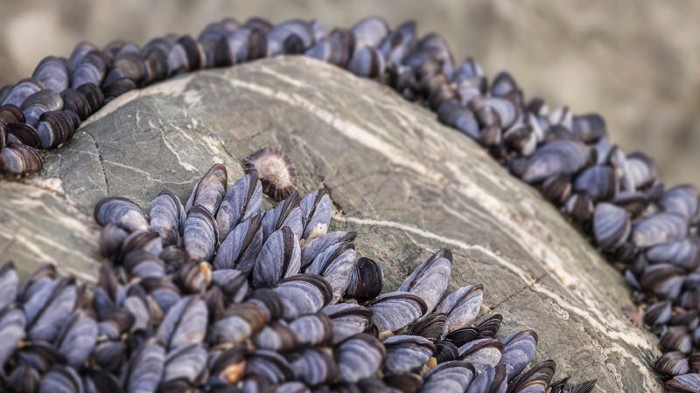
Beauty
The same nutrients that power your body also elevate how you look. Omega-3s fortify the skin's barrier, helping it stay supple, calm, and hydrated, while high-quality protein supplies the amino acids your body uses to make collagen and keratin for smoother skin, stronger hair, and resilient nails. Selenium acts as an antioxidant shield against everyday environmental stressors, and zinc supports clear-looking skin and efficient wound repair. Iron and B vitamins promote healthy circulation and cell turnover, lending a natural, lit-from-within glow. Make mussels a regular guest at the table, and you feed the foundations of radiance from the inside out.
Culinary Uses
Mussels are kitchen magic: they cook in minutes and turn pantry staples into a feast. Steam them with garlic, shallots, parsley, and white wine for a classic pot, or simmer in coconut milk with ginger, lemongrass, and lime for a fragrant curry. They shine in tomato-saffron broths, cioppino, paella, and over twirled pasta with olive oil, chili, and lemon zest. Try them grilled with herb butter, baked under garlicky breadcrumbs, or chilled in a zesty vinaigrette. Smoked or canned mussels add briny depth to salads, grain bowls, and tapas boards. Favorite pairings include fennel, leeks, tomatoes, paprika, saffron, thyme, tarragon, parsley, citrus, cream, white wine, beer, and crusty bread to catch every drop of the savory broth.
Health
Mussels are a compact package of complete, lean protein and long-chain omega-3s (EPA and DHA) that support heart and brain health. A single serving delivers abundant vitamin B12 for healthy nerves and red blood cells, plus iron for oxygen transport and steady energy. They are naturally rich in selenium and iodine, essential for thyroid function and cellular antioxidant defenses, and provide zinc to bolster immune function and enzyme activity. Choline contributes to brain and liver health. All of this comes with few calories and very little saturated fat, so you get exceptional nutrient density per bite. In practical terms: mussels help you build and repair tissue, maintain a healthy inflammatory balance, and nourish the systems that keep you sharp, resilient, and energized.
Holistic
For centuries, coastal cultures have gathered around steaming bowls of mussels - simple, nourishing food that brings people together. This unfussy shellfish epitomizes the spirit of traditional seafood-rich eating patterns, including the celebrated Mediterranean approach associated with vibrant, heart-healthy living. Beyond personal wellbeing, mussels align with mindful sourcing: they are often farmed in ways that require no added feed and have a light environmental footprint, making them a thoughtful choice for the planet as well as the plate. In short, mussels marry nourishment, tradition, and stewardship - food that feels as good as it tastes.
Oysters

Beauty
Think of oysters as a trace-mineral treasure for your glow. Zinc helps maintain a strong skin barrier and balanced oil production, key for clear, resilient skin. Copper partners with your body’s enzymes to build and cross-link collagen and elastin—the scaffolding that keeps skin firm and supple—and also supports natural hair pigmentation. Selenium teams up with other antioxidants to help defend skin from everyday oxidative stress, while omega-3s contribute to a calm, hydrated look by supporting the lipids that keep skin smooth and comfortable. The combination of iron and B vitamins supports healthy circulation for that fresh, well-rested appearance, and the high-quality protein supplies amino acids your body uses to make keratin for strong hair and nails. Elegant on the plate, oysters quietly deliver the very micronutrients beauty routines often chase.
Culinary Uses
Serve them simply and let the sea speak. On the half shell over crushed ice with lemon, a classic mignonette (shallots, vinegar, cracked pepper), or a whisper of hot sauce is timeless. For heat, try grilled oysters with garlic-herb butter, broiled under parmesan breadcrumbs, or the bistro favorite Rockefeller with spinach and herbs. They shine in chowders and stews, folded into creamy pastas, or fried until just crisp for po’ boys with tangy slaw. Tinned smoked oysters make a luxe pantry staple—toss with warm potatoes and parsley, or nestle onto buttered toast with a squeeze of lemon. Beautiful pairings include citrus, cucumber, green apple, dill, chive, parsley, nori, sesame, miso, bacon, and browned butter. Match their briny snap with crisp whites like Muscadet or Chablis, or simply chill them well and enjoy their clean, mineral finish.
Health
Oysters are small but mighty: a naturally lean protein packed with the minerals and omega-3s your body runs on. They’re famously rich in zinc—just a modest serving can deliver more than a day’s worth—to support immune function, wound healing, and normal taste and smell. Vitamin B12 comes in abundance too, helping form red blood cells and keep your nerves and brain functioning at their best. You’ll also get meaningful selenium (for antioxidant defense via glutathione enzymes) and copper (for energy production and connective tissue health), plus highly bioavailable heme iron to carry oxygen and combat fatigue. Their omega-3s (EPA and DHA) support heart health and a calm, balanced inflammatory response. Add a touch of iodine for thyroid support, and you have a nutrient-dense, low-calorie food that nourishes from many angles—protein for satiety and repair, minerals for metabolism, and marine fats for whole-body wellness.
Holistic
For centuries, coastal cultures have prized oysters as symbols of vitality and plenty. Ancient Romans cultivated them, Victorian oyster houses made them fashionable fare, and they’ve long been associated with celebration and romance. Beyond lore, oysters embody a mindful connection to place: they concentrate the sea’s nutrients into something exquisitely simple and nourishing. Modern regenerative aquaculture adds another dimension—oysters are filter feeders that can help clarify coastal waters and support thriving marine ecosystems. Choosing oysters can feel like an act of alignment: honoring tradition, eating with the seasons and the tides, and enjoying a pure, mineral-rich food that has sustained communities for generations.
Pork

Beauty
Beauty starts with nourishment, and pork brings the raw materials your skin and hair crave. Its complete protein supplies the amino acids your body uses to build keratin (for strong hair) and collagen (for supple skin). Zinc supports a resilient skin barrier and healthy scalp, while selenium helps defend cells against everyday oxidative stress that can dull your glow. B vitamins, especially B6 and B12, support healthy circulation and cell turnover, and heme iron helps deliver oxygen—so skin looks vibrant, not tired. The natural fats in pork also help your body absorb fat-soluble vitamins A, D, E, and K when they’re in the same meal, amplifying your skin- and hair-loving nutrients. Slow-simmered preparations made with pork bones or skin yield silky, gelatin-rich broths that provide collagen-building amino acids—an old-school, kitchen-first way to support beauty from the inside out.
Culinary Uses
Versatile by nature, pork shines in both quick weeknight dishes and leisurely weekend cooking. Choose tenderloin, chops, or cutlets for speedy searing, grilling, or stir-frying; cook whole cuts to 145°F and let rest 3 minutes for juicy results. For low-and-slow comfort, turn to shoulder (butt) for pull-apart roasts and tacos, ribs for gentle smoking or braising, and belly for crispy, caramelized edges. Ground pork brings plush richness to dumplings, meatballs, sauces, and burgers. Classic pairings flatter pork’s natural sweetness: apples, pears, citrus, stone fruit; mustard, honey, maple; garlic, onion, fennel, caraway, cumin, coriander; sage, rosemary, thyme, bay; soy sauce, miso, ginger, scallion, and chili; a splash of wine, cider, or beer. For effortless excellence, try a simple marinade of salt, black pepper, crushed garlic, rosemary, olive oil, and lemon zest—or go soy, ginger, sesame oil, and a touch of brown sugar. Pat dry for a great sear, finish gently in the oven, and let it rest. Serve with roasted roots, leafy greens, creamy polenta, or a tangy slaw—and don’t forget a bright chutney or quick pan sauce to bring it all together.
Health
Pork is a powerhouse of complete, high-quality protein—about 22–26 grams per 3-ounce cooked serving—to help build and repair muscle, support a healthy metabolism, and keep you satisfied. It’s notably rich in thiamin (vitamin B1), a vitamin your body relies on to turn food into steady energy and to support normal nerve function. You’ll also get vitamins B6 and B12 for red blood cell formation and cognitive support, plus niacin for efficient energy metabolism. Mineral-wise, pork provides selenium, a key partner in antioxidant enzymes, zinc for immune function and tissue repair, and well-absorbed heme iron to carry oxygen throughout the body. There’s also naturally occurring choline to support healthy brain and liver function. Lean cuts like tenderloin and loin chops deliver these nutrients with a lighter profile, making pork a smart, satisfying centerpiece for balanced meals.
Holistic
Across cultures and centuries, pork has been prized for comfort, celebration, and true nose-to-tail nourishment. From weekend roasts that bring everyone to the table to slow-simmered soups that restore and satisfy, it’s a food that grounds a meal with deep, savory calm. Traditional cooks value using the whole animal—bones, skin, and trimmings enriching stocks and sauces—an approach that’s both respectful and resourceful. Holistically, pork offers more than nutrients; it offers a feeling of completeness: the warmth of a braise on a cool evening, the conviviality of a shared platter, the quiet contentment of a well-fed family. It’s everyday sustenance elevated by care, craft, and community.
Scallops

Beauty
Beauty begins with building blocks, and scallops bring them. Their complete protein supplies essential amino acids your body uses to maintain firm skin, resilient hair, and stronger nails. Selenium acts behind the scenes to help defend skin lipids from oxidative stress, while zinc supports healthy skin turnover and the integrity of hair follicles. The naturally occurring omega‑3s help reinforce the skin’s moisture barrier, lending a calmer, more supple look. Choline supports the structure of cell membranes—think smoother, more resilient skin at the microscopic level. The result is quiet, everyday support for a clear, luminous complexion and a polished, healthy appearance.
Culinary Uses
Scallops shine when treated simply. Pat dry and sear in a ripping-hot pan with a neutral oil, finishing with butter, lemon, and herbs—90 seconds a side delivers a golden crust and a just-set, silky center. They’re gorgeous with bright accents (citrus, capers, chive, parsley), sweet partners (corn, peas, caramelized shallots), and savory depth (brown butter, miso, soy, pancetta). Serve over cauliflower purée, a pea risotto, or twirl into lemony linguine. For raw preparations, choose top-quality scallops and slice into crudo or sashimi with good olive oil, sea salt, and a squeeze of lemon. They also grill beautifully on skewers, enrich chowders, or bake gratiné in the classic Coquilles Saint‑Jacques. Keep the heat high, the cook time short, and let their natural sweetness lead.
Health
Scallops deliver clean, high-quality protein with very little fat—an easy way to nourish muscles, support satiety, and keep calories in check. They’re naturally rich in vitamin B12, which helps make red blood cells and keeps your nervous system running smoothly, and selenium, a key component of antioxidant enzymes that protect cells from everyday oxidative stress. You’ll also get phosphorus for strong bones and steady energy metabolism, plus a touch of zinc and choline for immune and cellular health. As seafood, scallops provide marine omega‑3s (EPA and DHA) in modest amounts that support heart and brain function. With potassium to help maintain normal fluid balance, scallops are a light, nutrient-dense choice that feels as good as it tastes.
Holistic
Across coastal cultures, scallops have long been a symbol of refinement and renewal—their fan-shaped shell is an emblem of pilgrimage and fresh beginnings. On the plate, they offer a sense of lightness and clarity: clean ocean sweetness, satisfying nourishment, nothing heavy or complicated. Cooks have prized them for centuries because a few pristine scallops can transform a meal into a moment—simple, focused, and deeply restorative. In a holistic sense, they embody balance: enough protein to strengthen, minerals to steady, and a flavor that invites slower eating and appreciation of the sea’s gifts.
Turkey

Beauty
Beauty starts with building blocks, and turkey provides them. Its complete protein supplies the amino acids your body uses to form collagen and keratin—the structural proteins that keep skin smooth, hair resilient, and nails strong. Niacin (B3) supports a healthy skin barrier and even tone, while B6 and B12 aid normal cell turnover for a fresh, vibrant look. Selenium and zinc act as antioxidant allies, helping to neutralize everyday oxidative stress that can dull skin and accelerate visible aging. Iron supports a natural, healthy glow by aiding oxygen delivery to skin and scalp. Together, these nutrients quietly power the polished, well-rested look you feel from the inside out.
Culinary Uses
Turkey is remarkably versatile. Roast a whole bird with sage, rosemary, thyme, garlic, and citrus for a classic centerpiece; use the pan juices for a glossy gravy. Choose tender breasts for quick weeknight roasts or cutlets; opt for thighs and drumsticks when you want deeper flavor and juiciness in braises or on the grill. Ground turkey is a canvas for everything from burgers and meatballs to chili and tacos—season with cumin, smoked paprika, chili, and oregano for bold warmth, or go bright with lemon, garlic, and parsley. It loves autumn pairings like cranberry, apple, maple, and mustard; Mediterranean notes with olive oil, oregano, and roasted peppers; and Middle Eastern accents like sumac, za’atar, and yogurt. Save the bones for stock or a silky bone broth, and fold leftover meat into soups, grain bowls, salads, or hearty sandwiches. A simple brine or yogurt marinade keeps lean cuts tender, while a brush of olive oil and a sprinkle of salt unlock turkey’s clean, savory character.
Health
Turkey is a naturally lean, high-quality protein that helps you feel satisfied, supports muscle repair, and steadies energy throughout the day. It delivers B vitamins in abundance—especially niacin (B3) and B6 for efficient metabolism, and B12 for healthy nerves and red blood cell formation. Turkey is also a valuable source of selenium, a key mineral for thyroid hormone activation and antioxidant protection, and zinc, which supports immune function. Dark meat offers more iron and zinc, while breast meat is extra-lean—both are nourishing. You will also find choline for brain and cell-membrane health, phosphorus for strong bones and ATP energy, and the essential amino acid tryptophan, a building block for serotonin and melatonin. In short: smart calories that work hard for your body.
Holistic
Long before it became a holiday icon, turkey was prized across the Americas as a nourishing centerpiece—robust, satisfying, and celebratory. Its role in communal meals speaks to a deeper tradition: protein-rich foods that ground the body and stabilize energy. Cooks have long simmered turkey bones into restorative broths, extracting gelatin and minerals for comfort during cold seasons and times of recovery. Served roasted for gatherings or slow-braised for a quiet supper, turkey carries the timeless ethos of wholesome abundance: simple ingredients, carefully prepared, bringing people together.