
Honey & Other Pantry Items
From Farm to Table
Discover the nutritional value of real food and the farming practices behind it.
Bone Broth

Beauty
Beauty starts with structure. The collagen-derived gelatin in bone broth provides the very amino acids your skin relies on to renew its own collagen network, the scaffolding that supports firmness and elasticity. A daily cup layers in protein and hydration—quiet essentials for a smooth, resilient complexion, healthy-looking hair, and strong nails. Think of it as a sippable way to feed the dermal matrix from within, helping skin appear plump and well-rested while keeping your glow supported from the inside out.
Culinary Uses
Sip it simply—steaming in a mug with a pinch of sea salt, a squeeze of lemon, or a swirl of olive oil. Use it as the backbone of soups, stews, and braises; cook grains like rice, quinoa, or farro in bone broth for deeper flavor and extra protein; whisk it into pan sauces; or reduce it to a glossy glaze for vegetables and meats. It pairs beautifully with garlic, ginger, scallions, thyme, bay, parsley, and peppercorns. Ladle it into ramen or pho‑style bowls, enrich chicken-and-vegetable soup, poach fish or chicken gently in it, or blend it into mashed potatoes and silky pureed squash. Keep some on hand and everyday cooking becomes richer, faster, and more satisfying.
Health
Bone broth is a slow-simmered, collagen-rich stock that delivers comfort and nutrition in one cup. The long cook gently releases gelatin from bones and connective tissue, providing amino acids such as glycine, proline, and hydroxyproline—the raw materials your body uses to help build and maintain joints, tendons, and the gut’s protective lining. It also supplies electrolytes and trace minerals drawn from the bones, supporting hydration and steady energy. Because it’s easy to digest yet naturally rich in protein, bone broth is an approachable way to add satisfying protein to meals, support post‑workout recovery, and nourish your body when you want something warm and light.
Holistic
For centuries, cooks have transformed humble bones into liquid gold—a whole-animal tradition that spans home kitchens and grand cuisines alike. From classic European stocks to nourishing Asian-style broths and comforting caldos throughout Latin America, bone broth has long been poured when steady, sustaining nourishment was needed. The ritual itself is restorative: a warm cup that grounds you, invites slow breathing, and carries a sense of care with every sip.
Honey
Beauty
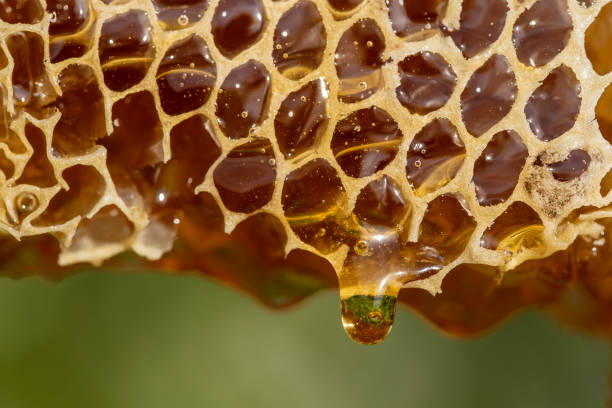
Honey is a luxurious humectant—it draws water into the skin—leaving your complexion dewy, comfortable, and plump. Its gentle, naturally occurring acids (including gluconic acid) offer a whisper-soft exfoliation that smooths texture and boosts radiance without harshness. Antioxidants in honey help defend against environmental stressors that can dull the skin’s appearance, while its calming properties make it a favorite for skin that looks easily flushed or reactive. For hair, a little honey whisked into your conditioner enhances slip, tames frizz, and imparts high‑shine gloss by sealing in moisture. Used as a short, rinse‑off mask, it can leave both scalp and strands feeling balanced, smooth, and luminous.
Culinary Uses
Think of honey as both sweetener and seasoning. Its floral complexity rounds sharp edges and ties flavors together. Drizzle it over yogurt, ricotta toast, fresh figs, or roasted stone fruit; spoon it onto breakfast bowls, pancakes, and cornbread. In savory cooking, whisk honey with lemon, Dijon, and olive oil for a balanced vinaigrette, or stir it into marinades with soy, garlic, and chili to glaze salmon, chicken, or seasonal vegetables. In baking, honey lends moisture and a burnished crust—use about 3/4 cup honey for every 1 cup sugar and reduce other liquids slightly; lower oven temperature by roughly 25°F for best color. It shines in drinks too: swirl into tea or lattes, shake into lemonade, or blend into smoothies to soften acidity. As a finishing touch, add honey at the end of cooking or to warm (not boiling) liquids to preserve its delicate aromatics and terroir-driven character.
Health
Honey is nature’s quick, clean fuel: a balanced blend of glucose and fructose that your body can use immediately for steady energy. Beyond sweetness, it carries a spectrum of protective plant compounds—flavonoids and phenolic acids—that act as antioxidants, helping to neutralize everyday oxidative stress from busy lives and workouts. When diluted, honey’s native enzyme system (including glucose oxidase) generates small amounts of hydrogen peroxide, contributing to its well-known antimicrobial character. Its natural acidity and low water activity further support this effect. A small but meaningful bonus: honey contains trace minerals and amino acids, along with prebiotic oligosaccharides that can help nourish beneficial gut bacteria. Its soothing viscosity makes it a time‑honored choice for calming the throat, while its complexity of flavor often lets you use less than refined sugar to achieve the same satisfaction.
Holistic
Across civilizations, honey has symbolized vitality and care. Ancient Egyptians prized it for ceremonial offerings and used it in balms and dressings; classical texts describe honey as a soothing, harmonizing food. In Ayurveda, honey (madhu) is celebrated as a "yogavahi"—a carrier that helps deliver and balance herbal formulas—valued for supporting throat comfort and digestive ease. Traditional kitchen pharmacopeias from the Mediterranean to Asia have long blended honey with herbs, warm water, spices, and citrus to create restorative tonics. In short, honey sits at the crossroads of nourishment and ritual—a golden thread connecting wellness practices over millennia.
Maple syrup

Beauty
Beauty starts in the pantry. The manganese in maple syrup helps activate enzymes involved in collagen formation and antioxidant defense (think of it as support for your skin’s natural scaffolding and glow). Riboflavin assists with cellular energy, which skin needs for smooth turnover, while zinc quietly supports healthy hair and nails. The syrup’s polyphenols add a layer of antioxidant support against everyday oxidative stress—one of the quiet drivers behind dullness and the look of tired skin. Fold maple into a balanced, nutrient-forward diet, and you’ve chosen a sweetener that complements your skin’s bigger wellness story.
Culinary Uses
Use maple syrup anywhere you’d add warmth and depth, not just on pancakes. Drizzle over yogurt, oatmeal, or roasted fruit; whisk into vinaigrettes with Dijon, apple cider vinegar, and olive oil; or glaze salmon, carrots, squash, Brussels sprouts, and bacon. In baking, it brings moisture and a toffee-vanilla note to granola, quick breads, and cookies; when swapping for granulated sugar, use less liquid elsewhere to keep the texture just right. Pair it with soy sauce, ginger, and chili for a lacquered stir-fry or with bourbon, coffee, or cider for cocktails and reductions. Choose the style to suit the task: Golden (delicate) for finishing and breakfast; Amber (rich) for dressings and desserts; Dark (robust) for glazing, barbecue, and coffee; Very Dark (strong) for bold baking and marinades. Classic partners include pecans, walnuts, apples, pears, cinnamon, nutmeg, mustard, miso, and butter.
Health
Pure maple syrup is more than a sweet finish—it naturally carries minerals and plant compounds from the tree. It’s notably rich in manganese, a cofactor that helps your cells make energy and activates antioxidant enzymes, and it provides riboflavin (vitamin B2), plus small amounts of zinc, potassium, and calcium. Maple syrup also contains a spectrum of polyphenols, including unique compounds formed during the boil (such as quebecol), which contribute antioxidant activity. Compared with refined table sugar, maple syrup has a lower glycemic index, leading to a gentler rise in blood sugar. In everyday terms: when you choose real maple, you’re choosing a single-ingredient sweetener that brings trace nutrients and protective plant compounds along with its caramel-woodland flavor.
Holistic
For centuries, Indigenous peoples of the Northeastern woodlands tapped maple trees each early spring, gently concentrating sap over fire into a precious seasonal sugar. That knowledge shaped a regional ritual—“sugaring season”—that still marks winter’s end and the forest’s reawakening. In many households, maple syrup carries that sense of renewal to the table: a once-a-year harvest, patiently crafted, that connects eater to tree, season to season. Enjoyed mindfully, it’s a small, everyday way to honor slow food and the landscapes that produce it.