
Vegetables
From Farm to Table
Discover the nutritional value of real food and the farming practices behind it.
Winter Squash

Beauty
Think of winter squash as a glow‑from‑within ingredient. Its beta‑carotene supports your body’s production of vitamin A, a nutrient that helps maintain smooth, resilient skin. Vitamin C works behind the scenes on collagen—your skin’s springy support structure—while naturally occurring vitamin E and carotenoids help buffer the skin against everyday environmental stressors. The high water content and soluble fiber contribute to a well‑hydrated look from the inside out. Roast the seeds and you’ll also pick up beauty‑friendly minerals like zinc, which supports normal skin renewal and healthy‑looking hair.
Culinary Uses
Versatile and forgiving, winter squash shines in both simple and special dishes. Roast cubes or halves at high heat to caramelize their natural sugars; purée into silky soups; fold into risotto, curries, and grain bowls; or mash for ravioli fillings and gnocchi. Varieties bring nuances: butternut is sweet and velvety; kabocha is dense and chestnut‑like; acorn is mild and perfect for stuffing; delicata has tender, edible skin; spaghetti squash pulls into golden strands. Classic pairings include sage, thyme, rosemary, garlic, brown butter, olive oil, maple, cinnamon, nutmeg, and ginger. It also plays beautifully with miso, coconut milk, red curry paste, harissa, and warm spices. Finish with Parmesan, feta, or goat cheese; add crunch with toasted squash seeds, pepitas, or walnuts; and brighten with lemon, pomegranate, or balsamic. From savory roasts and stews to quick breads and pies, winter squash brings color, sweetness, and comforting depth to the plate.
Health
Winter squash is a cold‑season classic that quietly delivers serious nutrition. Its deep orange flesh is rich in beta‑carotene, which your body converts to vitamin A to support clear vision and a responsive immune system. You also get vitamin C for everyday immune defense and collagen formation, plus potassium—an essential electrolyte that helps keep muscles and heartbeat working smoothly. The gentle, soluble fiber (including pectins) supports comfortable digestion, feeds beneficial gut microbes, and helps you feel satisfied after a meal. Carotenoids like beta‑carotene, lutein, and zeaxanthin act as antioxidants, helping to neutralize everyday oxidative stress. Together with B vitamins and small amounts of magnesium, winter squash offers steady, nourishing energy—perfect for cooler months when you want something hearty yet wholesome.
Holistic
Long before it was a market staple, winter squash was a pillar of nourishment across the Americas—one of the "Three Sisters" grown alongside corn and beans by Indigenous communities for balance and resilience. Its firm rind and dense, sweet flesh made it a reliable source of comfort through the colder months. Holistically, it’s considered grounding and fortifying: a food that warms, satisfies, and sustains with slow‑burning carbohydrates, gentle fiber, and carotenoid‑rich color that signals vitality. Eating with the seasons, winter squash connects the table to the harvest—nourishment you can feel and tradition you can taste.
Turnips

Beauty
Beauty begins with resilient skin, and turnips quietly contribute. Their vitamin C supports your natural collagen production—the protein that helps keep skin firm and smooth. Antioxidants typical of cruciferous vegetables help neutralize everyday oxidative stress that can dull the complexion, while the root’s high water content and potassium support healthy fluid balance for a fresh, well-hydrated look. The fiber that nourishes your microbiome also supports the gut-skin connection, which many people notice as calmer, clearer-looking skin over time. Vitamin C also assists with iron absorption from meals, a small but meaningful detail for strong, vibrant hair.
Culinary Uses
Turnips are wonderfully versatile. Slice them raw into paper-thin ribbons or matchsticks for salads and slaws; a squeeze of lemon, a drizzle of olive oil, and a pinch of salt bring out their crisp, peppery snap. Roast chunks with olive oil, salt, pepper, and thyme until the edges caramelize and the centers turn tender and sweet. Fold them into soups and stews, where they soak up aromatics from garlic, leeks, and bay. Mash or puree them on their own, or blend with potatoes for a lighter, silkier mash; finish with butter, creme fraiche, chives, and a whisper of nutmeg. For a glossy side, braise or glaze with stock and a touch of honey, maple, or mustard. They pair beautifully with carrots, parsnips, apples, pears, citrus, dill, parsley, rosemary, miso, and hard cheeses like Parmesan or Gruyere, and they stand up well alongside roast chicken, pork, or lamb. Quick-pickle thin slices in vinegar, sugar, and spices for a vibrant condiment that brightens sandwiches and grain bowls.
Health
Turnips are a crisp, low-calorie member of the cruciferous family that deliver meaningful nutrition without heaviness. The root is naturally rich in vitamin C, which supports immune function and acts as an antioxidant, and it supplies potassium for heart and muscle health. Its mix of soluble and insoluble fiber feeds beneficial gut bacteria, supports regularity, and helps keep you satisfied between meals. Like other brassicas, turnips contain glucosinolates that, when chopped and chewed, form isothiocyanates—compounds studied for supporting the body’s own antioxidant and detoxification pathways. With a high water content and a modest carbohydrate load, turnips offer steady energy and a gentle, vegetable-forward way to round out your plate.
Holistic
For centuries, turnips have been a cool-weather cornerstone from northern Europe to parts of Asia, prized for their reliability and gentle sweetness once cooked. In traditional kitchens, they are a grounding, balancing ingredient—light enough to refresh, sturdy enough to comfort. Cooks have long welcomed their slight peppery edge, believing that a touch of bitterness can wake up digestion and cut through richness at the table. A simple pot of broth with simmered turnips has been a timeless way to restore, warm, and steady the body through the cold months.
Tomatoes

Beauty
Beauty from the inside out starts with nutrients that defend skin. Tomato lycopene has been studied for its role in supporting skin’s resilience against everyday environmental stressors, helping maintain a smoother, more even look over time. Vitamin C supports natural collagen synthesis, the protein that keeps skin firm and bouncy, while tomato carotenoids lend a fresh, healthy-looking glow when enjoyed regularly. Their high water content helps keep you hydrated—an easy win for supple skin—and the gentle antioxidant mix can help calm the look of redness after routine exposure. Consider a drizzle of olive oil when you enjoy tomatoes; it doesn’t just taste luxurious, it also helps your body absorb lycopene for those glow-getting benefits.
Culinary Uses
Tomatoes shine in every form: sliced raw with sea salt and good olive oil; layered with mozzarella, basil, and balsamic for a classic caprese; or chopped into bright salsas and salads. Roasting or grilling concentrates their sweetness for pastas, grain bowls, and bruschetta. Slow-simmered sauces—marinara, pomodoro, or a rustic ragù—benefit from a gentle cook to deepen flavor and unlock lycopene; a splash of olive oil, garlic, and a pinch of oregano or chili completes the picture. Try them confit in olive oil for luxurious spoon-over-anything richness, or blend into gazpacho for a chilled summer soup. Pairings are plentiful: basil, mint, thyme, garlic, onions, fennel, citrus, vinegar, and olive oil; mozzarella, burrata, feta, ricotta, and Parmesan; anchovies, tuna, prosciutto, beans, lentils, and eggs. For a quick flavor lift, salt sliced tomatoes and let them rest briefly to draw out juices—then use those juices as a ready-made dressing.
Health
Tomatoes deliver a clean, refreshing mix of hydration, fiber, and protective plant compounds. They’re naturally rich in vitamin C to support immune function and collagen formation, along with potassium to help maintain healthy blood pressure, folate (B9) for cell renewal, and vitamin K1 for normal blood clotting and bone support. Their star antioxidant is lycopene—the red carotenoid concentrated in the flesh—which helps neutralize free radicals and supports cardiovascular wellness. Cooking tomatoes (and pairing them with a little olive oil) can make lycopene easier for the body to absorb. Tomatoes also provide modest amounts of beta-carotene, lutein, and polyphenols, adding to a broad antioxidant spectrum. The combination of water, fiber, and low calories makes them a smart, satisfying choice for everyday vitality and gentle gut support.
Holistic
From the highlands of western South America to the markets of Mexico and, later, the sun-soaked kitchens of the Mediterranean, tomatoes have long been a symbol of warmth, abundance, and comfort. In Italian sofrito, Mexican salsas, and Spanish gazpacho, cooks intuitively paired tomatoes with olive oil or other fats—an old-world practice modern nutrition now applauds for enhancing lycopene bioavailability. As a cornerstone of Mediterranean-style eating—an approach consistently associated with heart health and longevity—tomatoes bring color, brightness, and a sense of seasonal rhythm to the table. Their fragrance when sliced and their sweetness when slow-cooked offer more than flavor; they invite a feeling of nourishment, connection, and simple, everyday pleasure.
Swiss Chard

Beauty
Think of Swiss chard as an inside-out beauty ritual. Its vitamin C supports your skin’s own collagen-making machinery, helping keep skin firm and resilient. Carotenoids like lutein, zeaxanthin, and beta-carotene act as internal antioxidants, supporting the skin’s natural defenses against environmental stressors and lending that fresh, well-rested glow. The leaf’s water content helps with day-to-day hydration, while minerals such as magnesium contribute to a calm, well-functioning complexion. Iron and folate support healthy circulation—key for delivering nutrients to hair follicles—while the combination of antioxidants and gentle fiber supports a balanced inflammatory response that shows up as clearer, happier-looking skin.
Culinary Uses
Versatile and velvet-tender, Swiss chard thrives in both quick sautés and slow braises. Separate the stems from the leaves: start the chopped stems in olive oil with garlic or shallot until crisp-tender, then fold in the sliced leaves just until wilted. Finish with lemon, vinegar, or a spoon of tahini to brighten its mineral sweetness. It’s glorious with staples of the Mediterranean pantry—olive oil, citrus, garlic, chili flakes, feta or Parmesan, yogurt, and herbs like dill, parsley, or mint. Tuck it into omelets and frittatas, stir into brothy beans, chickpeas, or lentil stews, or toss with pasta, farro, or quinoa. Young leaves bring color and gentle bite to salads; the stems can be diced for soups, sautéed like celery, or quick-pickled with vinegar and a touch of honey. For a simple weeknight side, sauté chard with olive oil, garlic, and a pinch of red pepper, then shower with lemon zest and toasted pine nuts or almonds—clean, bright, and deeply satisfying.
Health
Swiss chard is a powerhouse leafy green that delivers concentrated nutrition in every silky leaf. It’s naturally rich in vitamin K for bone support, vitamin A (from beta-carotene) for vision and cellular health, and vitamin C to help your immune system and collagen production. Its minerals—magnesium and potassium especially—help muscles and nerves fire smoothly and support healthy blood pressure. Chard also provides folate for healthy cell renewal and iron to help carry oxygen, with vitamin C in the leaves helping your body use that iron more effectively. The gentle fiber in chard feeds a healthy gut microbiome and supports steady digestion, while plant antioxidants—from carotenoids to the beet-family pigments in colorful stems—help the body counter everyday oxidative stress.
Holistic
Rooted in Mediterranean tradition, Swiss chard has long been celebrated as a strengthening, everyday green—a bowl of vitality that bridges garden and table. In many old-world kitchens, its pleasantly earthy, mildly bitter taste was prized for waking up the appetite and gently supporting digestion before a meal. Healers historically reached for mineral-rich spring greens like chard as a seasonal reset, a way to feel replenished after winter. The rainbow of stems—sunset golds, ruby reds—symbolizes abundance on the plate, while the whole plant speaks to balance: sturdy stems and tender leaves, nourishment and pleasure in one generous bundle.
Summer Squash
Beauty
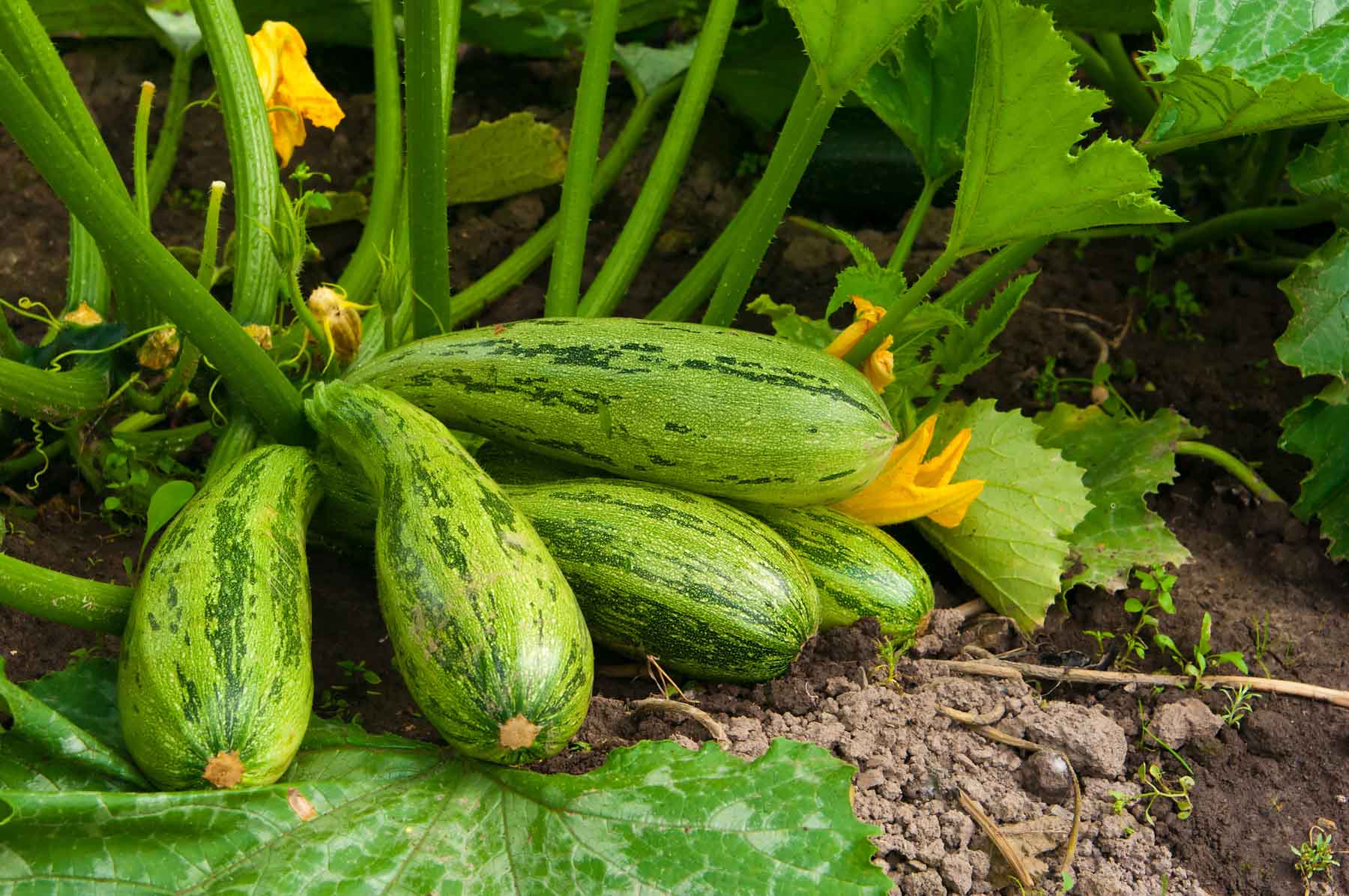
Think of summer squash as a dewy sip for your skin. Its water content supports a fresh, supple look from within, while potassium helps maintain healthy fluid balance. Vitamin C plays a starring role in collagen synthesis, the scaffolding that keeps skin firm and resilient. The naturally occurring carotenoids—especially in yellow varieties—accumulate in the skin over time and are associated with a smoother, more even-toned appearance and a healthy, sun-kissed glow. Manganese, a cofactor in collagen-related enzymes, adds quiet support for skin structure. The gentle fiber aids a well-functioning gut, which is increasingly linked to clear, calm skin. Hair and nails benefit, too: steady nourishment from vitamin C, folate, and B6 supports normal cell turnover in fast-growing tissues. Keep the tender skin on when you cook—it’s where much of the fiber and carotenoids live.
Culinary Uses
Summer squash loves quick, hot pans and bright flavors. Slice and sauté with olive oil, garlic, and lemon; grill planks or halved squash until char-marked and juicy; or shave into ribbons for a crisp salad with mint, basil, and a snowfall of Parmesan. It’s beautiful in ratatouille, frittatas, stir-fries, and brothy soups. Salt briefly to draw out surface moisture for better browning, or sear thick coins to caramelize their edges. Pairings to try: olive oil, lemon, lime, garlic, shallot, chili, basil, mint, dill, thyme, oregano; cheeses like feta, goat cheese, ricotta, Parmesan; toasted almonds, pistachios, or pine nuts; grains such as farro, quinoa, couscous; proteins from eggs and beans to fish and chicken. Spiralize into “noodles” with pesto, fold into grain bowls, or quick-pickle thin slices for a bright condiment. Don’t forget the blossoms: stuff with herbed ricotta and bake or pan-fry for a delicate, golden treat. Whenever possible, cook with the skin on for flavor, texture, and nutrients.
Health
Summer squash is light, hydrating, and quietly powerful. Its high water content helps you stay refreshed, while potassium supports healthy blood pressure and fluid balance. The tender skin and flesh deliver fiber—gentle on digestion yet helpful for regularity and a well-fed gut microbiome. Summer squash also brings vitamin C for immune support and collagen formation, plus carotenoids such as lutein and zeaxanthin, pigments known for supporting eye health. You’ll find manganese too, a trace mineral that helps your cells manage oxidative stress and contributes to normal collagen production. Low in calories and carbohydrate density, summer squash fits beautifully into balanced plates and steady-energy eating. For extra benefit, cook it with a little olive oil—dietary fats help your body absorb those fat-soluble carotenoids. Whether sautéed, steamed, or grilled, it’s an easy way to add freshness, micronutrients, and fiber to everyday meals.
Holistic
Across food traditions, summer squash has long been appreciated as the essence of the season: light, tender, and easy to digest when the weather runs warm. In the Americas, squash is one of the storied “Three Sisters” alongside corn and beans—a symbol of nourishment and smart, sustainable eating. Mediterranean kitchens prize it for its simplicity and balance, often pairing it with herbs and olive oil to create meals that feel both clean and satisfying. From a holistic lens, summer squash embodies seasonal wisdom—cooling, moist, and gentle—an ingredient that brings ease to the table and invites you to eat with the rhythms of nature. It offers comfort without heaviness, versatility without complication, and a fresh canvas for herbs, citrus, and good oil—everyday kitchen medicine in the most delicious sense.
Spinach
Beauty
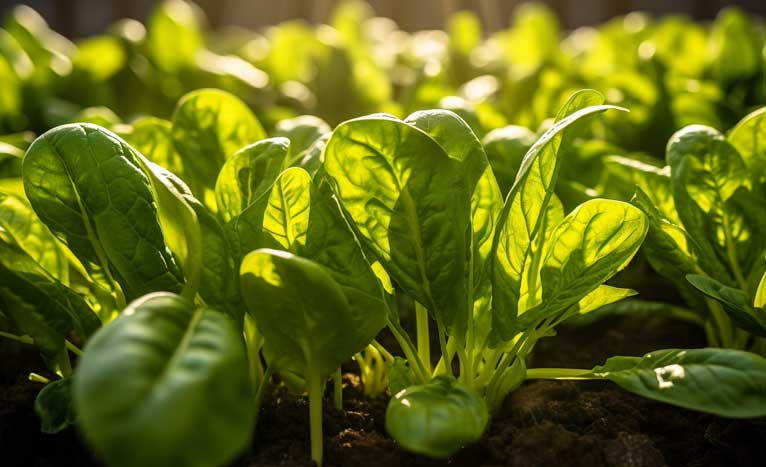
Beauty loves green. Spinach’s vitamin C supports collagen production—the scaffolding for smooth, firm skin—while beta-carotene (pro–vitamin A) encourages natural skin renewal and a healthy-looking glow. Lutein and zeaxanthin help shield skin from everyday oxidative stress, and vitamin E teams up with these carotenoids to keep your complexion looking calm and luminous. Minerals such as iron and folate support healthy circulation, delivering oxygen and nutrients to hair follicles for strong, vibrant strands. With its high water content and phytonutrient profile, spinach is the kind of daily beauty ritual you can eat: dewy, nourished skin and resilient hair from the inside out.
Culinary Uses
Spinach is wonderfully versatile—equally at home raw or cooked. Toss baby leaves into salads with lemon, olive oil, and flaky salt, or fold them into warm grains for a quick wilt. Sauté with garlic and olive oil, finish with a squeeze of lemon, and you have an instant side. Blend into smoothies for a mild, green boost; stir into eggs, pastas, and soups at the very end of cooking to preserve color and tenderness. Classic pairings include: feta or goat cheese, lemon or orange, yogurt or cream, nutmeg, garlic, mushrooms, tomatoes, chickpeas, lentils, and toasty nuts like pine nuts or walnuts. For a creamy classic, make a lightened creamed spinach with yogurt and a hint of nutmeg. For something bold, try spanakopita, palak paneer, or a half-basil, half-spinach pesto to keep sauces bright. Pro tip: add a citrusy element—lemon juice, orange segments, or a tomato salad—whenever spinach is on the plate to enhance iron absorption and lift the flavors.
Health
Spinach is a nutrient-dense green that delivers remarkable benefits in every handful. It’s rich in vitamin K for strong bones and normal clotting, folate to support healthy cell growth and energy metabolism, and iron to help carry oxygen throughout the body. Its natural vitamin C pairs perfectly with that iron, boosting absorption when you enjoy spinach with a splash of citrus. Potassium and naturally occurring dietary nitrates in spinach help support healthy blood flow and comfortable blood pressure by aiding the body’s production of nitric oxide. Spinach also provides magnesium for muscle and nerve function, and it’s a notable source of antioxidants—beta-carotene (which the body converts to vitamin A), lutein, and zeaxanthin—that help protect cells and support clear, comfortable vision. Gentle, soluble fiber nourishes a healthy gut microbiome, making spinach a smart everyday staple.
Holistic
Across centuries and cuisines—from ancient Persia to the Mediterranean—spinach has been prized as a vital, fortifying green. Cooks have long turned to it as a fresh, springtime tonic, a way to bring lightness and balance back to the table after heavier fare. In European kitchens, “à la Florentine” became culinary shorthand for dishes crowned with a bed of spinach, celebrating its gentle flavor and restorative feel. Today, that tradition continues: a bowl of silky greens that signals renewal, nourishment, and everyday vitality.
Rutabaga

Beauty
Think of rutabaga as a quiet ally for skin and hair from the inside out. Its vitamin C helps your body build and maintain collagen—the protein that keeps skin supple and bouncy—and pairs with manganese to support antioxidant enzymes that defend against environmental stressors. The root’s yellow hue hints at protective carotenoids that contribute to a healthy-looking glow. Fiber supports a balanced gut, and that inside-out harmony often shows up as clearer, calmer-looking skin. Naturally occurring cruciferous phytonutrients lend additional antioxidant support, while potassium and the vegetable’s high water content help maintain a comfortable fluid balance, minimizing that ‘puffy’ look. Fold rutabaga into your routine and you’re feeding the very foundations of radiance: steady nourishment, strong collagen, and everyday protection.
Culinary Uses
Peel away the tough exterior to reveal golden flesh that transforms with heat. Roast cubes at high temperature with olive oil, salt, and black pepper until caramelized; finish with thyme, rosemary, or a whisper of garlic. Mash it silky with butter and a pinch of nutmeg, or blend half-and-half with potato or carrot for a lighter, more complex purée. Simmer into soups with leeks, apples, and a splash of cream, or go vibrant with curry spices and coconut milk. Slice thin for a gratin with onions and Gruyère, or cut into batons for oven ‘fries’ with smoked paprika. Shaved raw, rutabaga is crisp and lightly sweet—toss into slaws with lemon, mustard, dill, and a drizzle of honey. It pairs beautifully with pork, roasted chicken, sausages, lentils, mushrooms, apples, and fresh herbs. Think cozy, versatile, and quietly luxurious.
Health
Rutabaga is a nutrient-dense, cruciferous root that delivers comfort and nourishment in equal measure. It’s naturally rich in vitamin C, which supports immune function and helps your body make collagen for resilient tissues. Its generous fiber content promotes smooth digestion, steadier energy, and a satisfied feeling after meals. As a member of the Brassica family, rutabaga provides glucosinolates—compounds that, when chopped and chewed, form isothiocyanates known to support the body’s own antioxidant and detoxification enzyme systems. You’ll also get potassium for healthy fluid balance and normal muscle and heart function, plus small but meaningful amounts of B vitamins and manganese to support energy metabolism and antioxidant defenses. All of this comes with a modest calorie count and a naturally hydrating water content, making rutabaga a smart, feel-good staple for everyday wellness.
Holistic
Long cherished across Northern Europe—known as ‘swede’ in the UK and ‘neep’ in Scotland—rutabaga has a storied life as a sturdy, winter-bright staple. In Swedish kitchens, it’s mashed into velvety rotmos; in Scotland, it becomes the comforting ‘neeps’ beside a hearty main. Holistically, it’s the essence of grounding: an earthy, slow-burning root that centers you through colder months. Its gentle sweetness and satisfying fiber invite slower eating and a sense of calm satiety, while its cruciferous lineage symbolizes everyday resilience and renewal. Bringing rutabaga to the table honors seasonal rhythm and old-world thrift—wholesome nourishment that warms you from the inside and connects you to time-tested food wisdom.
Shiitake Mushrooms

Beauty
Beauty loves nourishment, and shiitake bring it elegantly. Their copper supports enzymes that build and cross‑link collagen and elastin—the scaffolding that keeps skin supple and resilient. Antioxidants such as ergothioneine and selenium help defend skin and scalp from oxidative stress (think pollution, UV exposure), which can contribute to dullness and the look of premature aging. B vitamins assist with healthy cell turnover, encouraging a fresh, even‑looking complexion. Shiitake’s gentle anti‑inflammatory compounds and polyphenols complement this by helping maintain a calm, balanced appearance. The result: a quiet, from‑within support system for skin’s firmness and glow, and a nutrient backdrop that helps hair and scalp feel cared for and resilient.
Culinary Uses
Shiitake are the cook’s secret to instant depth. Fresh caps sear beautifully: slice thick, pat dry, and sauté over medium‑high heat in a little oil or butter without crowding the pan. Let them brown until the edges crisp, then finish with soy sauce, a splash of mirin, or a knob of miso‑butter. Trim the chewy stems and save them for stocks and sauces. Dried shiitake are flavor gold—soak in warm water 20–30 minutes, slice, and use both the mushrooms and the fragrant soaking liquid to supercharge risotto, ramen, pan sauces, and grain bowls. Classic pairings: garlic, ginger, scallions, sesame oil, miso, tamari, sake, butter, thyme, rosemary, black pepper, and a squeeze of lemon. Add to stir‑fries with bok choy, toss through pasta with Parmesan, fold into omelets, tuck into dumplings, or roast at high heat until caramelized for a meaty, plant‑based centerpiece. For umami‑rich broth, simmer dried shiitake with kombu to make a beautifully savory vegetarian dashi.
Health
Shiitake are a small, savory powerhouse: low in calories yet rich in nutrients that quietly do a lot of good. They deliver notable amounts of copper (essential for energy production and connective tissue integrity) along with B vitamins like niacin (B3) and pantothenic acid (B5) that help the body turn food into steady energy. Their fiber—including beta‑glucans—supports a healthy gut microbiome and comfortable digestion. Shiitake also contain unique polysaccharides (such as lentinan) that help the immune system work smartly, not loudly. Compounds like eritadenine and plant sterols have been studied for supporting healthy cholesterol metabolism. And on the cellular level, shiitake bring protective antioxidants, including ergothioneine and glutathione, which help counter everyday oxidative stress. Beyond the numbers, their natural umami means you can cook big, satisfying flavor with less salt—an easy win for heart‑friendly meals.
Holistic
Revered across East Asia for centuries, shiitake were traditionally cultivated on hardwood logs and prized for both sustenance and vitality. In Japanese temple cuisine (shojin ryori) and Chinese kitchens alike, they’ve long been used to bring depth and harmony to broths and everyday meals—a culinary practice aligned with the idea that satisfying, umami‑rich foods promote balance and well‑being. In traditional herbal perspectives, shiitake’s nourishing nature and immune‑supportive polysaccharides positioned them as a tonic for resilience through the seasons. Today, that legacy lives on: a humble mushroom that anchors comforting soups, centers the senses with its aroma, and offers a steady, holistic nudge toward feeling well.
Rhubarb
Beauty
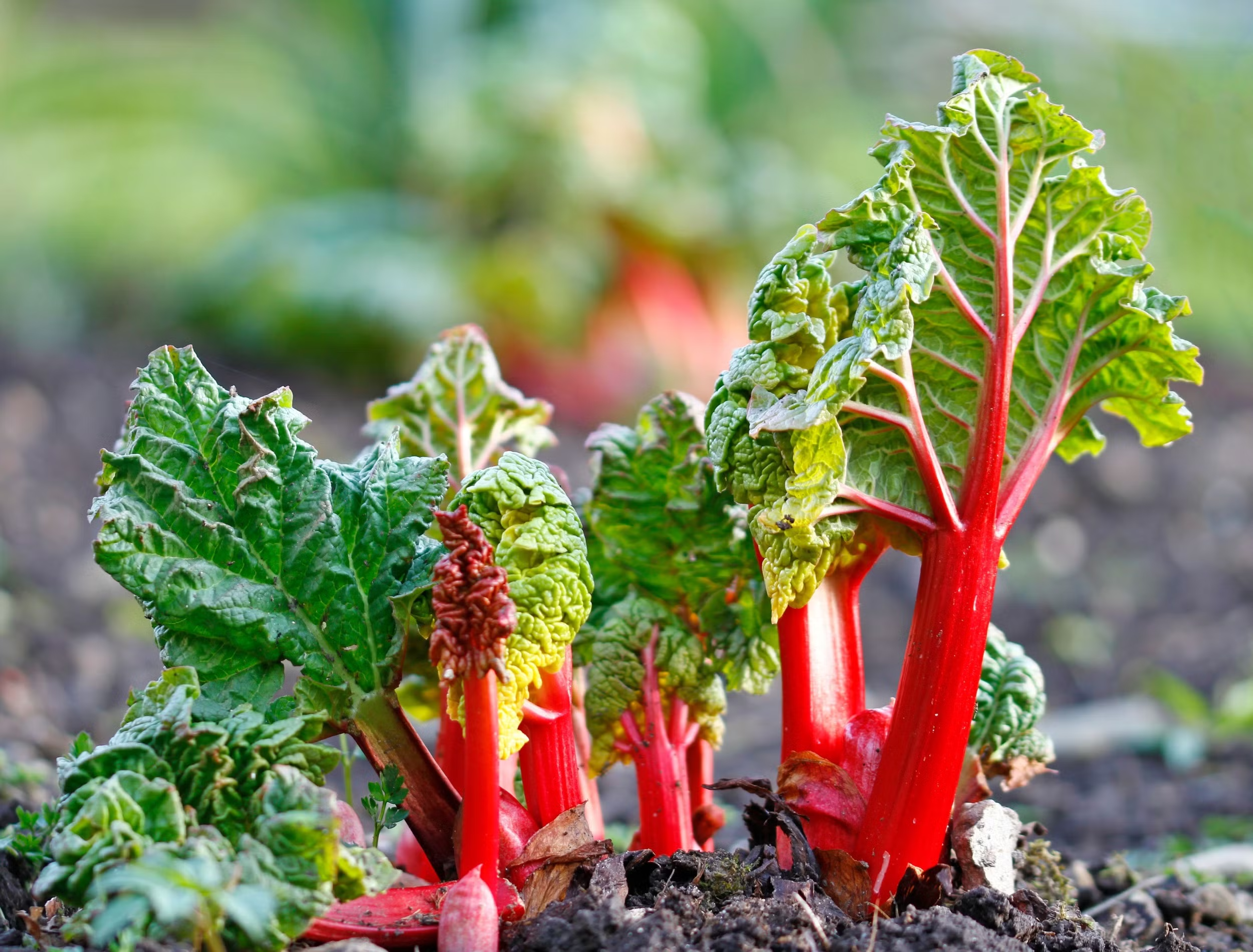
Beauty starts in the produce aisle, and rhubarb is a quiet overachiever. Its vitamin C and antioxidant polyphenols help defend skin from the oxidative stress that can dull glow and degrade collagen and elastin over time, supporting a smoother, more resilient look. Vitamin K contributes to healthy skin structure, while manganese participates in the enzymatic steps that build and maintain connective tissue. The high water content and fiber support a well-functioning gut—often reflected in clearer, more luminous skin—while the plant’s bright phytonutrients help keep tone looking even after daily environmental exposure. Think of each rosy stalk as a tidy package of “inside-out” care for complexion, scalp, and strands, helping them better weather modern life.
Culinary Uses
Think of rhubarb as citrus you can chop—its tang wakes up sweet and savory dishes alike. For desserts, pair with strawberries, raspberries, or apples; add lemon or orange zest, vanilla, ginger, or cardamom; then roast, stew, or bake into crumbles, galettes, pies, and muffins. A quick compote (diced rhubarb gently simmered with a touch of sugar or honey) is sublime over yogurt, oatmeal, pancakes, or cheesecake. For savory cooking, turn rhubarb into a chutney with onion, ginger, and warm spices to serve with pork, duck, or aged cheeses, or make a bright salsa for salmon and other rich fish. It also pickles beautifully—thin slices marinated with vinegar, a pinch of sweetener, and spices add snap to salads and sandwiches. For drinks, cook a simple syrup and strain for rosy spritzers, lemonades, and cocktails. Tip: roast or poach just until tender to keep lovely pieces; simmer a bit longer for a silky sauce.
Health
Rhubarb’s ruby stalks deliver bright flavor with impressive nutrition. Naturally low in calories and rich in water and fiber, they help keep you satisfied while supporting comfortable, regular digestion. Rhubarb is a notable source of vitamin K, a nutrient that supports healthy bones and works alongside calcium and vitamin D in the body. You’ll also find vitamin C, potassium, and manganese—team players for collagen formation, fluid balance, and overall metabolic wellness. Beyond vitamins and minerals, rhubarb provides polyphenols (including anthocyanins—the pigments behind its vivid color) that act as antioxidants, helping to neutralize everyday oxidative stress and support a calm, balanced inflammatory response. Its lively tartness also stimulates saliva and the senses, making wholesome foods feel exciting again. In short: a refreshing, smart choice when you want nutrient density without heaviness.
Holistic
Long before it starred in pies, rhubarb had a storied place in traditional wellness. Native to Asia, it traveled ancient trade routes and was prized in classical herbals for its role in digestive balance and seasonal renewal. Across Europe and the Middle East, the first spring stalks symbolized a fresh start after winter—bright, bracing, and enlivening. Today, that heritage meets modern nutrition: rhubarb’s invigorating tartness, plant acids, and polyphenols make it a natural fit for rituals that feel cleansing and restorative. Whether you simmer a simple compote or fold it into a nourishing breakfast, you’re tapping into a lineage that celebrates balance, lightness, and the uplifting energy of spring.
Scallions
Beauty
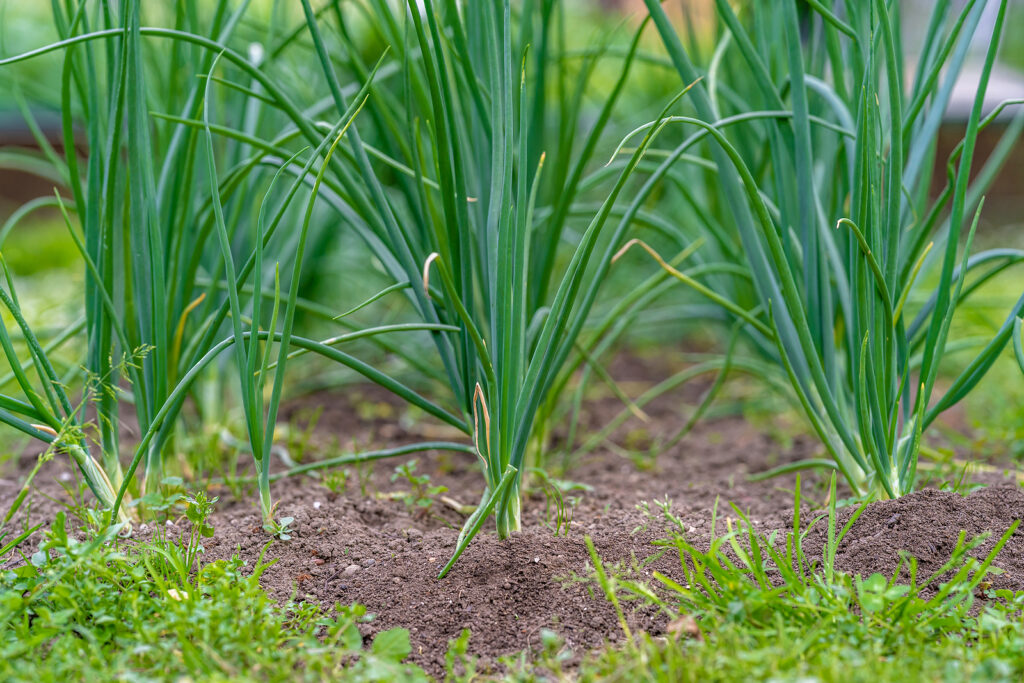
Scallions quietly do the beauty work from the inside out. Vitamin C helps your body weave strong, supple collagen—the protein that keeps skin firm and resilient—while the green tops’ carotenoids support normal skin renewal and help defend against everyday environmental stressors. Flavonoids found in scallions act as antioxidants, helping to tame free radicals associated with dullness and premature skin aging, so your natural glow can take center stage. You’ll also find vitamin K, which supports normal wound-healing processes, and gentle sulfur compounds that contribute to the amino acids used to build keratin—the structural protein in hair and nails. Add in their high water content, and scallions become an easy daily habit for skin that looks vibrant and well cared for.
Culinary Uses
Every part of the scallion is useful: the white end brings a mild, oniony snap; the hollow green tops add freshness and color. Slice thinly on the bias for a tender crunch over eggs, avocado toast, baked potatoes, grain bowls, tacos, ramen, pho, or miso soup. Fold them into omelets and frittatas, or toss at the very end of a stir-fry to keep their brightness. Char whole scallions on a hot grill or skillet for a sweet, smoky side, or whiz them into a quick sauce: classic ginger–scallion sauce, scallion oil for noodles, or a verdant salsa verde. They’re brilliant with soy sauce, sesame, ginger, citrus, vinegar, chili, miso, butter, and olive oil, and they flatter seafood, chicken, tofu, mushrooms, rice, and potatoes. Pro tip: keep the greens for finishing and the whites for cooking; add them late to preserve their color and perfume. For an elegant garnish, soak thin ribbons in ice water—they’ll curl into delicate springs that make any plate look restaurant-ready.
Health
Light, crisp, and deeply nourishing, scallions (green onions) deliver impressive benefits in a small, flavorful package. They’re naturally low in calories yet rich in nutrients that support everyday wellness. The green tops contribute carotenoids and chlorophyll, while the whole stalk provides vitamin C for immune support and collagen formation, vitamin K for normal blood clotting and bone protein activation, and folate for healthy cell renewal. Like other members of the Allium family, scallions contain organosulfur compounds and flavonoids (including quercetin and kaempferol) that help the body counter everyday oxidative stress. Their gentle prebiotic fibers—fructans that feed beneficial gut bacteria—support a healthy microbiome and comfortable digestion. Perhaps best of all, scallions bring bright, concentrated flavor to dishes, helping you season generously without relying on heavy sauces or excess sodium.
Holistic
Across food cultures, scallions are a symbol of freshness and vitality. In East Asian traditions, young onions (cong) are often paired with ginger in simple broths or porridges, especially in cooler seasons, prized for their warming aroma and ability to enliven the senses. In Korean and Japanese kitchens, a final snowfall of sliced scallions over soups, noodles, or savory pancakes is as much about energy and harmony as it is about flavor. Mediterranean cooks have long welcomed spring onions as a first green of the season—an everyday tonic that brightens the palate after winter. Whether stirred into a steaming pot or scattered at the table, scallions carry a gentle ritual: they wake up a dish, and with it, the appetite and mood.
Radishes

Beauty
Think of radishes as a fresh, crunchy boost for glow-from-within care. Their vitamin C supports collagen—the protein that keeps skin looking firm and smooth—while plant antioxidants (including anthocyanins in red radishes and isothiocyanates from their brassica roots) help neutralize oxidative stress from everyday life. Their high water content adds a dewy, hydrated look, and the light fiber supports a balanced, comfortable digestion that often shows up as a clearer, brighter complexion. Enjoy them regularly for a simple, delicious way to nurture resilient skin and a fresh, lively appearance.
Culinary Uses
Radishes shine raw for snap and spice: slice or shave into salads, tuck into tacos and grain bowls, or scatter over buttered toast with flaky sea salt. For a classic French bite, pair chilled radishes with good butter and salt; for brightness, toss with lemon, olive oil, and herbs like dill, chives, or mint. Quick-pickle them with vinegar, a touch of sugar, and salt to crown sandwiches, bowls, and grilled meats. Heat softens their pepper and coaxes sweetness—roast with olive oil, glaze with honey and butter, or sauté and finish with miso or soy and sesame. They love citrus, avocado, cucumbers, seafood (especially oysters and salmon), goat cheese or feta, and pantry flavors like tahini, chili crisp, and rice vinegar. Don’t toss the greens: sauté them like spinach or blitz into pesto to use the whole bunch.
Health
Crisp, peppery radishes are a light, nutrient-dense way to refresh your plate. A cup delivers about 20 calories, plenty of water, and gentle fiber that supports regularity and a healthy gut environment. They’re naturally rich in vitamin C, which helps your immune system and is essential for collagen formation, plus potassium to support fluid balance and healthy blood pressure. As members of the brassica family, radishes supply glucosinolates that convert to isothiocyanates—compounds shown to activate the body’s own antioxidant and phase II detoxification enzymes. Red-skinned varieties also offer anthocyanins, colorful plant antioxidants. All together, they bring hydration, crunch, and protective phytonutrients in every bite.
Holistic
Across Mediterranean and Asian food traditions, radishes have long been the crisp, peppery counterpoint to rich dishes—served to spark the appetite, refresh the palate, and bring a sense of lightness to a meal. Their lively heat comes from mustard-like compounds, a hallmark of the brassica family, and that invigorating bite has made them a symbol of spring’s renewal in many markets. From the classic French ritual of radishes with butter and flaky salt to the bright pickles of East Asia, they’ve been cherished for the simple pleasure of balance: sharp and cool, vivid and cleansing, everyday and celebratory.
Potatoes

Beauty
Beauty begins with nourishment. The vitamin C in potatoes supports your body’s own collagen-building machinery for supple, resilient-looking skin. Potassium helps maintain healthy fluid balance, while B vitamins assist the constant renewal of skin and hair cells. Natural antioxidants help defend against the oxidative stressors that can dull your glow. And because potatoes are mostly water and provide satisfying complex carbohydrates, they pair effortlessly with proteins and healthy fats to build balanced meals—the kind of steady nourishment that often shows up as a brighter complexion and stronger-looking hair.
Culinary Uses
Few ingredients are as versatile. Roast wedges until bronzed and crackly with olive oil, garlic, and rosemary; smash and crisp for irresistible edges; or bake whole and finish with Greek yogurt, chives, and a squeeze of lemon. Simmer and mash silky-smooth with extra-virgin olive oil or butter; fold into vibrant potato salads with Dijon, herbs, and a splash of vinegar; or transform into golden latkes, rösti, gnocchi, or Spanish tortilla. Potatoes love dill, thyme, parsley, smoked paprika, mustard, and good salt. Keep the skins on for texture and fiber. For a gut-friendly twist, cook, chill, and serve as salad—the cooling step naturally boosts resistant starch. Pair with eggs, salmon, beans, or leafy greens for a complete, satisfying plate.
Health
A potato is a nutrient-dense staple disguised as comfort food. Each tender tuber brings meaningful amounts of potassium (more than a banana per serving) to support normal blood pressure, muscle contraction, and nerve signaling; vitamin C to aid immune defenses and collagen formation; and vitamin B6 to help convert food into usable energy. Keep the skin on and you add dietary fiber that supports digestive regularity and satisfying fullness. Cooked-and-cooled potatoes also develop resistant starch—a prebiotic that nourishes beneficial gut bacteria. Beyond vitamins and minerals, potatoes deliver protective plant compounds (polyphenols, carotenoids, and, in colorful varieties, anthocyanins) that help neutralize everyday oxidative stress.
Holistic
Rooted in the high Andes and cultivated for millennia, the potato has long stood for simple, sustaining nourishment. Traditional communities enjoyed it fresh and in preserved forms like chuño to carry them through lean seasons—a testament to its reliability. Across cuisines, a warm bowl of potatoes is the very definition of comfort: grounding, gentle on the stomach when prepared plainly, and easy to turn into restorative meals. Today, modern know-how harmonizes with tradition—practices like cooking and cooling to increase resistant starch echo time-tested wisdom through a contemporary, science-aware lens.
Pumpkins

Beauty
Pumpkin’s beauty credentials are impressive. Beta‑carotene helps give skin a healthy, lit‑from‑within look and contributes to natural photoprotection from the inside out. Vitamin C supports collagen formation—the scaffolding that helps keep skin firm and smooth—while vitamin E acts as a lipid‑loving antioxidant to defend your glow. The flesh’s high water content offers gentle hydration, and its fiber supports a balanced gut, which is closely linked to calm, clear skin. Don’t skip the seeds: their zinc supports skin renewal, and their essential fats help fortify the skin barrier and nourish the scalp. Together, pumpkin’s carotenoids, vitamins, minerals, and good fats offer a simple, seasonal way to care for skin and hair, complementing your routine with nutrients that work beneath the surface.
Culinary Uses
Pumpkin is wonderfully versatile. Roast wedges or cubes until caramelized for salads, grain bowls, and sides; blend roasted flesh into a velvety soup with stock, a swirl of cream or coconut milk, and a whisper of nutmeg. Whip smooth purée into breads, muffins, pancakes, and pies, or stir a spoonful into oatmeal, yogurt, and even lattes for natural sweetness and silkiness. It shines in savory dishes—think risotto with sage and parmesan, ravioli fillings, Thai‑style curries with chili and coconut, or Moroccan‑inspired tagines with cumin and cinnamon. Pumpkin loves partners like brown butter, maple, miso, ginger, garlic, tahini, feta, goat cheese, chili, and citrus. Don’t forget the seeds: roast with olive oil and sea salt (or smoked paprika, cinnamon, or chili) for a crunchy snack or garnish on soups and salads. From weeknight comfort to holiday showstoppers, pumpkin meets the moment with warmth and depth.
Health
Pumpkin is a quiet nutritional powerhouse. Its deep orange flesh is rich in beta‑carotene—the plant pigment your body converts into vitamin A—to support clear night vision and a well-tuned immune system. You also get vitamin C and vitamin E, antioxidant allies that help protect cells from everyday oxidative stress. A natural source of fiber, pumpkin helps keep digestion steady and promotes lasting fullness, while potassium supports healthy blood pressure and fluid balance after a workout or a long day. Beyond the flesh, the seeds (pepitas) bring magnesium for muscle and nerve function, zinc for immune support, and plant-based protein and unsaturated fats that fit beautifully into heart‑smart eating. Pumpkin also supplies carotenoids like lutein and zeaxanthin, known for supporting eye health. All of this comes in a naturally low‑calorie, nutrient‑dense package—comforting nourishment you can feel good about.
Holistic
Long before pumpkin became an autumn icon, it was a sustenance staple across the Americas, interplanted with corn and beans as part of the “Three Sisters.” Its generous vines covered soil, its sweet flesh nourished through cold months, and its seeds were prized for vitality. Across folk traditions, roasted pepitas were a daily tonic for strength and seasonal resilience, and in parts of Europe they’re still used traditionally to support men’s urinary comfort. In the holistic kitchen, pumpkin is the essence of grounded, cozy nourishment—warming, gently sweet, and easy to digest. It’s the kind of food that invites slower meals, fuller plates, and the reassuring rhythm of eating with the seasons—nourishing body and spirit in equal measure.
Peas
Beauty
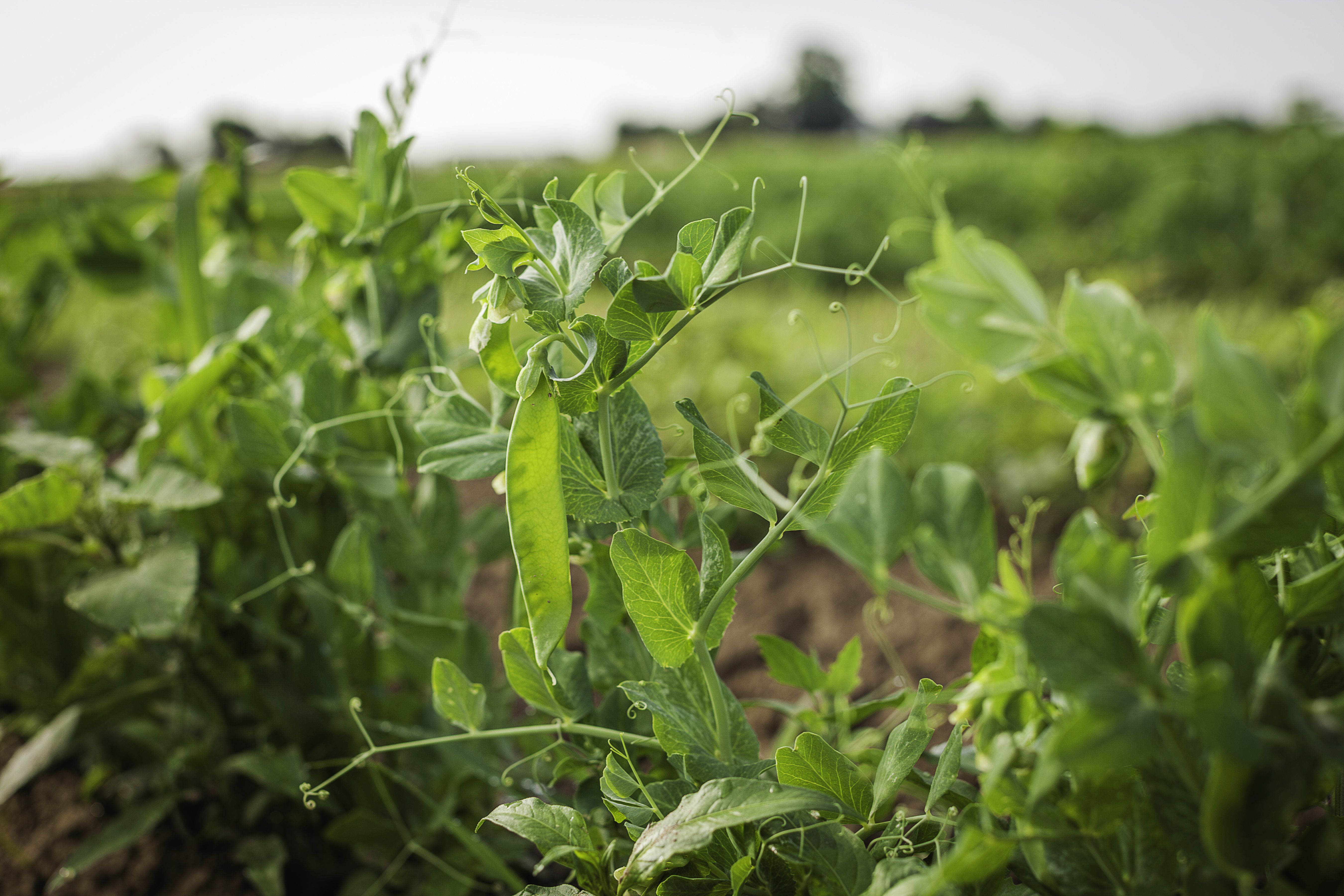
Peas bring beauty benefits from the inside out. Vitamin C helps your body build collagen, the protein that keeps skin firm and resilient. Their antioxidants—including lutein and zeaxanthin—help defend skin against the oxidative stress that can accelerate visible signs of aging from everyday exposure to sunlight and pollution. The gentle, natural sugars and high water content give peas a fresh, dewy appeal on the plate while nourishing your skin with hydration and minerals. Protein provides amino acids for hair’s building blocks (keratin), while iron and folate support the fast‑growing cells in hair and nails. Trace minerals like manganese and copper act as enzyme cofactors involved in skin structure. The result: a quietly radiant, well‑nourished look that starts at the table.
Culinary Uses
Peas shine in quick, vibrant dishes. Blanch shelled green peas 1–2 minutes until vivid, then toss with butter and mint, or olive oil, lemon zest, and flaky salt. Fold them into risotto, pasta primavera, frittatas, fried rice, paella, or grain bowls. Purée with stock, a handful of herbs, and a splash of cream or olive oil for a silky soup; or blitz into a pea‑mint pesto and spread on crostini with ricotta. In Indian cooking, think matar paneer or a gently spiced pea pilaf. For British comfort, spoon warm, mashed peas alongside roasted fish. Peas love companions like fresh herbs (mint, tarragon, dill), alliums (shallot, scallion, garlic), citrus, Parmesan, feta, ricotta, prosciutto or pancetta, and seafood such as scallops or crab. Snow peas and sugar snap peas bring crisp, sweet crunch to stir‑fries and salads—just trim and sauté or char briefly. Frozen peas, flash‑frozen at peak sweetness, are a cook’s secret: add them in the final minutes of cooking to keep their color bright and their bite tender.
Health
Small but mighty, peas deliver a remarkable balance of protein, fiber, and micronutrients. A cup of cooked green peas offers about 8 grams of plant protein and roughly 8 grams of fiber—an ideal duo for steady energy, comfortable digestion, and long‑lasting satiety. Their fiber includes prebiotic types that help nourish a healthy gut microbiome. Peas are naturally rich in vitamin K (supporting bones and normal blood clotting), vitamin C (for immune support and collagen formation), folate (for cell renewal), and minerals such as iron, potassium, and magnesium. They also contain carotenoids like lutein and zeaxanthin, plus polyphenols, which act as antioxidants. Together, these nutrients support heart‑friendly eating patterns, stable energy between meals, and everyday wellness—without weighing you down.
Holistic
Across centuries and cuisines, peas have symbolized renewal and good fortune—the first sweet taste of spring after a long winter. Archaeological finds trace their cultivation to ancient civilizations; in Europe, pease porridge and bright spring soups were staples, while across Asia, tender pods and shoots have long graced market stalls and woks. Holistically, peas embody simple nourishment: a plant‑forward food that is gentle, grounding, and satisfying. They’re also kind to the earth. As legumes, peas naturally help fix nitrogen in the soil—an elegant example of how eating well and caring for the land can go hand in hand. That sense of seasonal abundance and sustainability is part of their quiet magic.
Parsnips

Beauty
Beauty starts in the kitchen, and parsnips quietly support it from within. Vitamin C helps your body make collagen—the protein that keeps skin smooth, firm, and resilient. Folate supports healthy cell turnover, which is essential for a fresh, even-looking complexion. Potassium aids fluid balance, helping cells stay comfortably hydrated. The fiber and emerging resistant starch nourish a healthier microbiome, and a balanced gut is increasingly linked with clearer, calmer-looking skin. Add their natural antioxidants to the mix, and you have a root that supports skin’s defense against everyday oxidative stress while providing a gentle glow from wholesome nourishment.
Culinary Uses
Parsnips shine when roasted: high heat coaxes out their natural sugars, delivering caramelized edges and a plush, nutty sweetness. Toss wedges or coins with olive oil, salt, and thyme or rosemary, then roast until deeply golden. Purée them into a silky soup with garlic, onion, and a splash of cream or olive oil; or mash with butter and a hint of nutmeg for an elegant alternative to potatoes. Cut into batons for oven “fries,” shave raw ribbons into a crisp slaw with lemon and parsley, or fold grated parsnip into latkes and savory pancakes. They love warm spices—cumin, coriander, ginger, cinnamon—as well as bright companions like lemon zest, apple, and pear. Pair with roasted chicken, pork, lamb, salmon, or hearty mushrooms; finish with toasted walnuts or hazelnuts for crunch. A drizzle of maple or honey amplifies their sweetness, while a spoon of yogurt or crème fraîche adds tangy lift. For meal prep, cook and chill parsnips for salads and grain bowls—their flavor deepens overnight and their texture stays velvety.
Health
Parsnips deliver satisfying, slow-burning energy with a generous dose of dietary fiber—especially soluble fiber that helps keep digestion regular and supports healthy cholesterol levels. Their notable potassium content helps maintain normal blood pressure and fluid balance, while vitamin C contributes to immune function and natural collagen formation. Parsnips also provide folate (vitamin B9), a key nutrient for healthy cell growth and red blood cell formation. Like many roots, they contain protective phytonutrients and phenolic compounds studied for antioxidant and anti-inflammatory activity. Cooked and then cooled, some of their starch naturally shifts into resistant starch—a prebiotic form of fiber that feeds beneficial gut bacteria. Altogether, parsnips make a deeply nourishing, gut-friendly staple that supports everyday wellness.
Holistic
Long before potatoes took center stage, parsnips were a beloved European staple—cultivated by the Romans, prized through the Middle Ages, and relied on for sustenance in cold months. Their gentle sweetness made them a natural comfort food, turning hearty winter meals into something almost celebratory. In many food traditions, slow-digesting roots are considered grounding: simple, steady fuel that satisfies without fuss. Modern nutrition echoes that wisdom—fiber-rich, mineral-rich roots like parsnips help you feel nourished and balanced. They bridge old and new, offering the coziness of heritage cooking with benefits that align beautifully with contemporary wellness.
Oyster Mushrooms
Beauty
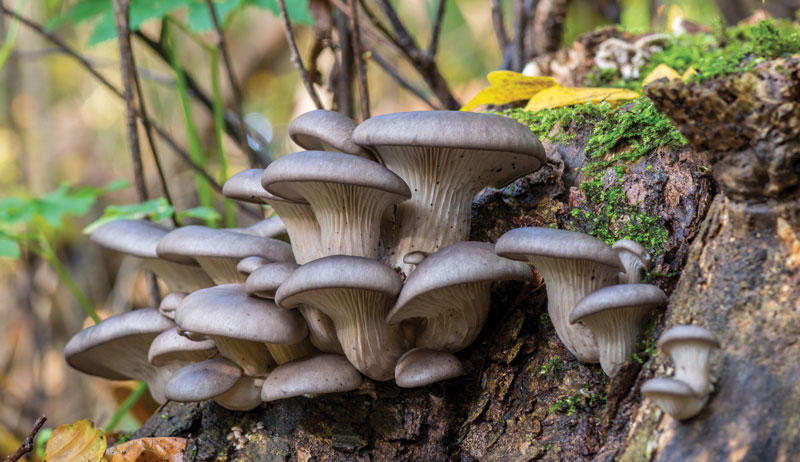
Beauty begins in the cells, and oyster mushrooms bring quiet, daily support. They supply copper, a cofactor for enzymes that help cross-link collagen and elastin while supporting natural pigment balance. Their signature antioxidants—ergothioneine and glutathione—help defend skin lipids and collagen from routine oxidative stress (think sun exposure and urban pollution), which can show up as dryness, dullness, and fine lines. B vitamins, especially niacin, nourish the skin’s barrier and support healthy hair follicles from the inside out. They also provide ergosterol, a natural precursor to vitamin D; when mushrooms are exposed to light before harvest, this converts to vitamin D2—an added plus if present—supporting overall skin resilience. The result is a subtle, inside-out glow grounded in real nutrition.
Culinary Uses
Tear clusters into petals to maximize browned, crispy edges, then sear over high heat and finish with olive oil or butter, garlic, and a squeeze of lemon. For deep flavor, dry-sauté first to release moisture, then add fat and aromatics. They shine in stir-fries, risotto, pasta, ramen, tacos, omelets, and on toast; or roast a sheet pan full and toss with herbs, a touch of miso or soy, and a splash of vinegar. Pair with thyme, rosemary, parsley, scallions, ginger, chili, citrus, Parmesan, cream, or toasted sesame. They take beautifully to marinating and grilling, and can be shredded into “pulled” textures for sandwiches and grain bowls—soaking up seasonings while staying tender and satisfyingly meaty.
Health
Oyster mushrooms deliver an impressive package of wellness-supporting nutrients in a light, savory bite. They provide beta-glucans (notably pleuran), a soluble fiber that supports immune function and feeds beneficial gut bacteria, encouraging the production of short‑chain fatty acids for a happy microbiome. They’re naturally rich in B vitamins like niacin and riboflavin for energy metabolism, plus potassium for fluid balance and normal blood pressure, and modest amounts of copper and iron. Mushrooms are also one of the best dietary sources of ergothioneine and glutathione—cell-protective antioxidants that help buffer everyday oxidative stress. Pleurotus species contain a naturally occurring compound related to lovastatin and have been studied for maintaining healthy cholesterol levels as part of a balanced diet. Low in calories yet satisfying thanks to fiber and umami, they fit beautifully into plant-forward, cardiometabolic-friendly eating.
Holistic
Across kitchens from East Asia to Eastern Europe, oyster mushrooms have long been appreciated as a fortifying, comforting food—gentle on digestion and rich in savory satisfaction. Holistically, they’re a model of nourishment that cares for the planet, too: cultivated on hardwood, straw, or other agricultural by-products, they transform low-value materials into nutrient-dense food with a light footprint. Their soothing aroma and meaty tenderness make plant-forward meals feel abundant, encouraging a slower, more mindful way of eating. Choosing locally grown clusters connects you to the rhythm of small farms and the quiet craft of mushroom cultivation.
Onions

Beauty
Beauty begins in the kitchen, and onions contribute from the inside out. Vitamin C supports collagen formation—the protein that keeps skin firm and springy—while quercetin and other polyphenols help neutralize oxidative stress from sun and pollution, a key driver of visible aging. Onions also deliver dietary sulfur, a building block for keratin, which is fundamental to strong hair and nails. Their prebiotic fibers nourish a diverse gut microbiome, and a balanced gut is increasingly linked with calmer, clearer-looking skin via the gut–skin axis. Hydrating by nature and brimming with protective plant compounds, onions are a subtle daily ally for supple skin, lustrous hair, and that lit-from-within look.
Culinary Uses
Onions are the flavor foundation of the world’s kitchens. Start by sweating them gently with a pinch of salt to build aromatic bases for soups, stews, sauces, and grains (think French mirepoix, Italian soffritto, or the Cajun trinity). For deep, spoonable sweetness, caramelize low and slow until mahogany, then deglaze with stock, wine, or a splash of balsamic. Roast wedges at high heat until the edges char and the centers turn jammy; grill thick slices for smoky sweetness. Serve raw for brightness—thinly sliced in salads, salsa, or tacos (a quick rinse under cold water softens the bite). Quick-pickle with vinegar, a little sugar, and salt for a zippy condiment in 30 minutes. Onions love butter or good olive oil and pair beautifully with thyme, bay, rosemary, cumin, sumac, tomatoes, citrus, apples, aged cheeses, legumes, hearty greens, beef, lamb, chicken, and mushrooms. From pantry staple to star of the plate, they’re endlessly versatile.
Health
Onions are a quiet powerhouse: low in calories yet rich in vitamin C, B6, folate, and a touch of potassium, with notable antioxidants such as quercetin (and anthocyanins in red onions). Their natural prebiotic fibers—especially inulin and fructo-oligosaccharides—feed beneficial gut bacteria, helping support digestion, regularity, and a healthy microbiome. When an onion is cut, its organosulfur compounds come to life; these bioactives work with antioxidants to support your body’s natural defense systems and overall immune function. Quercetin is also studied for supporting healthy endothelial function—good news for circulation. Add in the high water content and low glycemic load, and onions bring savory depth without weighing down your plate. In short: everyday flavor with research-backed nutrients that support gut health, resilience, and steady energy.
Holistic
For thousands of years, onions have been woven into daily life and lore—from ancient Egypt, where their concentric rings symbolized endurance, to the hearths of Greece, Rome, and beyond. Traditional kitchens have long turned to slow-simmered onion broths and stews for comfort in cool seasons, and many holistic practices regard onions as warming, grounding foods that help the body feel balanced. Beyond the nutrients, there’s a ritualistic calm to the process: the sizzle as an onion meets the pan, the softening, the gentle release of sweetness. It’s kitchen therapy—simple ingredients, patient heat, and a sense of wellbeing that starts with aroma and ends in nourishment.
Maitake Mushrooms

Beauty
Beauty begins at the cellular level, and maitake helps from within. Its standout antioxidant, ergothioneine, is transported into skin cells where it helps neutralize oxidative stress—one of the quiet culprits behind a dull complexion and visible signs of aging. Glutathione adds a second line of defense, supporting the skin’s own protective systems. Maitake also provides B vitamins that assist with healthy cell turnover for smooth, resilient skin, while potassium supports fluid balance that can help minimize puffiness. As a natural source of copper, it contributes to the enzymes involved in collagen maturation and hair pigmentation. The mushroom’s gentle, immune‑supportive polysaccharides help maintain a calm, balanced internal environment—good news for skin that looks its best when inflammation is kept in check.
Culinary Uses
Maitake’s frilled clusters cook up meaty and crisp, with deep, woodsy umami. Tear—don’t slice—the clusters into petals for maximum browned edges. Roast or pan‑sear over high heat until the edges frill and caramelize, then finish with sea salt, a squeeze of lemon, or a gloss of butter or olive oil. It loves garlic, scallions, thyme, rosemary, black pepper, chili, soy sauce or tamari, miso, mirin, sake, sesame oil, sherry, cream, and Parmesan. Fold into risotto or polenta, toss with pasta, pile onto toast, tuck into tacos, or float in ramen and miso soups. Grill whole clusters for a dramatic side, or batter lightly for tempura. Dried maitake is a pantry gem—steep to create a smoky, savory broth and use the rehydrated pieces in sauces, grains, or stir‑fries. Pro tip: for superior browning, don’t crowd the pan; start the mushrooms in a hot dry skillet to release moisture, then add fat to finish.
Health
Maitake, also known as hen of the woods, delivers a rare combination of fiber, minerals, and protective compounds that support everyday vitality. Its beta-glucans—naturally occurring polysaccharides—act as soluble fiber that helps nourish the gut, steady post‑meal blood sugar, and support a well‑orchestrated immune response. Prebiotic fibers in maitake feed beneficial gut bacteria, which in turn produce short‑chain fatty acids tied to metabolic and digestive health. You’ll also find B vitamins (niacin, riboflavin, pantothenic acid) that help convert food into energy, plus potassium for fluid balance and normal blood pressure. Maitake is rich in unique antioxidants like ergothioneine and glutathione, which help defend cells from everyday oxidative stress. Low in calories yet satisfyingly savory, it makes it easier to cook lighter while still feeling deeply nourished.
Holistic
For centuries across Japan and China, maitake has been a symbol of good fortune and vigor—its name means “dancing mushroom,” a nod to the joy foragers felt upon finding it at the base of hardwood trees. In traditional kitchens it was simmered in restorative broths and shared at the table to promote balance, resilience, and seasonal well‑being. Today, that heritage meets modern science: researchers study maitake’s beta‑glucan fractions for their role in immune modulation and metabolic support. Beyond the lab, many people value maitake for the way it grounds a meal—earthy, woodsy, and nourishing—inviting slower cooking, mindful eating, and a sense of connection to the forest from which it springs.
Microgreens

Beauty
Think of microgreens as glow food. Vitamin C supports collagen formation for firm, supple skin; vitamin E helps defend delicate cell membranes from oxidative stress; and carotenoids—especially beta‑carotene, lutein, and zeaxanthin—contribute to a healthy, luminous complexion and help buffer the skin against environmental stressors. The phytochemicals in brassica microgreens encourage the skin’s natural detox‑supporting enzymes, while their antioxidants help keep tone even and calm the look of redness from daily life. Added regularly to meals, these vibrant leaves nourish hair and nails, too, by delivering micronutrients that support keratin structure and healthy scalp circulation.
Culinary Uses
Feathery, flavorful, and endlessly versatile, microgreens finish a dish with freshness. Scatter them over omelets, grain bowls, tacos, and soups right before serving. Layer peppery radish microgreens on buttered toast with smoked salmon; pair broccoli or kale microgreens with lemon, olive oil, and shaved parmesan; tumble pea shoots with mint and a splash of rice vinegar; or crown ripe tomatoes with basil microgreens and a drizzle of balsamic. Fold a handful into warm pasta just off the heat, blend into green dressings or pestos, or use as a crisp salad base with avocado and citrus. They shine with eggs, seafood, roasted vegetables, fresh cheeses, and anything that loves a bright, herbaceous lift. Keep chilled and dry, add at the finish for best texture, and enjoy within a few days for peak flavor.
Health
Microgreens are young vegetable and herb seedlings harvested at peak concentration—tiny leaves with outsized nutrition. Many varieties deliver notable amounts of vitamins C, K, and E, along with carotenoids like beta‑carotene, lutein, and zeaxanthin that support immune function, bone health, and healthy vision. Brassica types (broccoli, kale, mustard) are rich in glucoraphanin, a compound the body converts to sulforaphane, which helps activate your own antioxidant defenses. Beet microgreens naturally contain dietary nitrates that support nitric oxide production and healthy blood flow. Their polyphenols and other plant compounds help neutralize excess free radicals from everyday stress, while a gentle dose of fiber supports digestion and keeps meals satisfying without heaviness.
Holistic
Across cuisines, young shoots and tender greens have long symbolized vitality and renewal. Microgreens are a contemporary expression of that tradition—harvested just 7–21 days after germination, when flavor and color are vivid and the plant’s protective compounds are concentrated. Kitchen gardeners prize them for their immediacy: you trim, you taste, and you’re connected to living food. Their spectrum of hues—from amethyst radish to emerald pea—echoes the “eat the rainbow” approach to balanced nourishment, inviting a mindful plate that feels as restorative as it is beautiful.
Lettuce

Beauty
Water-rich leaves help hydrate from the inside out, lending your skin a fresh, dewy look. Lettuce’s carotenoids (including beta‑carotene, lutein, and zeaxanthin) work as antioxidants that support a healthy-looking complexion and eye area; when paired with olive oil, avocado, or nuts, these fat‑soluble nutrients are better absorbed. Folate supports the rapid turnover of skin and hair cells, while vitamin K plays a role in maintaining an even appearance. Consistently weaving crisp greens into meals is a simple, daily ritual that supports radiant skin, glossy hair, and that unmistakable “well-rested” glow.
Culinary Uses
Think beyond “just a salad.” Yes, lettuce shines with a classic trio of good olive oil, lemon, and sea salt—or in a Caesar with anchovy and Parmesan—but it’s also delicious charred: halve romaine, brush with oil, and quickly grill for smoky sweetness. Use whole leaves as crisp cups for fillings like ginger‑soy mushrooms, shredded chicken, or spiced lentils. Wilt briefly with peas, scallions, and herbs for a delicate side, purée into chilled green soups, or tuck into sandwiches and wraps for clean crunch. Pair with cucumber, radishes, citrus, berries, avocado, fresh herbs (mint, dill, chives), toasted nuts or seeds, tender grains, and proteins like salmon, tuna, beans, eggs, or roast chicken. For best texture, wash, spin dry, chill, and dress at the last moment so every leaf stays glossy and crisp.
Health
Lettuce is refreshment in leaf form: about 95% water to help you stay hydrated, yet packed with quiet nutritional support. It provides fiber for gentle digestion and steady fullness, folate (vitamin B9) for healthy cell renewal, and vitamin K to support bone health and normal blood clotting. Its green pigments carry carotenoids—beta‑carotene, lutein, and zeaxanthin—that support eye and immune health; enjoy them with a little healthy fat so your body absorbs them well. Lettuce also offers potassium for fluid balance, and leafy varieties naturally contain nitrates that the body converts to nitric oxide, which supports healthy circulation. All together, these micronutrients and antioxidants help buffer everyday oxidative stress while keeping meals light, crisp, and satisfying.
Holistic
Across kitchens from ancient Mediterranean gardens to modern markets, lettuce has long symbolized freshness and renewal. Its cool, crisp bite feels grounding and restorative—especially in warmer months—making it a natural first course that gently awakens the appetite. In traditional kitchens, the simple act of washing, drying, and dressing tender leaves is a mindful pause: a few minutes that turn raw ingredients into something vivid and alive. Balanced with a touch of bright acid and fragrant herbs, lettuce brings lightness and calm to the plate, encouraging a slower, more present way of eating that leaves you nourished but never weighed down.
Kohlrabi

Beauty
Think of kohlrabi as beauty from the inside out. Its standout vitamin C powers collagen formation, the scaffolding that keeps skin looking firm and resilient, and helps support normal wound healing. Antioxidants—including those naturally present in purple‑skinned kohlrabi—help counter everyday oxidative stress that can dull skin’s glow. With high water content and electrolyte minerals, kohlrabi contributes to healthy hydration for a fresh, plumped look. As a brassica, it also contains sulfur‑bearing compounds; sulfur is a component of keratin, the structural protein in hair and nails. Folate and B6 support normal cell turnover, so skin can renew itself on schedule. Enjoy it regularly and you’ll give your complexion a steady supply of the raw materials it needs to look smooth, bright, and vibrant.
Culinary Uses
Peel kohlrabi well to remove the fibrous outer layer, then let its versatility shine. Raw, slice into matchsticks or thin rounds for slaws and salads with lemon, olive oil, and a pinch of sea salt; it loves crisp company like apple, fennel, cucumber, and radish, and sings with dill, mint, or parsley. Add richness with feta, Parmesan, yogurt, or tahini, and texture with toasted almonds, walnuts, or hazelnuts. For cooking, cube or wedge and roast until tender and caramelized, sauté with garlic and butter, steam and mash like a lighter potato, or fold into soups and creamy purées. It’s excellent in quick pickles, stir‑fries with ginger, scallion, and sesame, or grated into fritters and latkes. Don’t forget the greens: sauté them like spinach or blitz into pesto. Seasonings that flatter kohlrabi include lemon zest, mustard, caraway, cumin, coriander, and a splash of vinegar for lift.
Health
Kohlrabi is a crisp, juicy member of the cabbage family that delivers serious nutrition with a light touch. It’s an excellent source of vitamin C, the antioxidant vitamin your body uses to support immune defenses and build collagen in connective tissues. Its hearty fiber feeds beneficial gut bacteria, supports regularity, and helps steady post‑meal blood sugar. Potassium in kohlrabi supports healthy blood pressure and normal muscle and nerve function, while B vitamins such as B6 and folate assist everyday energy metabolism. Like other brassicas, kohlrabi contains glucosinolates that, when chopped and chewed, form isothiocyanates—compounds studied for their role in cellular protection and antioxidant activity. Choose purple varieties for an extra touch of anthocyanins. Low in calories yet satisfying and hydrating, kohlrabi brings refreshing crunch and nutrient density to your plate.
Holistic
Kohlrabi—literally cabbage turnip in German—has long been a cool‑weather staple from Central Europe to South Asia, prized for its resilience, storability, and clean, peppery sweetness. In traditional kitchens it bridged seasons, offering crisp freshness in winter salads and comforting presence in gentle braises and soups. Cooks have long associated the mustardy snap of brassicas with feeling clear and invigorated, and served them as fortifying foods alongside hearty grains and broths. Today, kohlrabi still fits beautifully into a holistic table: light yet grounding, it encourages mindful eating with its satisfying crunch, supports everyday vitality with steady nutrients, and brings a sense of seasonal rhythm—raw and bright when you want lift, slow‑cooked and soothing when you crave warmth.
Lion's Mane Mushrooms

Beauty
Beauty begins with calm, well‑nourished cells—and Lion’s Mane shows up for your glow. Its antioxidants, including the mushroom‑specific ergothioneine, help defend skin from the daily onslaught of environmental stressors, which can accelerate the look of fine lines and dullness. The mushroom’s beta‑glucans support a healthy skin barrier from within, helping skin appear soothed and comfortably hydrated. B vitamins aid normal cellular turnover, while amino acids from this protein‑rich mushroom provide building blocks your body uses for strong hair and resilient nails. Many people notice that when their gut and inflammation are in balance, their skin follows suit; Lion’s Mane’s prebiotic fibers and gentle anti‑inflammatory compounds help set that internal stage—so your complexion can look clearer, calmer, and more luminous over time.
Culinary Uses
Lion’s Mane cooks like a revelation—sweet, delicate, and famously reminiscent of lobster or crab. Tear it into thick petals or slice into “steaks.” Start dry in a hot pan to let excess moisture steam off, then add butter or olive oil for deep browning. Finish with garlic, lemon, and sea salt for a golden, scallop‑like sear. It’s superb in: • Crab‑style cakes (shred, bind, pan‑fry) • Butter‑garlic pasta with parsley and white wine • Miso‑soy glazed roasts with sesame and scallions • Thyme‑scented risotto or creamy polenta • Ramen, dumplings, or a silky mushroom soup • Breakfast omelets and grain bowls Common pairings: butter or ghee, olive oil, shallot, thyme, tarragon, parsley, lemon zest, white wine, chili flakes, miso, soy sauce, ginger, sesame oil. Treat it like premium seafood or a tender cut of meat—high heat, golden edges, and simple aromatics let its naturally sweet, ocean‑kissed flavor shine.
Health
Lion’s Mane is where culinary pleasure meets cutting‑edge nutrition. Naturally low in calories and rich in prebiotic fiber, it helps feed beneficial gut bacteria—an essential foundation for digestion, immune readiness, and steady energy. Like other functional mushrooms, it supplies beta‑glucans and a unique antioxidant profile, including ergothioneine, which helps the body neutralize everyday oxidative stress. Lion’s Mane also contains bioactive compounds (hericenones and erinacines) studied for their ability to support nerve growth factor, the molecule that helps neurons thrive—translating to support for focus, memory, and mental clarity. You also get B vitamins that assist energy metabolism and potassium that contributes to normal muscle and blood pressure function. Satisfying and meaty without the heaviness, Lion’s Mane makes it easier to build balanced meals that nourish brain, gut, and immune health in one delicious bite.
Holistic
For centuries across East Asia, Lion’s Mane (Hericium erinaceus) has been prized as both food and tonic—celebrated for nourishing the mind and supporting a settled, comfortable stomach. Traditional herbal texts describe it as a culinary‑medicinal mushroom that fortifies the body while sharpening clarity. Today, modern research echoes that heritage, exploring its neurotrophic and gut‑supportive polysaccharides and diterpenoids. In other words, what wisdom kitchens have long known—eat Lion’s Mane to feel centered, clear, and well—now has increasingly detailed science behind it. It’s a beautiful example of holistic nourishment: one ingredient that harmonizes brain, belly, and overall vitality.
Leeks
Beauty
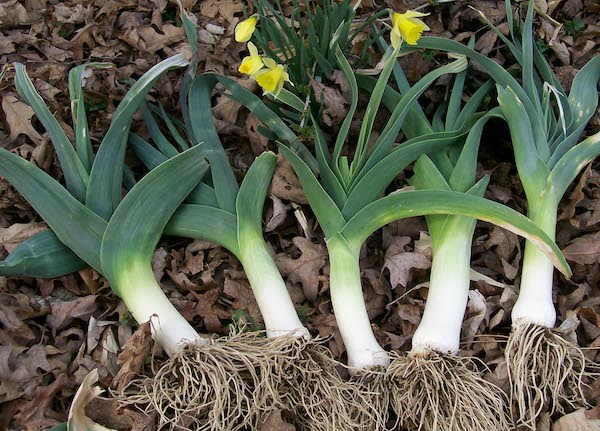
Think of leeks as beauty from the inside out. Their vitamin C and antioxidants help protect collagen from everyday wear, supporting smooth, supple skin. Carotenoids like lutein and zeaxanthin contribute to a healthy-looking glow and even tone by combating oxidative stress from sun and environment. The allium family’s natural sulfur compounds are building blocks for keratin—the protein in hair and nails—while manganese helps antioxidant enzymes that keep skin more resilient. Their prebiotic fiber also supports the gut–skin connection, the quiet pathway by which a balanced microbiome can reflect as calmer, clearer-looking skin.
Culinary Uses
Leeks bring a delicate, sweet-allium flavor—softer than onions, more aromatic than scallions. Use the white and light-green parts for cooking, saving the dark tops for stocks. To prep, slice lengthwise and rinse to remove any hidden grit. Slowly sauté in butter or olive oil until silky for “melted leeks,” the foundation of luxurious omelets, risottos, and pastas. Braise with stock and a splash of wine, roast until caramelized, or grill halves for a smoky edge. Classic pairings include potatoes, eggs, cream, lemon, thyme, tarragon, dill, mushrooms, and cheeses like Gruyère or goat cheese. They flatter seafood (salmon, scallops), chicken, and smoky bacon. Serve chilled leeks with a mustardy vinaigrette, fold into quiches and tarts, or shave them finely and soak in ice water for a crisp, mild addition to salads. A final squeeze of lemon or shower of fresh herbs makes their sweetness sing.
Health
Leeks are gentle, green medicine disguised as a vegetable. As a member of the allium family, they deliver prebiotic fibers—especially inulin—that feed beneficial gut bacteria, supporting digestion, regularity, and a resilient immune system. They offer vitamin K for strong bones, folate for healthy cell renewal, and vitamin C to support immune defenses and collagen formation. Their carotenoids (including lutein and zeaxanthin) contribute to eye health, while polyphenols such as kaempferol and natural sulfur compounds act as antioxidants that help neutralize everyday oxidative stress. Add in potassium to help maintain normal blood pressure and you have a light, hydrating vegetable that supports overall vitality without weighing you down.
Holistic
Across kitchens and cultures, leeks have long been a symbol of simple nourishment and renewal. The ancient Romans prized them (legend has it Emperor Nero ate them for a strong voice), and they remain an emblem of Wales—celebrated for humble strength and clarity. In European tradition, warm leek soups and broths have been cherished for comfort during the colder months, a gentle way to restore the body with light, steady energy. Today, leeks carry that same holistic spirit: clean, soothing, and quietly fortifying, bridging everyday cooking with time-tested wisdom.
Kale
Beauty
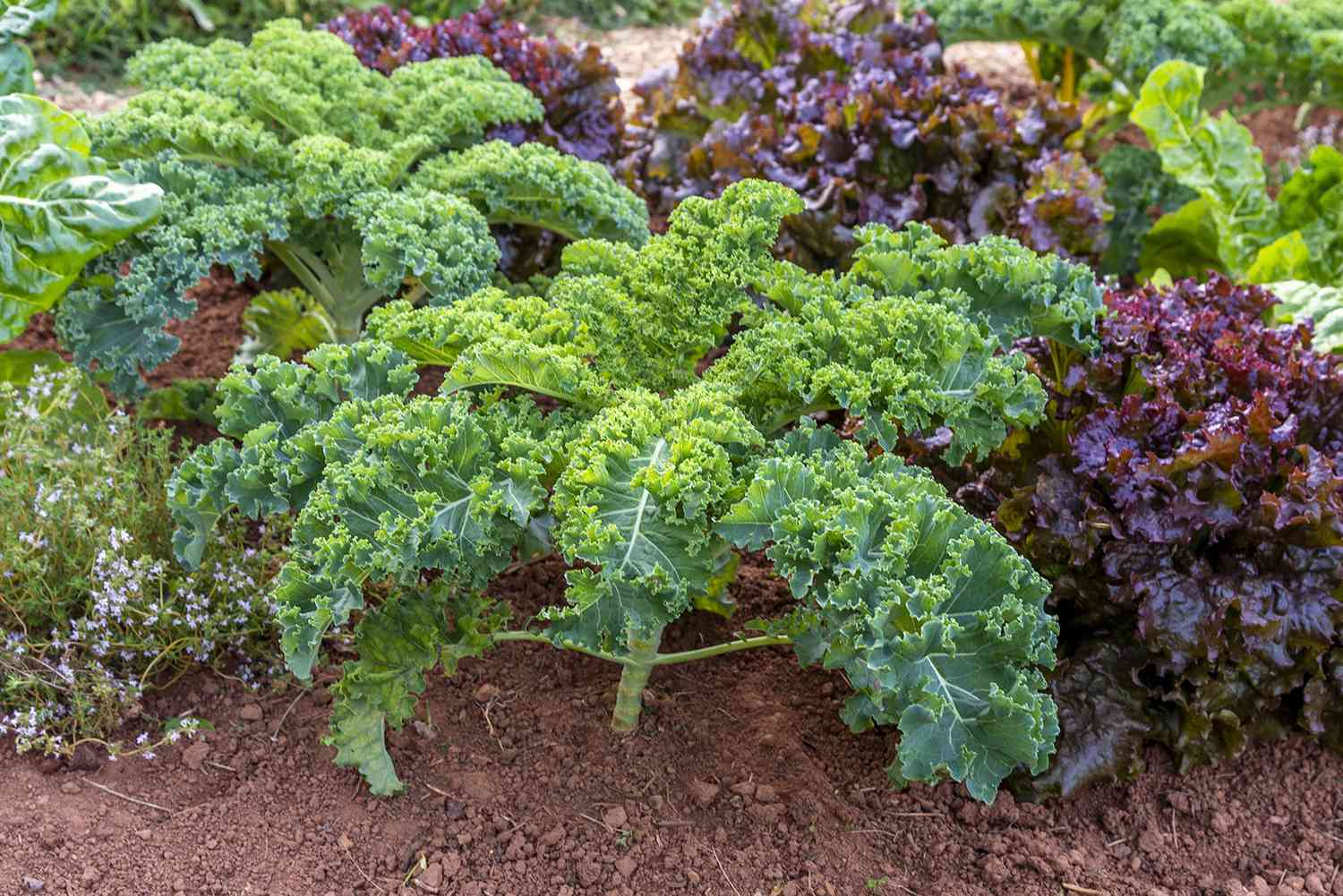
Think of kale as beauty nutrition in its most natural form. Vitamin C is essential for normal collagen production—the scaffolding that keeps skin supple and firm—and kale is generous with it. Beta-carotene (a precursor to vitamin A) supports healthy skin cell turnover for a smooth, even look, while lutein and zeaxanthin help defend skin against light-induced oxidative stress from every day sun and screens. Kale’s sulfur-containing phytochemicals, along with minerals like copper and manganese, support your skin’s antioxidant defenses, helping protect against the dulling effects of pollution and busy living. Its gentle plant omega-3 (ALA) contributes to a balanced inflammatory response, and potassium and magnesium aid healthy hydration and barrier function for a fresh, comfortable complexion. For hair, the synergy of iron with vitamin C supports normal oxygen delivery to follicles, and folate assists new cell growth—nutritional details that quietly show up as stronger-looking strands, a healthier scalp, and that natural, lit-from-within glow.
Culinary Uses
Kale shines in both rustic and modern kitchens. For raw salads, remove the ribs, slice finely, and massage with a pinch of salt, lemon, and olive oil until silky—then toss with tahini, citrus, or a Parm-and-anchovy Caesar-style dressing. Sauté it with garlic, chili, and extra-virgin olive oil; fold into frittatas; or braise with broth, white beans, and herbs. It’s a natural in soups and stews (think minestrone or Portuguese-style caldo verde) and adds verdant body to grain bowls with farro or quinoa. Blitz into smoothies with pineapple, mango, ginger, and lime for a bright, balanced sip. For a crisp snack, bake kale leaves into chips with olive oil and sea salt, or dust with nutritional yeast for a savory finish. Swap basil for kale in pesto with walnuts and lemon. Classic pairings include: lemon, garlic, chili flakes, olive oil, miso, soy or tamari, sesame, Parmesan or pecorino, anchovy, potatoes, sausage, bacon, beans, chickpeas, apples, pears, toasted almonds, and walnuts. Lacinato (Tuscan) is lovely for salads and quick sautés; curly kale brings hearty texture to soups and bakes.
Health
Kale is a compact powerhouse of micronutrients that support everyday vitality. Its deep-green leaves deliver vitamins A (as beta-carotene), C, and K in abundance—nutrients that help maintain normal immune function, support healthy vision, and assist with bone health and blood clotting. Kale’s fiber feeds beneficial gut bacteria and helps you feel satisfied, promoting steady energy between meals. As a member of the cruciferous family, it contains glucosinolates that convert into biologically active compounds (such as isothiocyanates) which help activate your body’s own antioxidant and detoxification enzymes. You’ll also find lutein and zeaxanthin—carotenoids that concentrate in the eyes—along with polyphenols like quercetin and kaempferol that help counter everyday oxidative stress. Its minerals—potassium, calcium, magnesium, and a touch of iron—support fluid balance, muscle function, and oxygen transport, while vitamin C in the same bite helps your body absorb plant-based iron. Even a small amount of plant omega-3 (ALA) rounds out kale’s nutrient profile, making it a smart, daily foundation for whole-body wellness.
Holistic
Long before “superfood” was a headline, kale was a cold-weather staple across the Mediterranean and Northern Europe—valued for its hardiness, satisfying bite, and nourishing depth. Traditional kitchens leaned on these sturdy greens in broths, stews, and rustic dishes to fortify during the darker months. In holistic food wisdom, kale’s naturally assertive, slightly bitter character has been appreciated for centuries for how it awakens the palate and signals the body to ready its digestive juices. As a crucifer, it’s also been embraced for supporting the body’s inborn cleansing pathways—an everyday nudge toward balance rather than a quick fix. Enjoying kale with a drizzle of olive oil honors time-tested pairing: healthy fats help you absorb fat-soluble nutrients like vitamin K and carotenoids. Whether gently wilted in a warming soup or finely sliced into a bright salad, kale carries the spirit of seasonal eating—resilient, grounding, and deeply restorative.
Garlic

Beauty
Beauty starts in the kitchen, and garlic quietly does its part. Its vitamin C supports normal collagen formation—the scaffolding that keeps skin looking firm and supple. Garlic’s signature sulfur compounds provide building blocks for keratin, the structural protein in hair and nails, promoting a strong, healthy look from root to tip. Antioxidants in garlic help defend skin against everyday environmental stressors like pollution and UV exposure, while its gentle, balancing influence on inflammation can translate to a calmer-looking complexion. Add it regularly to meals and you’re feeding skin, hair, and nails with the raw materials they love—supporting a glow that’s more than skin-deep.
Culinary Uses
Garlic is the cook’s aromatic compass—point it at any dish and flavor finds its way. Use it raw for brightness in vinaigrettes, chimichurri, salsa verde, and yogurt or tahini sauces. Sauté it gently in olive oil to start pasta sauces, stir-fries, soups, and stews, or bloom it with tomato paste, chiles, and spices for depth. Roast whole heads until caramel-sweet, then squeeze the cloves onto bread, mash into butter, or whisk into dressings. Confit cloves slowly in oil for silky, mellow garlic that spreads like jam. Common partners: lemon, tomatoes, parsley, basil, rosemary, thyme, chiles, anchovy, parmesan, citrus zest, mushrooms, and leafy greens. Technique matters: crush or microplane for bold intensity; slice for a gentler bite. For both flavor and benefits, mince and let it rest 5–10 minutes before cooking to allow allicin to develop. From aioli to marinades, from pilafs to sheet-pan vegetables, garlic is the ingredient that makes simple food taste intentional.
Health
Garlic is a small clove with big science behind it. When you chop or crush fresh garlic, an enzyme reaction creates allicin—an organosulfur compound linked to cardiovascular and immune support. Those sulfur compounds, along with naturally occurring antioxidants, help neutralize everyday oxidative stress and support a balanced inflammatory response. Garlic also brings prebiotic fibers (fructans like inulin) that feed beneficial gut bacteria, which in turn support digestion and overall wellness. Nutrient-wise, it contributes vitamin B6 for energy metabolism, vitamin C for immune function and collagen formation, and manganese, a cofactor for antioxidant enzymes. For maximum benefit, mince or crush your garlic and let it rest for about 10 minutes before heating; this gives allicin time to develop. Whether enjoyed raw or cooked, garlic’s constellation of sulfur compounds continues to support circulation and everyday vitality in a naturally flavorful way.
Holistic
Across centuries and cuisines, garlic has been treasured as both food and folk tonic. Ancient Egyptians fed it to workers for stamina; Greek athletes and Roman soldiers prized it for resilience. In Ayurveda, rasona (garlic) is traditionally used to stoke digestive fire and warmth, while in Traditional Chinese Medicine it’s seen as pungent and warming—useful for moving qi and invigorating circulation. Many cultures have long leaned on garlic during seasonal shifts, viewing it as a kitchen ally for everyday vigor. Today, we appreciate this heritage through a modern lens: those time-honored uses align with garlic’s organosulfur chemistry, gentle support of digestion, and role in overall vitality—proof that wisdom passed down can also be profoundly practical.
Chestnut Mushrooms

Beauty
Beauty loves nourishment from the inside out, and chestnut mushrooms deliver it in a subtle, effective way. Ergothioneine and selenium help reinforce the skin’s own antioxidant systems, supporting a clearer, calmer-looking complexion in the face of daily environmental stressors. Copper, naturally present, is a cofactor involved in collagen and elastin cross‑linking—key for skin that feels firm and resilient—and it also plays a role in normal hair pigmentation. B vitamins, especially niacin and riboflavin, support healthy skin barrier function and steady energy in skin cells, which translates to a fresher, more luminous look. Their hydrating nature and gentle fibers aid a balanced gut, and a happy gut often shows up as more comfortable, less reactive skin. The result is a quiet glow: strong, supple skin and hair supported by everyday, delicious food.
Culinary Uses
Chestnut mushrooms are kitchen workhorses with a deeper, nuttier flavor than white buttons and a firm texture that holds its shape. For best browning, wipe clean, slice, and give them room in a hot pan with olive oil or butter; resist stirring until one side is deeply caramelized, then finish with garlic, thyme, and a splash of sherry, white wine, or soy sauce to deglaze. They love: parsley, rosemary, tarragon, black pepper; balsamic or lemon; crème fraîche, cream, or Parmesan; miso, tamari, and sesame; eggs, chicken, beef, lentils, tofu; spinach, leeks, tomatoes, and grains like farro or barley. Use them in risotto, stroganoff, omelets, tacos, ramen, savory tarts, and pizzas. Chop finely for a classic duxelles, fold into meatballs or burgers for juicy umami, or roast on a sheet pan until crisp-edged. Save stems for stock. Raw, very thin slices tossed with lemon, olive oil, and shaved cheese make a bright, earthy salad.
Health
Chestnut mushrooms are a quietly powerful addition to everyday eating: light on calories yet dense with nutrients your body recognizes and uses. They provide B vitamins like riboflavin (B2), niacin (B3), and pantothenic acid (B5) that help turn food into energy and support a healthy nervous system. Their minerals matter, too—potassium for fluid balance and normal muscle function, selenium to support the body’s antioxidant defenses, and copper for red blood cell formation and connective tissue integrity. Their cell walls contain beta‑glucans and chitin—prebiotic fibers that feed beneficial gut bacteria and support comfortable, regular digestion. Mushrooms are also one of nature’s notable sources of ergothioneine and glutathione, two antioxidants that help shield cells from everyday oxidative stress. Add in a gentle dose of plant‑based protein and satisfying umami, and you have a smart, versatile food that supports satiety and well‑being without weighing you down.
Holistic
Across traditional food cultures, mushrooms symbolize grounded vitality—humble, earthy, deeply nourishing. Chestnut mushrooms, the brown cousin of the common button, have long been a cook’s daily mushroom in European kitchens: reliable, fortifying, and satisfying. Holistically, they offer more than nutrients; they deliver comfort and balance. Their umami richness makes meals feel complete, a sensory cue that encourages mindful satisfaction. Their fiber feeds the gut’s beneficial microbes, which in turn supports overall well‑being—a gentle nudge toward harmony between digestion, mood, and energy. Cooks have tucked mushrooms into broths and stews for generations, valuing their steadying presence through cooler seasons and busy days alike. In a modern wellness lens, that tradition reads as practical wisdom: simple, whole ingredients that anchor the body, calm the palate, and bring the table together.
Eggplant
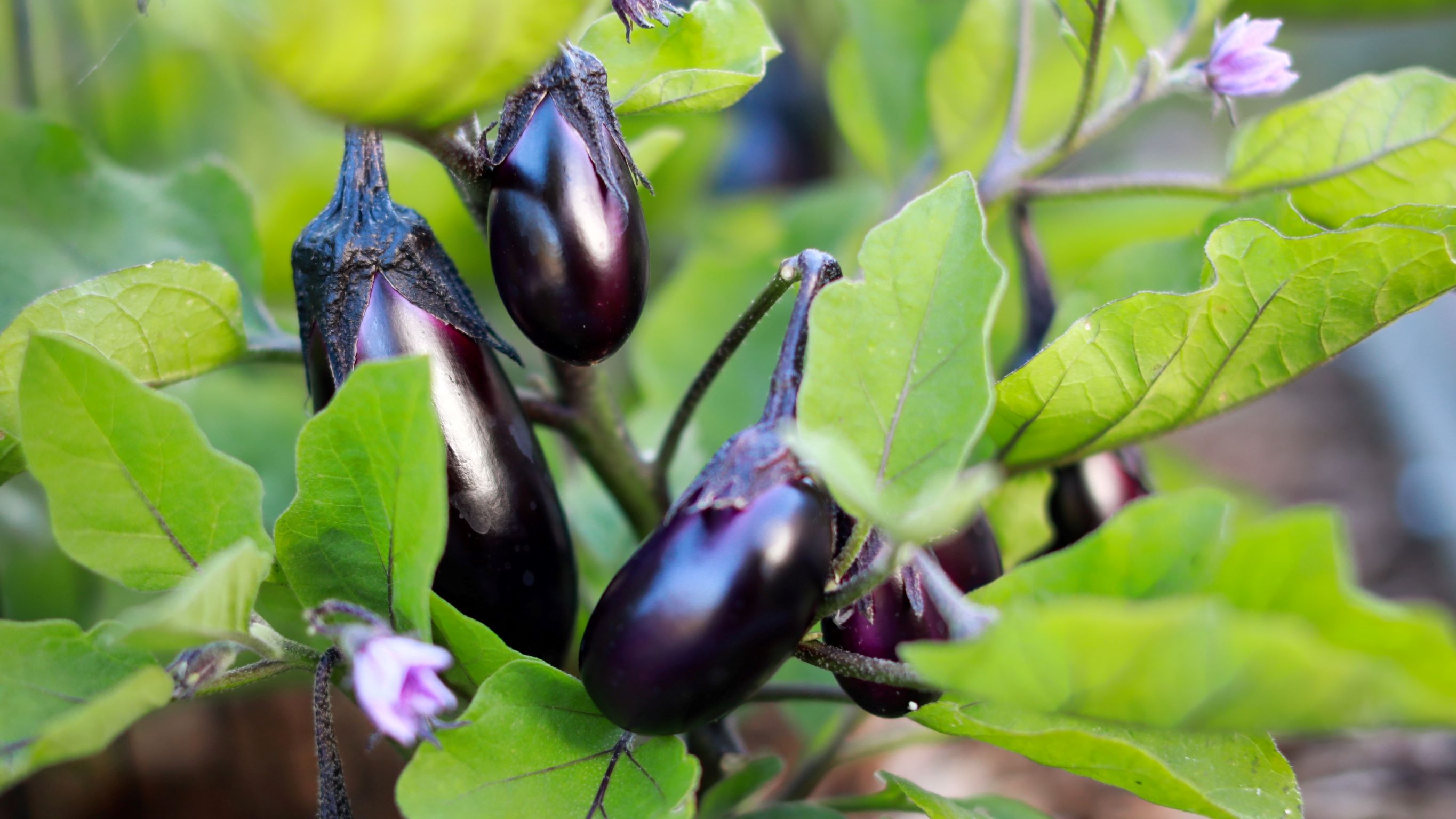
Beauty
Think of eggplant as beauty food, dressed in royal purple. Its anthocyanins act like a shield against everyday oxidative stress—the kind that can chip away at the look of firm, elastic skin over time. The high water content supports a fresh, hydrated appearance, while manganese helps your skin’s own antioxidant defenses work smoothly. A happy gut often shows up on your face, and eggplant’s fiber nourishes the microbiome that influences calm, clear-looking skin. Together with healthy fats (like extra-virgin olive oil in the same meal), this vegetable helps you build meals that are both glow-giving and deeply satisfying.
Culinary Uses
Eggplant excels at soaking up flavor and delivering it back in a silky, savory bite. Roast halves until the flesh collapses, then scoop and swirl with tahini, lemon, garlic, and olive oil for classic baba ghanoush. Dice and braise with tomatoes, zucchini, peppers, and herbs for ratatouille; or simmer with capers, olives, and a splash of vinegar for Sicilian caponata. Layer slices with tomato sauce and mozzarella for eggplant parmigiana. Go smoky and spiced with fire-roasted baingan bharta, or glaze Japanese eggplant with miso (nasu dengaku). It loves olive oil, garlic, onions, tomato, basil, oregano, thyme, mint, cumin, coriander, smoked paprika, chili, soy sauce, miso, sesame, tahini, yogurt, feta, pine nuts, and pomegranate molasses. For plush texture, cut, lightly salt, and pat dry before cooking; score thick slabs, brush generously with olive oil, and grill or roast until bronzed and tender. Choose eggplants that feel heavy for their size with taut, glossy skin, and cook until the interior is silky and custardy.
Health
Eggplant is a hydration-forward, fiber-rich vegetable that supports everyday wellness. Its deep purple skin concentrates anthocyanins—especially nasunin—alongside chlorogenic acid, both well-studied antioxidants that help neutralize free radicals and support healthy blood vessels and heart function. The fiber in eggplant helps keep digestion regular and feeds beneficial gut microbes, which in turn can support steady energy and comfortable fullness after meals. You’ll also find potassium (important for normal blood pressure), manganese (a cofactor for antioxidant enzymes), and small amounts of B vitamins that help your body turn food into usable energy. Low in calories yet satisfying, eggplant fits beautifully into balanced, plant-forward eating patterns associated with long-term metabolic and cardiovascular health.
Holistic
Originating in South and Southeast Asia and woven into Persian, Ottoman, and Mediterranean kitchens, eggplant (also called aubergine or brinjal) has long been celebrated for turning humble ingredients into deeply nourishing comfort. Historically, cooks valued its luxurious, velvety texture and the vitality signaled by its naturally purple pigments. Today, it remains a pillar of Mediterranean-style eating—an approach linked with longevity and overall wellbeing—offering a plant-forward way to build abundance, warmth, and balance on the plate.
Cucumber
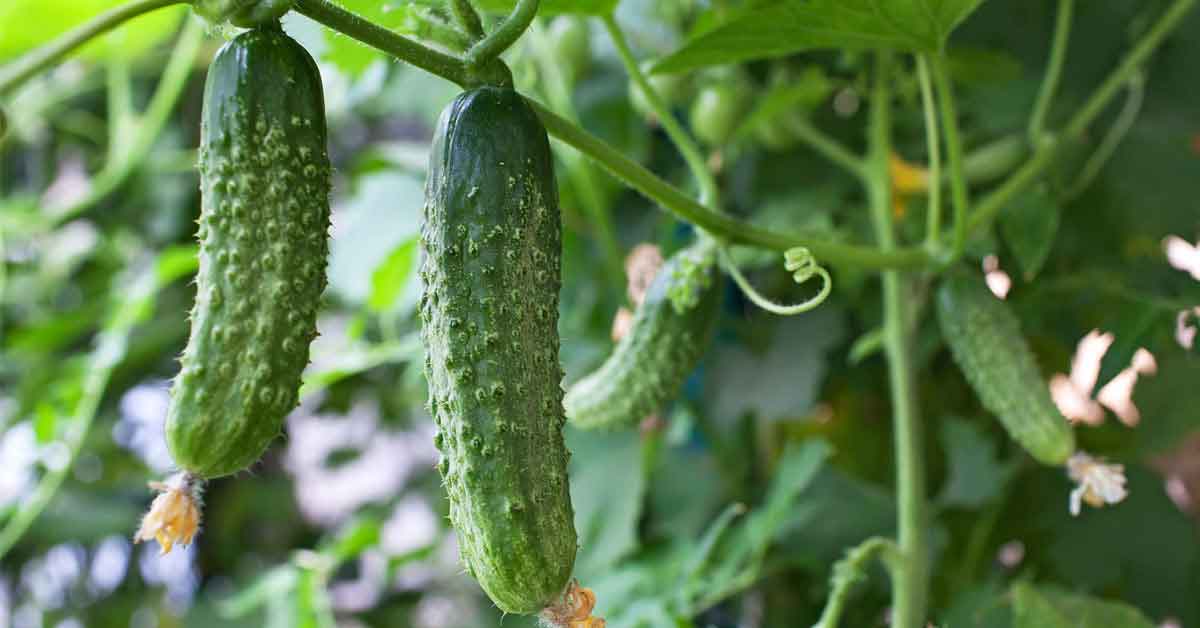
Beauty
Beauty begins with hydration, and cucumbers deliver it beautifully. Their high water content helps skin look plump and fresh from the inside out, while vitamin C contributes to the daily upkeep of collagen. Antioxidants in the peel and flesh help defend against the dulling effects of environmental stressors. Chilled cucumber slices have long been used to soothe puffiness around the eyes—thanks to their cool temperature and natural moisture—leaving a calm, refreshed look. Eat them often and you’re feeding your glow with clean, plant-based hydration.
Culinary Uses
Slice into salads and grain bowls for clean crunch and lift. Tuck spears into sandwiches and wraps, or pair with hummus, feta, smoked salmon, or sharp cheeses. Toss with yogurt, lemon, garlic, and dill for a quick tzatziki; stir with mint and cumin for cooling raita; or dress thin coins with rice vinegar, sesame, and a pinch of chili for a Japanese-style sunomono. Salt briefly to draw off excess moisture when you want extra snap. Make 10-minute refrigerator pickles with vinegar, sugar, and spices. Ribbon into “noodles,” blitz into chilled soups and aguas frescas, or float in sparkling water with lime. Cucumbers love citrus, tomatoes, olives, dill, mint, basil, soy, sesame, and a touch of heat.
Health
Cucumbers are crisp hydration in its most delicious form—about 95% water—supporting fluid balance with every bite. That water arrives with electrolytes like potassium (plus a touch of magnesium), which help muscles and nerves fire smoothly. They’re naturally low in calories and sugars, yet offer fiber—most of it in the peel—to keep digestion comfortable and steady. Vitamin K is a quiet star here, supporting normal blood clotting and bone health, while vitamin C and plant antioxidants help counter everyday oxidative stress. The result is a light, refreshing food that’s easy on blood sugar and surprisingly nourishing for its simplicity.
Holistic
Across traditional food cultures, cucumber is considered profoundly cooling—an antidote to hot days, spicy meals, and overworked systems. Originating in South Asia and cherished for millennia from the Middle East to the Mediterranean, it’s been served to restore calm, quench thirst, and gently encourage the body’s natural cleansing through its water-and-potassium blend. Think of it as a palate of green clarity: simple, balancing, and refreshing.
Corn

Beauty
From the inside out, corn offers subtle, real‑world glow. Its carotenoids (lutein and zeaxanthin) help defend skin against everyday oxidative stress—the same process that can dull tone and chip away at collagen. A touch of vitamin C contributes to collagen support, while B vitamins assist the energy needs of fast‑renewing tissues like skin and the scalp. Corn is also a natural source of ferulic acid—the beloved antioxidant often paired with vitamins C and E in skincare—known for its ability to bolster antioxidant defenses. Together, these nutrients help keep skin looking fresh, even‑toned, and resilient, and hair with natural vitality.
Culinary Uses
Fresh corn shines in countless forms. Grill ears in their husks for smoky sweetness, or char the kernels in a hot skillet to caramelize their natural sugars. Fold into salads with tomatoes, avocado, basil, and a squeeze of lime; toss with black beans, cilantro, and chili for a bright salsa; or stir into chowders and succotash. Off the cob, think creamed corn, fritters, corn pudding, and buttery skillet corn. Classic pairings include lime, chili, cotija or feta, scallions, cumin, smoked paprika, bacon or chorizo, and soft herbs like cilantro and chives. Beyond fresh: transform corn into masa for tortillas, tamales, and pupusas; grind for cornmeal to make cornbread, polenta, or grits; or pop it into a whole‑grain snack. Don’t toss the cobs—simmer them to make a subtly sweet broth that enriches soups, risottos, or even ice cream bases.
Health
Corn is whole‑food energy, wrapped in a golden package. A fresh ear delivers complex carbohydrates for steady fuel, along with fiber that supports healthy digestion and a diverse gut microbiome. Yellow kernels are naturally rich in carotenoids—especially lutein and zeaxanthin—antioxidants best known for nourishing the eyes. You’ll also find B vitamins like thiamin (B1) to help convert food into energy, plus folate for healthy cell turnover. Minerals such as magnesium and phosphorus support muscles and bones, while potassium helps maintain fluid balance. Cooked and cooled corn develops some resistant starch, which acts like a prebiotic to feed beneficial gut bacteria. In short: satisfying, gentle on the system, and quietly nutrient‑dense.
Holistic
For thousands of years, maize has been a cornerstone of life across the Americas—nourishment, culture, and craft in one plant. Traditional practices like nixtamalization (soaking corn in an alkaline solution) transform it, unlocking nutrients such as niacin and adding bioavailable calcium, turning humble kernels into sustaining foods like masa for tortillas and tamales. Holistically, corn is grounding: warm, comforting energy that brings people to the table. It’s a food of seasons—summer sweetness on the cob, slow comfort in winter porridges—and a reminder that simple, well‑prepared staples can be both deeply satisfying and deeply nourishing.
Cauliflower
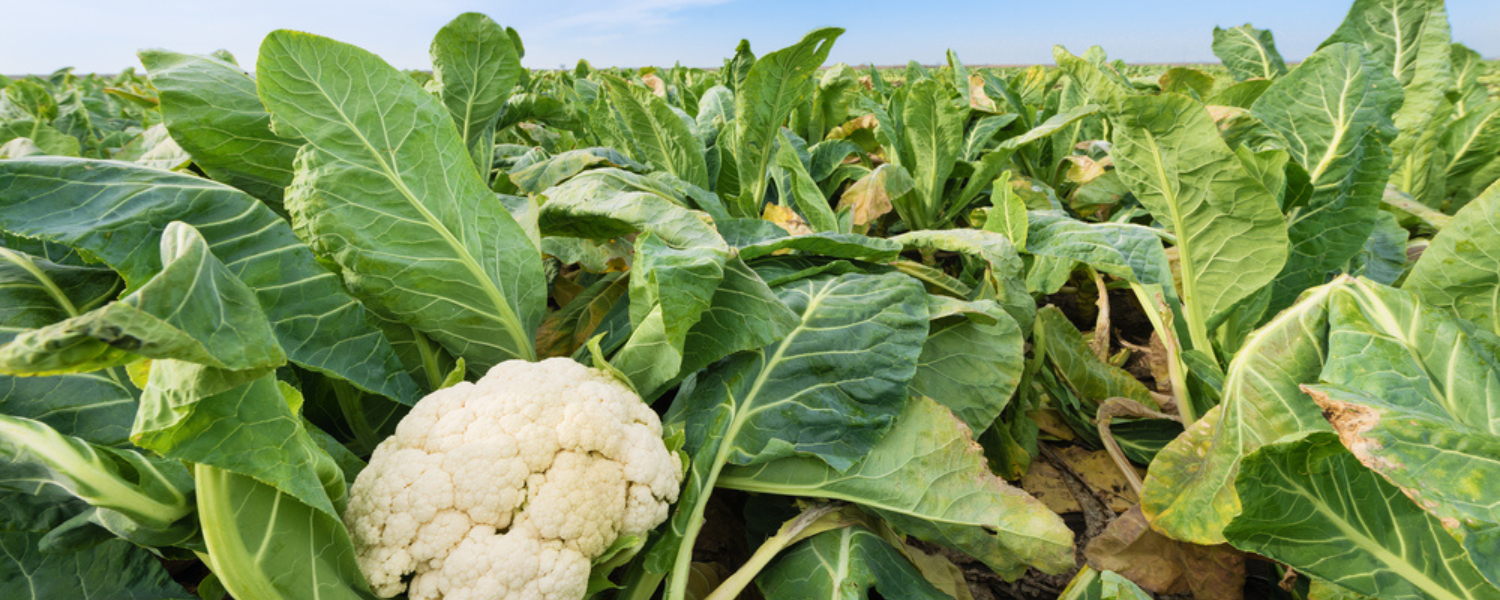
Beauty
Beauty begins in the kitchen, and cauliflower quietly does the kind of work your skin loves. Its vitamin C helps your body make collagen—the protein that keeps skin firm, smooth, and resilient—while antioxidants and sulfur-rich phytochemicals from crucifers support your skin’s defense against daily oxidative stress from sun and pollution. Cauliflower is naturally hydrating, and its folate supports healthy cell turnover, contributing to a fresh, even look. Choline nourishes cell membranes, which helps skin retain moisture and stay supple. The overall effect is subtle but real: a glow that looks like you’ve been sleeping well, drinking water, and spending time outdoors—only this time, your produce is doing some of the lifting.
Culinary Uses
Cauliflower is a culinary chameleon. Roast florets at high heat with olive oil, sea salt, and garlic until the edges caramelize, then finish with lemon zest and parsley. Slice thick steaks, sear in a hot pan, and spoon over chimichurri or tahini with toasted sesame. Pulse into rice for stir-fries, or steam and mash with roasted garlic and a splash of extra-virgin olive oil for a silky side. Purée into a velvety soup with onion and a hint of apple; bake into a gratin with Gruyère; or coat bite-size pieces with spices and roast for a crowd-pleasing snack. Cauliflower adores bold flavors: cumin, turmeric, and coriander; miso, soy, and sesame oil; capers, anchovy, and Parmesan; dill, mint, and pomegranate. Try it in classic spiced dishes, folded into grain bowls, tucked into tacos, or quick-pickled with vinegar and warm spices for crunch. Don’t overlook the core and leaves—they’re delicious roasted or simmered into stock, proof that this vegetable gives you something wonderful from tip to stem.
Health
Cauliflower is a nutrient-dense crucifer that delivers impressive benefits for remarkably few calories. It’s rich in vitamin C, which supports immune function and acts as a potent antioxidant, and provides vitamin K and folate to help with normal cell function. Its fiber feeds the beneficial bacteria in your gut, supporting regularity and the production of short-chain fatty acids that keep your microbiome thriving. You’ll also find choline, a key nutrient for healthy cell membranes and normal fat metabolism, along with potassium for everyday electrolyte balance. Like its Brassica cousins, cauliflower contains glucosinolates that, when chopped or chewed, form sulforaphane—a compound that supports the body’s own antioxidant defenses and natural detoxification enzymes. Pro tip: chop your cauliflower and let it rest a few minutes before cooking to maximize this conversion; adding a little mustard or watercress to cooked cauliflower can also reintroduce the myrosinase enzyme that helps this process. Low in starch yet deeply satisfying, cauliflower is a smart swap when you want steady, even energy from your meals.
Holistic
With roots in the Mediterranean and a renaissance in Italy before it swept across Europe and into global kitchens, cauliflower has long been treasured as a cool-season staple that brings comfort and balance to the table. Traditional cooks prized it for how gracefully it carried spices, herbs, and good olive oil, turning simple meals into something restorative. In many food cultures, cruciferous vegetables are embraced as cleansing foods; today’s science echoes that intuition, showing they support the body’s natural pathways for handling everyday byproducts of living. Holistically, cauliflower is the kind of ingredient that anchors a meal—satisfying yet light, versatile yet familiar—making it easier to build a plate that feels centered, vibrant, and nourishing.
Celery

Beauty
Beauty begins with hydration, and celery delivers it beautifully. Its high water content helps keep skin cells comfortably plump, while potassium supports your skin’s own fluid balance for a soft, supple look. Vitamin C contributes to normal collagen formation, the protein that keeps skin firm and resilient. Vitamin K plays its quiet role in maintaining an even-looking complexion, and celery’s plant antioxidants—luteolin and apigenin—help shield collagen and elastin from the oxidative stress that can dull your glow. The gentle fiber supports a well-functioning gut, and a contented gut often reflects outward as clearer, calmer-looking skin. Scalp and hair benefit, too: steady hydration and everyday micronutrients (including folate) support healthy cell turnover at the root, promoting a fresh, vibrant look. Think of celery as a daily, green-toned beauty boost—clean, crisp, and naturally glow-forward.
Culinary Uses
Use celery three ways: as crunch, as aroma, and as a bright green herb. Raw, it’s unbeatable—cut into sticks for hummus, tahini, or whipped feta; slice thinly into salads with apple, walnut, and blue cheese; or fold into tuna, chicken, or chickpea salads for lift and texture. In the pan, celery is a foundational aromatic: the backbone of mirepoix and soffritto for soups, stews, beans, risotto, and sauces. Cook it down until sweet, braise with olive oil, garlic, and lemon zest, or roast and grill for caramelized edges. It also shines quick-pickled with vinegar and chili for a zippy garnish. Don’t toss the leaves—treat them like an herb in salads, salsa verde, chimichurri, or a celery-leaf pesto. For a flavor pop, sprinkle celery salt over ripe tomatoes, eggs, or grilled fish. And if you like it in a glass, blend celery with apple, cucumber, ginger, and lime for a refreshing, garden-bright sip.
Health
Celery is crisp hydration with benefits. Each stalk is about 95% water and delivers natural electrolytes—especially potassium with a touch of sodium—helping maintain fluid balance, normal nerve signaling, and steady muscle function. Its gentle fiber (including soluble pectins) supports regularity and a healthy gut environment, while the satisfying crunch makes mindful snacking effortless. Celery is a notable source of vitamin K, essential for normal blood clotting and bone health, and it offers small amounts of folate that support everyday cell renewal. Beyond vitamins and minerals, celery supplies flavonoids like apigenin and luteolin plus vitamin C—antioxidants that help protect cells from oxidative stress and support a calm, balanced inflammatory response. It also contains naturally occurring nitrates that the body can convert into nitric oxide, a molecule involved in healthy circulation. Light, refreshing, and purposeful, celery earns its place as a daily, feel-good staple.
Holistic
Celery has a long, green thread through culinary and herbal history. Native to Mediterranean marshlands, it was prized by the ancient Greeks and Romans for its brisk aroma—woven into wreaths for athletes and used as an herb to refresh the senses. Across traditional herbal practices, celery seed in particular has been brewed as a tea or spice to support comfortable digestion and a light, unburdened feeling, and to encourage natural fluid balance. In modern wellness culture, many enjoy celery in the morning—juiced or simply munched—for its clean, clarifying character. However you approach it, celery carries an easy, centering quality: a cool, crisp note that signals freshness and a gentle reset, grounded in generations of everyday use.
Cabbage

Beauty
Beauty begins in the cells, and cabbage quietly delivers. Vitamin C is a co‑factor for collagen production, helping skin stay firm and springy while supporting everyday repair. The vegetable’s broad spectrum of antioxidants—including anthocyanins in red cabbage and flavonols like quercetin and kaempferol—helps neutralize free radicals from sun and city life that can dull skin and accelerate the look of fine lines. Its high water content contributes to hydration from within, and gentle fiber supports a balanced gut—often reflected as clearer, calmer skin. Lightly cooking in good fats (think olive oil) can make certain antioxidants more available, while raw, finely shredded cabbage brings a refreshing crunch that leaves you feeling light and luminous.
Culinary Uses
Versatile is an understatement. Shave it fine for slaws with lime, apple, and a touch of tahini or yogurt; tuck it into tacos or pile it beside grilled fish for bright crunch. Sauté it quickly with garlic and a splash of soy and sesame for a weeknight stir‑fry, or roast thick wedges at high heat until the edges char and the centers turn sweet and tender. Classic pairings include caraway or dill, mustard, bacon or smoked tofu, potatoes, apples, ginger, and vinegar. Think stuffed cabbage rolls with rice and herbs; brothy soups and stews; or quick pickles to cut through rich dishes. For slaws, toss the shreds with a pinch of salt and let them stand for 10 minutes to soften and release excess moisture, then dress. For maximum flavor and benefits, combine cabbage’s natural sweetness with acid and a little fat—the trio that makes this humble leaf sing.
Health
Cabbage is a crisp, cruciferous powerhouse that delivers impressive nourishment for very few calories. It’s rich in vitamin C to support immune function and tissue repair, vitamin K for normal blood clotting and bone metabolism, folate for healthy cell growth, and potassium for electrolyte balance. Its fiber feeds beneficial gut bacteria, promotes regularity, and helps smooth post‑meal blood sugar swings. Like its brassica cousins, cabbage contains glucosinolates; when you slice or chew it, enzymes transform these compounds into isothiocyanates and indoles that activate your body’s natural detoxification and antioxidant defenses. Red varieties add anthocyanins—vibrant pigments linked with cardiovascular and cognitive resilience. Enjoying cabbage raw or lightly cooked preserves heat‑sensitive vitamin C; if you plan to cook it, chop it first and let it rest for a few minutes so those protective compounds can form. Fermented versions such as sauerkraut and kimchi supply live cultures and postbiotics that support a diverse, resilient microbiome.
Holistic
Across generations and continents, cabbage has been a symbol of sturdy, everyday nourishment. Ancient Greeks and Romans praised it at the table; in Central and Eastern Europe it became a winter mainstay, thriving in cool weather and lending itself to slow braises and long‑keeping ferments. Sailors once carried barrels of sauerkraut to keep vitamin C on months‑long voyages. In folk kitchens, cabbage leaves were even applied as soothing poultices. Today, many reach for cabbage for its grounding, balancing qualities: crisp and revitalizing when raw; warm and comforting when simmered; and, when fermented, a living food that brings harmony to the gut and the plate.
Carrots
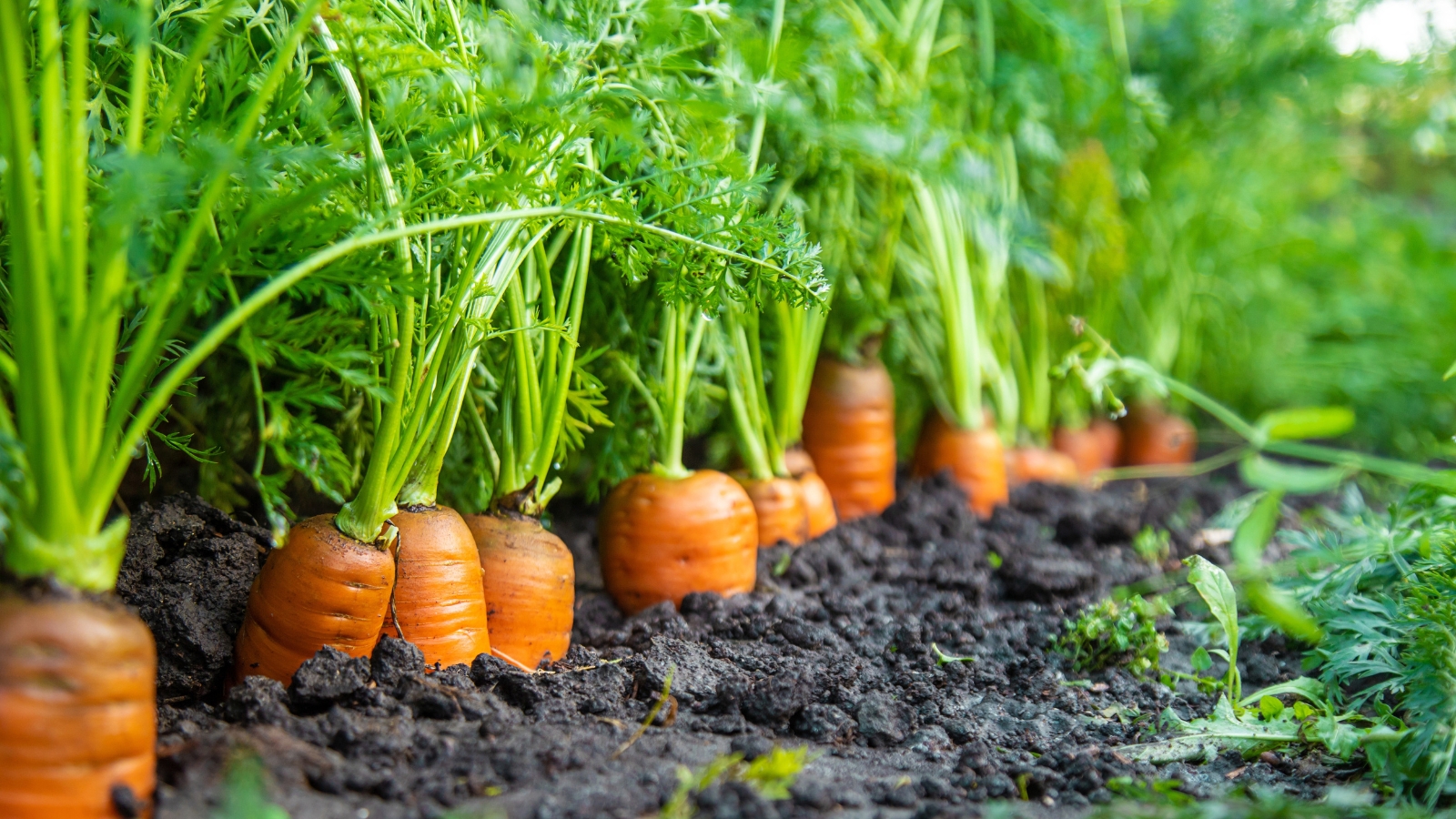
Beauty
From the inside out, carrots are a beauty ally. Their carotenoids accumulate in the skin, subtly enhancing natural glow and acting as antioxidants that help defend against everyday oxidative stress, including that triggered by sunlight. Provitamin A supports normal skin cell turnover for a smooth-looking complexion, while biotin contributes to healthy hair and nails. Naturally hydrating and low in sodium, carrots make a crisp, water‑rich snack; pair them with a source of healthy fat—think tahini, yogurt, or avocado—to help those skin‑loving carotenoids do their best work.
Culinary Uses
Carrots shine raw, roasted, braised, puréed, pickled, or juiced. Serve them as crisp batons for crudités; grate into slaws with lemon, olive oil, and fresh herbs; roast with olive oil, salt, and spices (try cumin or thyme) until caramelized, then finish with a squeeze of citrus, a drizzle of honey or maple, or a spoonful of yogurt; blend into silky soups with ginger, turmeric, or miso and a splash of coconut milk; glaze coin‑cut carrots by simmering with stock and butter until glossy; quick‑pickle thin rounds with vinegar, garlic, and dill; fold grated carrots into cakes, muffins, and pancakes for moisture and natural sweetness. They pair beautifully with ginger, orange, lemon, dill, parsley, mint, coriander, cumin, sesame, tahini, miso, chili, honey, maple, walnuts, pistachios, feta, and goat cheese. Tip: many phytonutrients live near the surface—scrub well and keep the peel when you can, and include a little healthy fat to help your body absorb carotenoids.
Health
Carrots are a concentrated source of beta‑carotene (provitamin A), the pigment your body converts into vitamin A to support clear vision, a resilient immune system, and the health of your skin and the lining of your mouth, lungs, and gut. They deliver both soluble fiber (notably pectin) and insoluble fiber to keep digestion regular, feed beneficial gut microbes, and help smooth post‑meal blood sugar swings. You also get vitamin K1 for normal blood clotting and bone health, potassium for fluid balance and healthy blood pressure, and protective antioxidants including lutein, zeaxanthin, and unique carrot compounds called polyacetylenes. Practical tip: chopping and gently cooking carrots with a little olive oil can increase the availability of carotenoids, making them easier for your body to absorb.
Holistic
First cultivated in Central Asia, carrots began in shades of purple and yellow; the now‑classic orange varieties were selected centuries later in the Netherlands. Across food traditions they’ve been prized as grounding and comforting—sweet enough to satisfy, sturdy enough to nourish through winter. Rainbow carrots bring a spectrum of plant compounds: orange is rich in beta‑carotene, yellow leans toward lutein, purple adds anthocyanins, and red offers lycopene. Whether simmered in a restorative broth, folded into a celebratory salad, or enjoyed out of hand for their clean crunch, carrots deliver color, balance, and a quiet sense of wellbeing in one humble root.
Broccoli Rabe

Beauty
Think of broccoli rabe as a beauty editor’s secret: a leafy green that works from the inside out. Vitamin C is a cornerstone for collagen production, helping skin look firm and luminous, while beta-carotene supports smooth, healthy cell turnover for an even, fresh-looking complexion. Its antioxidant carotenoids (including lutein and zeaxanthin) help buffer skin from everyday environmental stressors, supporting a naturally radiant tone. Folate and plant-based iron contribute to the steady renewal of fast-growing cells—like those in your hair and nails—while minerals and hydration from its high water content help keep skin looking plump and refreshed. The cruciferous compounds in broccoli rabe also support the body’s normal inflammatory balance, which can translate to a calmer, more comfortable look and feel.
Culinary Uses
Broccoli rabe shines when treated simply. Trim the ends, split any thick stems, and blanch briefly in well-salted, boiling water until just tender. From there, sauté with extra-virgin olive oil, plenty of garlic, and a pinch of red pepper flakes; finish with lemon zest and a shower of Pecorino Romano. Classic pairings include orecchiette pasta, Italian sausage, anchovy, cannellini beans, olives, and sun-dried tomatoes. It’s excellent on pizza or focaccia, folded into frittatas, tucked into panini, stirred into brothy soups, or blitzed into a vivid pesto with parsley and toasted nuts. For grilling, toss whole stalks with olive oil and char until the florets crisp at the edges. To temper bitterness while keeping character, always season generously, lean on citrus and umami (anchovy, Parmesan), and use good olive oil. The result is a vibrant, savory-green counterpoint that makes rich dishes sing and lighter plates feel complete.
Health
Broccoli rabe is a nutrient-dense brassica that delivers serious wellness per bite. It’s loaded with vitamin K to support strong, resilient bones; vitamin C for immune defense and antioxidant protection; and beta-carotene (a form of vitamin A) for healthy vision and mucosal barriers. Its folate supports normal cell repair and renewal, while potassium helps maintain healthy blood pressure. The fiber in broccoli rabe feeds your gut microbiome, which in turn produces short-chain fatty acids that support a healthy gut lining and balanced immunity. Like other cruciferous vegetables, it’s rich in glucosinolates that convert to isothiocyanates—compounds known to activate the body’s own antioxidant and detoxification pathways. You’ll also find lutein and zeaxanthin, carotenoids that concentrate in the eyes and help defend against everyday oxidative stress. Together, these nutrients make broccoli rabe a clean, green way to nourish your heart, bones, digestion, and overall vitality.
Holistic
For generations across Southern Italy—where it’s known as cime di rapa—broccoli rabe has been a quintessential bitter green, prized for its fortifying, back-to-basics goodness. In traditional Mediterranean kitchens, bitter foods were favored to wake up the appetite and support digestion before a meal. That instinct dovetails with modern understanding: bitter compounds naturally stimulate saliva and digestive secretions, setting the stage for comfortable, satisfying eating. Cooked simply with olive oil, garlic, and a sprinkle of chili, broccoli rabe embodies the holistic wisdom of balance—pairing a clean, leafy bitterness with good fats and aromatics to create a meal that feels grounding, energizing, and deeply nourishing.
Bok Choy
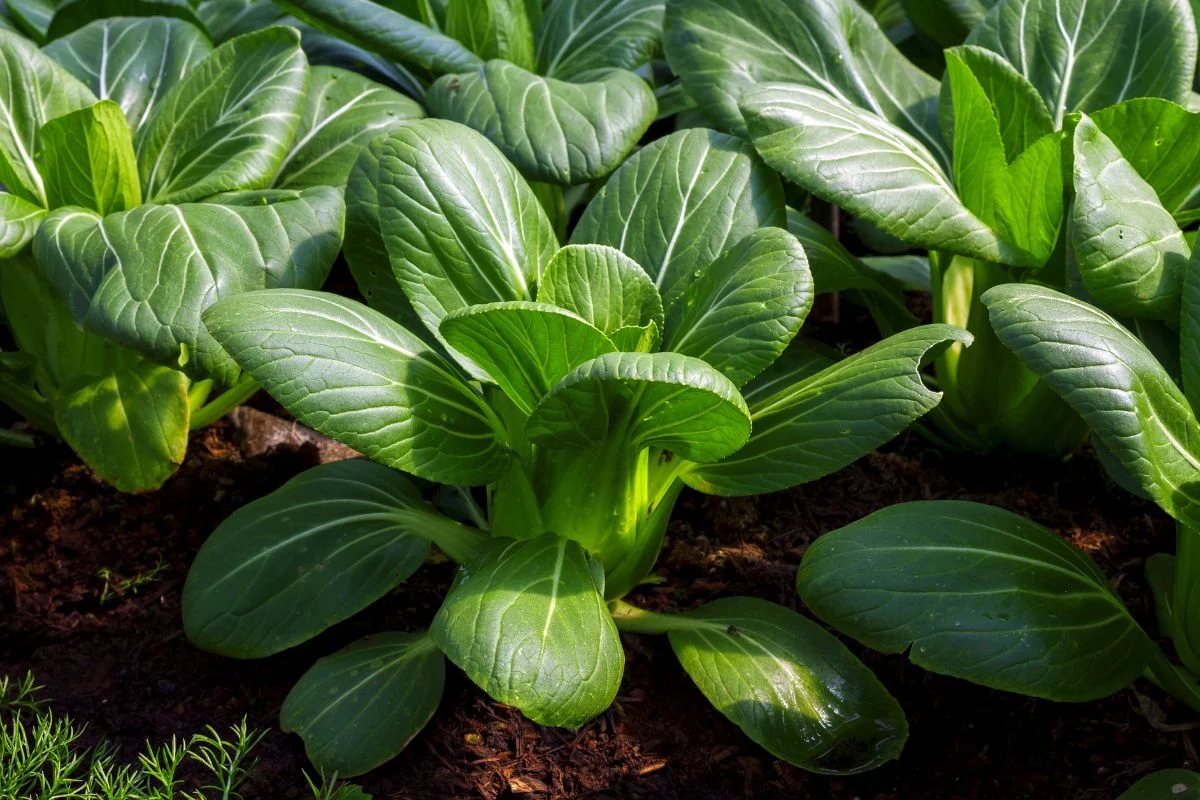
Beauty
Think of bok choy as a daily beauty tonic tucked into your dinner. Its vitamin C supports collagen synthesis—the scaffolding that keeps skin firm and smooth—while carotenoids, lutein, and zeaxanthin lend antioxidant support that helps defend skin from everyday oxidative stress. The vegetable’s high water content adds a refreshing hit of hydration to meals, and its folate supports healthy cell renewal, which is essential for a fresh-looking complexion. Together with a sprinkle of minerals and plant antioxidants, bok choy helps nourish skin and scalp from the inside out, promoting a natural, energized glow.
Culinary Uses
Bok choy shines when you respect its two textures: cook the crunchy stalks first, then fold in the delicate leaves at the end. For a quick stir-fry, heat oil until shimmering, add garlic and ginger, toss in sliced stalks for 2–3 minutes, then finish with the leaves for 30–60 seconds and a splash of soy sauce, rice vinegar, or oyster sauce. Halved baby bok choy sears beautifully—char cut-sides in a hot pan and glaze with miso-butter or sesame-soy. It’s superb in soups and noodles (ramen, wonton, pho-inspired bowls), steamed and drizzled with chili crisp, or grilled and finished with lemon and toasted sesame. Raw, it brings snap to salads and slaws; thinly slice and dress with citrus, sesame oil, and a pinch of salt. Classic pairings include garlic, ginger, scallions, mushrooms, tofu, shrimp, chicken, chili, sesame, soy, and citrus. Rinse well between the stalks, slice, let rest a few minutes to develop flavor-boosting compounds, and keep the cook quick to preserve its emerald color and lively crunch.
Health
Bok choy is a crisp, hydrating member of the cruciferous family, prized for delivering a remarkable amount of nutrition with very few calories. It’s naturally rich in vitamin C to support immune function and collagen formation, vitamin K for normal blood clotting and bone metabolism, and provitamin A carotenoids that the body converts to vitamin A for vision and cellular health. You’ll also find folate for healthy cell turnover, potassium for fluid and electrolyte balance, and gentle fiber that helps keep digestion regular while feeding a healthy gut microbiome. Like other brassicas, bok choy contains glucosinolates—plant compounds that, when chopped and allowed to rest briefly, convert into beneficial isothiocyanates. A practical tip: slice or shred your bok choy and let it sit for 5–10 minutes before cooking to allow this natural enzyme activity to occur. Pairing bok choy with a touch of healthy fat (think sesame oil or olive oil) helps your body absorb its fat-soluble nutrients, including carotenoids and vitamin K.
Holistic
For centuries across East Asia, bok choy has been a quiet staple—slipped into broths, wok-seared with aromatics, and served alongside richer dishes to bring balance and lightness to the table. In traditional foodways it’s appreciated for its gentle, refreshing character: crisp white stalks, tender emerald leaves, and a subtly sweet, clean flavor that feels restorative. As a daily “food as medicine” vegetable, it embodies the idea that consistent, simple choices—like a bowl of soup dotted with bok choy—can help the body feel clear, balanced, and well-nourished.
Brussels Sprouts

Beauty
Beauty loves Brussels sprouts for their skin-smart nutrients. Vitamin C is a cornerstone for firm, springy skin because it’s required for collagen formation, while antioxidants (vitamin C, carotenoids, and flavonoids) help defend against the dulling effects of environmental stress. Folate supports healthy cell turnover, which keeps skin looking fresh. These little greens also provide manganese and other trace minerals that serve as cofactors for antioxidant enzymes—internal support for a clear, calm complexion. Their plant-based omega-3 (ALA, in modest amounts) and polyphenols complement a glow-forward routine, and the vitamin C they bring to the plate helps you absorb iron from the rest of your meal—an often-overlooked detail that supports healthy hair.
Culinary Uses
Brussels sprouts thrive on contrast: high heat and a touch of sweetness, bright acidity with a bit of richness. Halve or quarter and roast at a high temperature until the edges caramelize; finish with lemon zest, a drizzle of balsamic or maple, and a shower of toasted nuts. Shave them thin for a crisp slaw with olive oil, Dijon, lemon, and Parmesan or pecorino. Pan-sear cut sides in a hot skillet until deeply browned, then toss with garlic, chili, and a splash of vinegar. They play beautifully with: citrus (lemon, orange), apples or pears, pomegranate, bacon or pancetta, anchovy, capers, mustard, miso, soy, sesame, brown butter, blue cheese, and aged cheeses. Try them grilled on skewers, folded into grain bowls, tucked into frittatas, or scattered over pizza. For best texture, don’t overcrowd the pan when roasting, and mix in a handful of loose leaves for irresistibly crisp, chip-like bits.
Health
Brussels sprouts are tiny powerhouses of nourishment. They deliver fiber for steady digestion and a satisfied, balanced appetite, plus a spectrum of micronutrients your body uses every day. Vitamin C supports immune function and helps your body make collagen; vitamin K contributes to strong bones and healthy blood clotting; folate supports cell renewal; and potassium helps maintain fluid balance and normal blood pressure. As members of the cruciferous family, they’re rich in glucosinolates that, when chopped and chewed, form compounds such as sulforaphane and indole-3-carbinol—well-studied for supporting your body’s natural detoxification enzymes and antioxidant defenses. Add in carotenoids, vitamin C, and flavonoids like kaempferol, and you have a vegetable that helps counter everyday oxidative stress. For an extra phytonutrient boost, slice or shred them and let them rest a few minutes before cooking to allow those protective compounds to form.
Holistic
Rooted in European tradition and named for Brussels, this cool-season vegetable has long been a symbol of winter vitality—compact clusters of green packed with life. In many food cultures, bitter brassicas are enjoyed alongside richer dishes to create balance; that gentle bitterness signals the presence of protective plant chemistry and invites mindful, thorough chewing. From a holistic perspective, Brussels sprouts nourish resilience: their sulfur-rich aroma hints at compounds that support the body’s natural cleansing and renewal pathways, while their sturdy, leafy structure reflects the kind of steady, grounding nourishment that suits shorter days and heartier fare.
Broccoli

Beauty
Beauty starts in the produce aisle, and broccoli is a quiet star. Vitamin C is the key co‑factor your body uses to build collagen—the protein that keeps skin supple and resilient—while carotenoids such as lutein and beta‑carotene help shield skin from oxidative stress that can dull tone and accelerate visible aging. Sulfur-containing compounds in broccoli provide building blocks for keratin, the structural protein in hair and nails, and its natural antioxidants help calm the look of redness from environmental exposure. With high water content and a spectrum of nutrients, broccoli supports a fresh, lit‑from‑within look from the inside out.
Culinary Uses
Broccoli thrives with bold seasoning and quick, bright cooking. Use the whole vegetable—florets, peeled stalks, even the tender leaves. For crisp‑tender florets, steam or blanch in salted water, then finish with olive oil, lemon, and a pinch of sea salt. Roast at high heat until the edges char and turn sweet; shower with Parmesan or toasted almonds. Stir‑fry with garlic, ginger, and a splash of soy or oyster sauce; or toss warm florets with chili flakes, anchovy, and lemon zest for a bracing side. Shave raw stalks into slaw, blitz into a pesto with basil and walnuts, fold into frittatas, or whirl into silky soups. Classic pairings: olive oil, butter, lemon, vinegar, chili, sesame, tahini, miso, capers, anchovy, nuts, and hard cheeses. Tip for the nutrient enthusiasts: add a sprinkle of crushed mustard seed or a few raw florets to cooked broccoli to reintroduce the myrosinase enzyme that supports sulforaphane formation.
Health
Broccoli is a compact powerhouse of nutrients your body immediately recognizes and uses. Each bite brings vitamin C to support immune function and collagen formation, vitamin K for healthy bones, folate for cell renewal, and potassium to help keep fluid and energy balance steady. Its fiber feeds your gut microbiome, supporting comfortable digestion and naturally helping you feel full and energized. Beyond vitamins, broccoli is rich in protective plant compounds: glucoraphanin (which your body converts to sulforaphane when you chop and chew), indole-3-carbinol, and flavonoids like kaempferol. Together they support your cells’ own detox and antioxidant defenses, helping your body handle everyday stressors with grace.
Holistic
For centuries—ever since it was cultivated along Italy’s Mediterranean coast—broccoli has been embraced as a clean, green counterbalance to rich meals. Cooks instinctively paired it with olive oil, garlic, and lemon to create a sense of lightness and renewal. Today, we understand why those traditions endure: the gentle bitterness of brassicas wakes up the palate, while their phytonutrients help the body’s natural housekeeping processes hum along. A simple holistic ritual: chop broccoli and let it rest a few minutes before cooking to allow its own enzymes to activate sulforaphane, then enjoy it mindfully as a vibrant, restorative green on the plate.
Bell Peppers
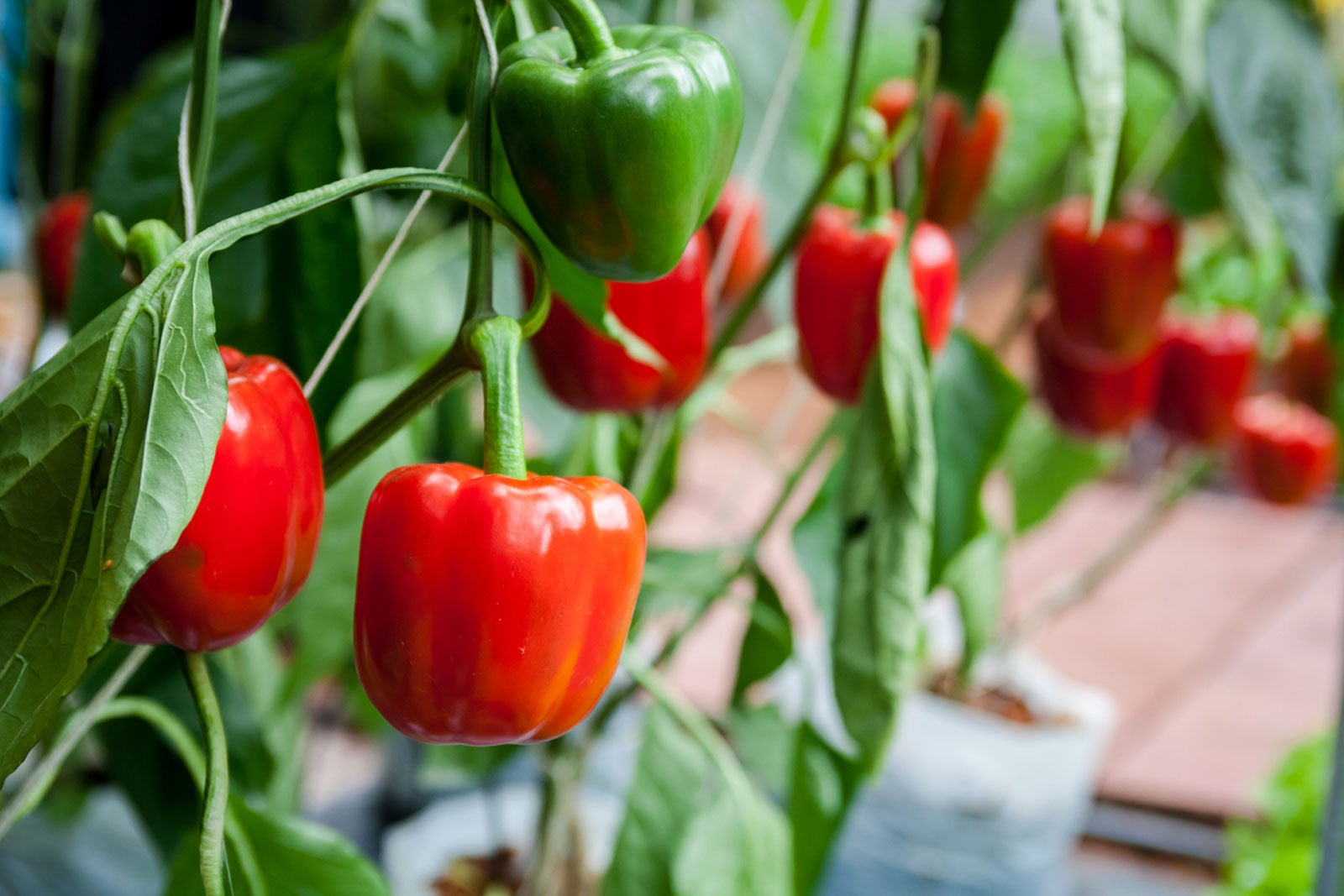
Beauty
Think of bell peppers as beauty food with crunch. Vitamin C drives collagen production, the foundational protein that keeps skin firm and resilient, while also helping protect against the dulling effects of environmental stress. Carotenoids lend more than color; they accumulate in the skin and help neutralize oxidative stress from sun and pollution, supporting a more even tone and healthy-looking glow. Vitamin E safeguards the lipids in cell membranes, helping skin stay smooth and supple. Their high water content adds natural hydration, so your complexion looks fresh, not flat. For hair, vitamin C’s role in iron absorption supports oxygen delivery to follicles, and B6 supports normal protein metabolism—the groundwork for strong strands. Lutein and zeaxanthin further support eye comfort and clarity, keeping the whites bright and the gaze vibrant.
Culinary Uses
Slice them raw for salads and snack boards, or tuck strips into sandwiches and wraps for sweetness and crunch. Char or broil until blistered, steam under a bowl, then peel—roasted red peppers become silky additions to pasta, grain bowls, and antipasti. Blend them into classic sauces like romesco or muhammara, fold into shakshuka or ratatouille, or sauté with onions for fajitas, jambalaya, and stir‑fries. They’re ideal for stuffing—try quinoa and herbs, rice and beans, or a savory turkey mixture—then bake until tender. Quick tip: add peppers toward the end of a sauté to keep their snap, or cook them low and slow with olive oil and garlic for sweetness. Pair with tomatoes, onions, citrus, basil, parsley, cilantro, olives, capers, feta, goat cheese, chickpeas, or grilled fish and chicken. A splash of vinegar or lemon wakes up their natural sweetness; a pinch of cumin or smoked paprika brings warmth.
Health
Bell peppers are a crisp, hydrating source of vital nutrients. A single red pepper can deliver more than a day’s worth of vitamin C—key for immune support, iron absorption from plant foods, and the collagen your body uses to build and repair tissues. They also provide carotenoids such as beta‑carotene, lutein, zeaxanthin, and capsanthin (especially in red peppers), which act as antioxidants and support healthy vision. You’ll find vitamin B6 and folate for energy metabolism, vitamin E to protect cell membranes, potassium for fluid balance, and around 2 grams of fiber per cup with very few calories. Green peppers are simply the earlier, less‑ripe stage; as they mature to yellow and then red, sweetness increases and antioxidant levels rise. All colors add water, crunch, and nutrient density to your plate—an easy everyday way to “eat the rainbow.”
Holistic
Native to the Americas and carried worldwide in the 16th century, sweet peppers quickly became a cornerstone of comfort cooking—think the Cajun‑Creole “holy trinity” (pepper, onion, celery) or Mediterranean stews where peppers bring color, aroma, and lift. Holistically, they embody the simple wisdom of eating with the seasons and the senses: crisp, juicy, and naturally sweet, they make nourishing meals feel light and joyful. Their colors signal slightly different blends of plant pigments—greens are brisk and grassy; yellows and oranges sun‑bright; reds deeply sweet and antioxidant‑rich—inviting you to build variety without overthinking it. In many food traditions, peppers are used at the start of a dish, gently cooked to release aromas that ground the body and soothe the mind—a small daily ritual that turns ingredients into comfort.
Beets

Beauty
Skin thrives on circulation and antioxidants, and beets offer both. Nitrate‑derived nitric oxide encourages microcirculation, bringing oxygen and nutrients to the skin’s surface for a healthy, luminous look. Betalain antioxidants help neutralize free radicals that can stress collagen and dull tone, while folate supports brisk cell turnover for smoother‑looking skin and resilient nails. A touch of vitamin C contributes to collagen formation, and gentle amounts of iron support oxygen delivery to the scalp for hair vitality. With naturally hydrating water content and potassium to help regulate fluid balance, beets can also help minimize the look of puffiness.
Culinary Uses
Roast whole beets until tender, then slip off the skins and slice into salads with goat cheese, oranges, toasted walnuts, and a drizzle of balsamic. Grate them raw into a crisp slaw with apple, lemon, and olive oil. Simmer into a silky soup with dill and a spoon of yogurt, or blitz into hummus with tahini and garlic for a vivid spread. Quick‑pickle cooked slices with vinegar, mustard seed, and peppercorns for sandwiches and grain bowls. They pair beautifully with citrus, fennel, avocado, arugula, mint, dill, parsley, and chives; cheeses like feta and goat; nuts such as pistachios, hazelnuts, and walnuts; grains like farro, barley, and quinoa; and spices including cumin, coriander, caraway, and star anise. Roast a batch on the weekend to tuck into salads, omelets, tacos, and bowls all week.
Health
Beets are naturally rich in dietary nitrates that your body converts into nitric oxide, a messenger that helps blood vessels relax and supports smooth, efficient circulation. That translates to steadier stamina, sharper focus, and support for healthy blood pressure. They also deliver folate (vitamin B9) for DNA synthesis and cell renewal, potassium to balance sodium and keep nerves and muscles firing on cue, and fiber to feed beneficial gut microbes and promote comfortable regularity. Their deep crimson pigments, called betalains, act as antioxidants that temper everyday oxidative stress and exercise‑related inflammation. Beets also provide betaine (trimethylglycine), a methyl donor that supports normal homocysteine metabolism as part of heart‑smart nutrition.
Holistic
Across the Mediterranean, where beets originated, this earthy‑sweet root has long been a staple of nourishing, restorative cooking. In Eastern Europe it anchors borscht, a deeply colored soup served hot or cold and cherished as comfort food through long winters. Traditional Slavic kitchens also ferment beets into kvass, a tangy, ruby‑red tonic sipped alongside meals. Many food cultures have intuitively linked their vivid hue with vitality, celebrating beets as a strengthening, life‑affirming food. Today, that heritage meets modern science: the same pigments and plant compounds that gave beets their old‑world reputation are recognized for antioxidant activity and circulatory support.
Beans

Beauty
Beauty benefits begin at the cellular level. Bean-sourced protein supplies amino acids your body uses to build keratin for strong hair and nails and to maintain skin structure. Folate supports healthy cell turnover for a smoother, more even look, while iron helps deliver oxygen for a natural, lit-from-within glow. Minerals such as zinc support skin repair, and copper is a cofactor for collagen cross-linking and healthy pigmentation. Their polyphenol antioxidants help counter everyday oxidative stress, and fiber’s support of the gut microbiome is linked to calmer, clearer-looking skin from the inside out.
Culinary Uses
Keep both dried and canned beans in the kitchen and you’re never far from a satisfying meal. Simmer dried beans with onion, garlic, bay leaf, and olive oil until tender, then finish with a splash of lemon or vinegar to make the flavors sing. Tuck them into tacos and burritos, fold into grain bowls, swirl into soups, stews, and chilis, or toss into salads with citrus and herbs. Mash into silky dips and spreads—think hummus or white-bean puree—or pan-crisp cooked beans in olive oil with garlic and rosemary for a golden, crunchy topping. Classic pairings include cumin and smoked paprika, oregano and thyme, tomato and chili, cilantro and lime, and the timeless duo of beans and rice. For a quick win, drain a can, warm with good olive oil and spices, and finish with fresh herbs and crumbled cheese.
Health
Beans are nature’s trifecta of plant protein, fiber, and slow-release carbohydrates. A typical cooked cup delivers double-digit grams of both protein and fiber, helping you feel full, steady your energy, and support lean maintenance. Their soluble fiber binds cholesterol-rich bile in the gut, which can help lower LDL, while potassium and magnesium support healthy blood pressure. Prebiotic fibers and resistant starch feed beneficial gut bacteria, producing short-chain fatty acids that nourish the colon and support whole-body wellness. Beans are also rich in folate for red blood cell formation, iron for oxygen transport, and minerals like magnesium and zinc that aid metabolism and immune function. Together, these qualities make beans a cornerstone for heart, gut, and metabolic health.
Holistic
Across cultures, beans have long stood for sustenance and longevity, a humble staple shared by many long-lived communities. Traditional pairings like rice and beans or tortillas and beans elegantly combine complementary amino acids, turning simple ingredients into a complete protein. Generations of cooks have soaked and slow-simmered beans with aromatics—bay, garlic, onion, cumin—for the soothing ritual of a warm, nourishing pot that anchors the day. From the Three Sisters fields of the Americas to Mediterranean pots of chickpeas and herbs, beans carry a heritage of comfort, thrift, and steady energy.
Asparagus

Beauty
From a beauty standpoint, asparagus is like a glass of water for your skin: crisp, hydrating, and loaded with antioxidants. Vitamin C supports natural collagen formation for firm, resilient skin, while vitamin E and carotenoid compounds help neutralize free radicals from sun and pollution before they dull your glow. Folate supports healthy cell turnover—useful for a smooth, even-looking complexion—and the vegetable’s prebiotic fiber nourishes the gut-skin connection that many experts now consider central to radiance. Its anti-inflammatory flavonoids, including quercetin and kaempferol, help calm the look of redness after a long day. With B vitamins that fuel fast-growing cells, asparagus also supports the appearance of strong hair and nails over time.
Culinary Uses
Think vibrant and quick. Trim or snap off the woody ends; peel thicker spears. Roast at high heat with olive oil, salt, and pepper until crisp-tender; finish with lemon and Parmesan. Grill or griddle for a smoky char, then top with a soft-poached egg or a spoon of herb salsa verde. Blanch 2–3 minutes until bright green for salads, grain bowls, and crudité platters. Shave raw into ribbons and toss with lemon, olive oil, and shaved Pecorino for a crisp salad. Fold into risotto, pasta with peas and mint, frittatas, or spring soups puréed with a touch of yogurt. Classic pairings: butter or olive oil, garlic, lemon, eggs (hollandaise), prosciutto, fresh herbs (tarragon, chives, dill, mint), nuts (almonds, hazelnuts), and aged cheeses.
Health
Asparagus is a nutrient-dense spring spear packed with fiber, folate (vitamin B9), vitamin K, and potassium. Its mix of soluble and prebiotic fibers, including inulin, feeds beneficial gut bacteria, supporting comfortable digestion and steady energy. Folate helps your body make new cells and supports heart health by helping keep homocysteine in check. Vitamin K supports strong bones and normal clotting, while potassium balances sodium to support healthy blood pressure and muscle function. Asparagus is also rich in protective antioxidants—glutathione along with flavonoids like quercetin and kaempferol—that help defend cells from everyday oxidative stress. Naturally low in calories and high in water, it delivers satisfying volume with very little energy, making it easy to fill half your plate with vegetables. Many people also appreciate asparagus for its gentle support of fluid balance, thanks to its potassium and the amino acid asparagine.
Holistic
For centuries, asparagus has been a herald of spring and renewal. The ancient Greeks and Romans prized it for both flavor and lightness, and European herbal traditions regarded it as a gentle spring tonic that supports the body’s natural fluid balance. In royal France, it was cultivated in hothouses so it could be enjoyed year-round, a testament to its status as a delicacy. Today, many people still see the first local spears as an invitation to reset—simple, clean cooking that feels uplifting after winter. Holistically, it’s a vegetable that invites mindfulness: the satisfying snap as you trim it, the brief cooking that preserves its vitality, the bright green color signaling freshness and energy on the plate.
Arugula

Beauty
Think of arugula as a glow leaf. Its vitamin C supports collagen synthesis for supple, resilient skin, while beta-carotene and other carotenoids accumulate in tissues to help defend against oxidative stress from environmental exposure. Lutein and zeaxanthin add a layer of photoprotective support from within, encouraging a more even, luminous look. The Brassica-born isothiocyanates help temper inflammatory pathways, which translates to a calmer, balanced-looking complexion. And because arugula’s natural nitrates support healthy microcirculation, skin appears fresher and more vibrant—like a good night’s sleep on a plate. Nutrients that aid cellular turnover, including folate, also support strong-looking hair and nails from the foundation up.
Culinary Uses
Arugula brings a lively, peppery lift to almost anything. Toss it with lemon juice, extra-virgin olive oil, sea salt, and shaved Parmigiano-Reggiano for a classic salad, or pair it with sweet counterpoints like pears, peaches, figs, or roasted beets. It loves company with prosciutto, grilled steak or chicken, salmon, and shrimp; with cheeses like burrata, goat cheese, and feta; and with nuts—walnuts, almonds, or pine nuts. Fold it into warm grains (farro, quinoa) just before serving, tumble it onto pizza after baking, or blitz it into a pesto or salsa verde with lemon and anchovy for a boldly green sauce. Add a handful to omelets and sandwiches, or scatter it as a fresh bed under roasted vegetables and fish. Baby arugula is delicate and sweetly peppery; mature leaves are bolder and best with rich, savory pairings. Dress or add heat at the last moment to keep its color bright and its bite intact.
Health
Peppery and vibrant, arugula is a small leaf with serious nutritional heft. It delivers vitamin K for strong, well-maintained bones, alongside vitamin A (as carotenoids) and vitamin C to support immune function and cellular repair. Naturally occurring nitrates in arugula are converted to nitric oxide, which helps blood vessels relax—supporting healthy circulation and endurance. As a member of the Brassica family, it contains glucosinolates that convert into isothiocyanates (such as erucin), compounds known to activate the body’s antioxidant defense systems. Lutein and zeaxanthin help shield the eyes from oxidative stress, while fiber and water content support comfortable digestion and steady energy. Potassium, calcium, and magnesium contribute to fluid balance, nerve signaling, and muscle function—proof that a handful of leaves can underpin an entire day’s wellness.
Holistic
In the Mediterranean—where it’s known as rucola or rocket—arugula has long been prized as a leaf of vitality. Ancient Romans celebrated its peppery bite and even considered it an herb of passion. Traditional foodways use bitter greens like arugula to “wake” digestion, priming the palate and supporting the body after richer meals. Across parts of the Middle East and North Africa, seeds of Eruca sativa have been pressed into a pungent oil historically used for skin and scalp care. Today, arugula still carries that holistic spirit: a cleansing, lively green that signals spring, balance, and renewal every time it hits the plate.