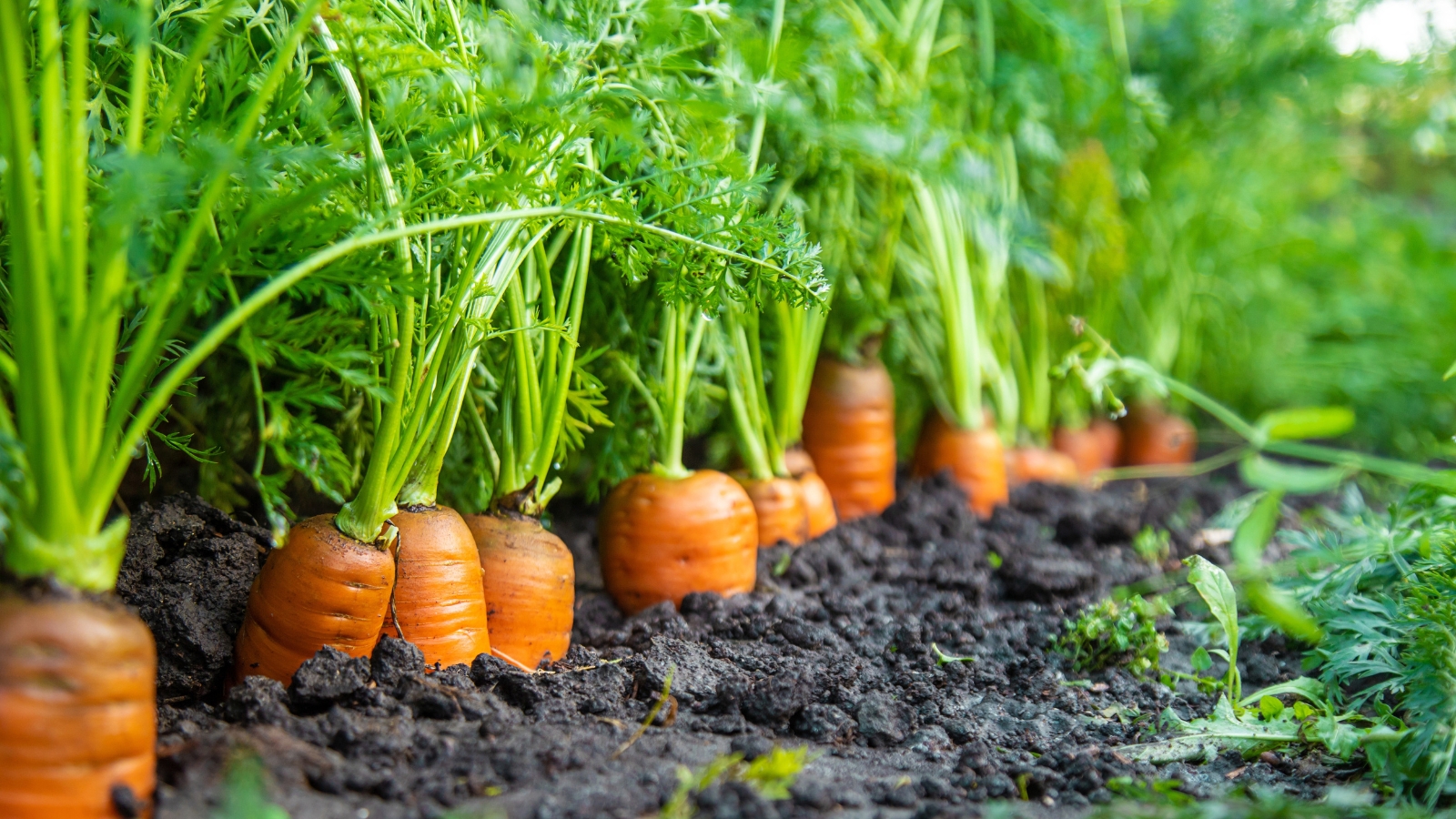
Carrots
Beauty
From the inside out, carrots are a beauty ally. Their carotenoids accumulate in the skin, subtly enhancing natural glow and acting as antioxidants that help defend against everyday oxidative stress, including that triggered by sunlight. Provitamin A supports normal skin cell turnover for a smooth-looking complexion, while biotin contributes to healthy hair and nails. Naturally hydrating and low in sodium, carrots make a crisp, water‑rich snack; pair them with a source of healthy fat—think tahini, yogurt, or avocado—to help those skin‑loving carotenoids do their best work.
Culinary Uses
Carrots shine raw, roasted, braised, puréed, pickled, or juiced. Serve them as crisp batons for crudités; grate into slaws with lemon, olive oil, and fresh herbs; roast with olive oil, salt, and spices (try cumin or thyme) until caramelized, then finish with a squeeze of citrus, a drizzle of honey or maple, or a spoonful of yogurt; blend into silky soups with ginger, turmeric, or miso and a splash of coconut milk; glaze coin‑cut carrots by simmering with stock and butter until glossy; quick‑pickle thin rounds with vinegar, garlic, and dill; fold grated carrots into cakes, muffins, and pancakes for moisture and natural sweetness. They pair beautifully with ginger, orange, lemon, dill, parsley, mint, coriander, cumin, sesame, tahini, miso, chili, honey, maple, walnuts, pistachios, feta, and goat cheese. Tip: many phytonutrients live near the surface—scrub well and keep the peel when you can, and include a little healthy fat to help your body absorb carotenoids.
Health
Carrots are a concentrated source of beta‑carotene (provitamin A), the pigment your body converts into vitamin A to support clear vision, a resilient immune system, and the health of your skin and the lining of your mouth, lungs, and gut. They deliver both soluble fiber (notably pectin) and insoluble fiber to keep digestion regular, feed beneficial gut microbes, and help smooth post‑meal blood sugar swings. You also get vitamin K1 for normal blood clotting and bone health, potassium for fluid balance and healthy blood pressure, and protective antioxidants including lutein, zeaxanthin, and unique carrot compounds called polyacetylenes. Practical tip: chopping and gently cooking carrots with a little olive oil can increase the availability of carotenoids, making them easier for your body to absorb.
Holistic
First cultivated in Central Asia, carrots began in shades of purple and yellow; the now‑classic orange varieties were selected centuries later in the Netherlands. Across food traditions they’ve been prized as grounding and comforting—sweet enough to satisfy, sturdy enough to nourish through winter. Rainbow carrots bring a spectrum of plant compounds: orange is rich in beta‑carotene, yellow leans toward lutein, purple adds anthocyanins, and red offers lycopene. Whether simmered in a restorative broth, folded into a celebratory salad, or enjoyed out of hand for their clean crunch, carrots deliver color, balance, and a quiet sense of wellbeing in one humble root.
Products