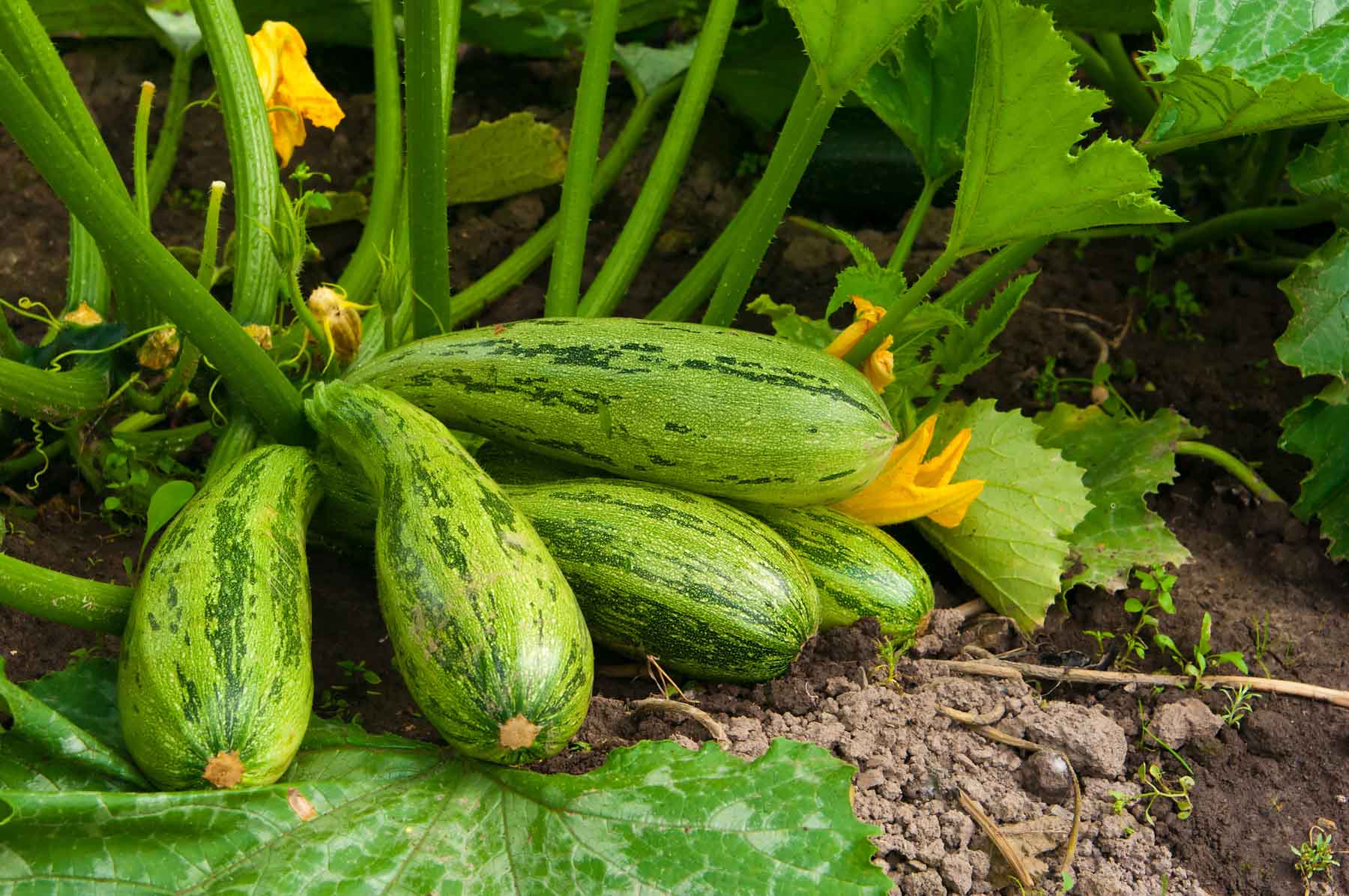
Summer Squash
Beauty
Think of summer squash as a dewy sip for your skin. Its water content supports a fresh, supple look from within, while potassium helps maintain healthy fluid balance. Vitamin C plays a starring role in collagen synthesis, the scaffolding that keeps skin firm and resilient. The naturally occurring carotenoids—especially in yellow varieties—accumulate in the skin over time and are associated with a smoother, more even-toned appearance and a healthy, sun-kissed glow. Manganese, a cofactor in collagen-related enzymes, adds quiet support for skin structure. The gentle fiber aids a well-functioning gut, which is increasingly linked to clear, calm skin. Hair and nails benefit, too: steady nourishment from vitamin C, folate, and B6 supports normal cell turnover in fast-growing tissues. Keep the tender skin on when you cook—it’s where much of the fiber and carotenoids live.
Culinary Uses
Summer squash loves quick, hot pans and bright flavors. Slice and sauté with olive oil, garlic, and lemon; grill planks or halved squash until char-marked and juicy; or shave into ribbons for a crisp salad with mint, basil, and a snowfall of Parmesan. It’s beautiful in ratatouille, frittatas, stir-fries, and brothy soups. Salt briefly to draw out surface moisture for better browning, or sear thick coins to caramelize their edges. Pairings to try: olive oil, lemon, lime, garlic, shallot, chili, basil, mint, dill, thyme, oregano; cheeses like feta, goat cheese, ricotta, Parmesan; toasted almonds, pistachios, or pine nuts; grains such as farro, quinoa, couscous; proteins from eggs and beans to fish and chicken. Spiralize into “noodles” with pesto, fold into grain bowls, or quick-pickle thin slices for a bright condiment. Don’t forget the blossoms: stuff with herbed ricotta and bake or pan-fry for a delicate, golden treat. Whenever possible, cook with the skin on for flavor, texture, and nutrients.
Health
Summer squash is light, hydrating, and quietly powerful. Its high water content helps you stay refreshed, while potassium supports healthy blood pressure and fluid balance. The tender skin and flesh deliver fiber—gentle on digestion yet helpful for regularity and a well-fed gut microbiome. Summer squash also brings vitamin C for immune support and collagen formation, plus carotenoids such as lutein and zeaxanthin, pigments known for supporting eye health. You’ll find manganese too, a trace mineral that helps your cells manage oxidative stress and contributes to normal collagen production. Low in calories and carbohydrate density, summer squash fits beautifully into balanced plates and steady-energy eating. For extra benefit, cook it with a little olive oil—dietary fats help your body absorb those fat-soluble carotenoids. Whether sautéed, steamed, or grilled, it’s an easy way to add freshness, micronutrients, and fiber to everyday meals.
Holistic
Across food traditions, summer squash has long been appreciated as the essence of the season: light, tender, and easy to digest when the weather runs warm. In the Americas, squash is one of the storied “Three Sisters” alongside corn and beans—a symbol of nourishment and smart, sustainable eating. Mediterranean kitchens prize it for its simplicity and balance, often pairing it with herbs and olive oil to create meals that feel both clean and satisfying. From a holistic lens, summer squash embodies seasonal wisdom—cooling, moist, and gentle—an ingredient that brings ease to the table and invites you to eat with the rhythms of nature. It offers comfort without heaviness, versatility without complication, and a fresh canvas for herbs, citrus, and good oil—everyday kitchen medicine in the most delicious sense.
Products