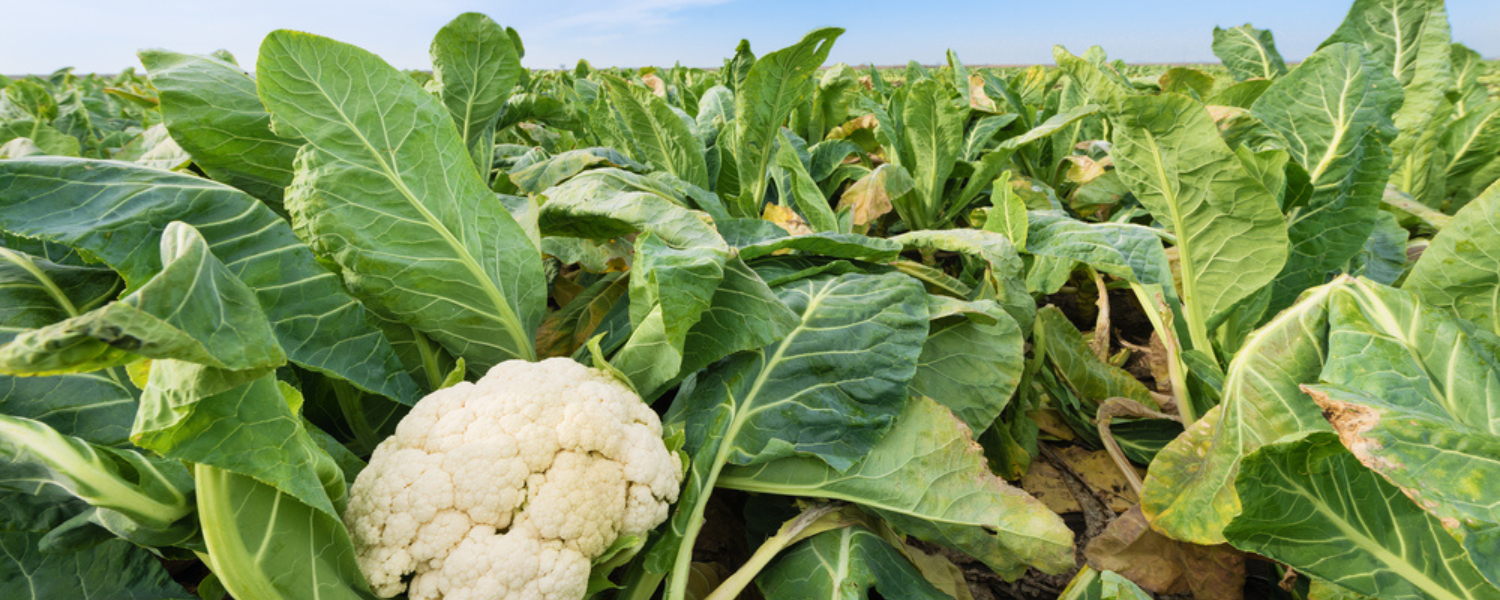
Cabbage
Beauty
Beauty begins in the cells, and cabbage quietly delivers. Vitamin C is a co‑factor for collagen production, helping skin stay firm and springy while supporting everyday repair. The vegetable’s broad spectrum of antioxidants—including anthocyanins in red cabbage and flavonols like quercetin and kaempferol—helps neutralize free radicals from sun and city life that can dull skin and accelerate the look of fine lines. Its high water content contributes to hydration from within, and gentle fiber supports a balanced gut—often reflected as clearer, calmer skin. Lightly cooking in good fats (think olive oil) can make certain antioxidants more available, while raw, finely shredded cabbage brings a refreshing crunch that leaves you feeling light and luminous.
Culinary Uses
Versatile is an understatement. Shave it fine for slaws with lime, apple, and a touch of tahini or yogurt; tuck it into tacos or pile it beside grilled fish for bright crunch. Sauté it quickly with garlic and a splash of soy and sesame for a weeknight stir‑fry, or roast thick wedges at high heat until the edges char and the centers turn sweet and tender. Classic pairings include caraway or dill, mustard, bacon or smoked tofu, potatoes, apples, ginger, and vinegar. Think stuffed cabbage rolls with rice and herbs; brothy soups and stews; or quick pickles to cut through rich dishes. For slaws, toss the shreds with a pinch of salt and let them stand for 10 minutes to soften and release excess moisture, then dress. For maximum flavor and benefits, combine cabbage’s natural sweetness with acid and a little fat—the trio that makes this humble leaf sing.
Health
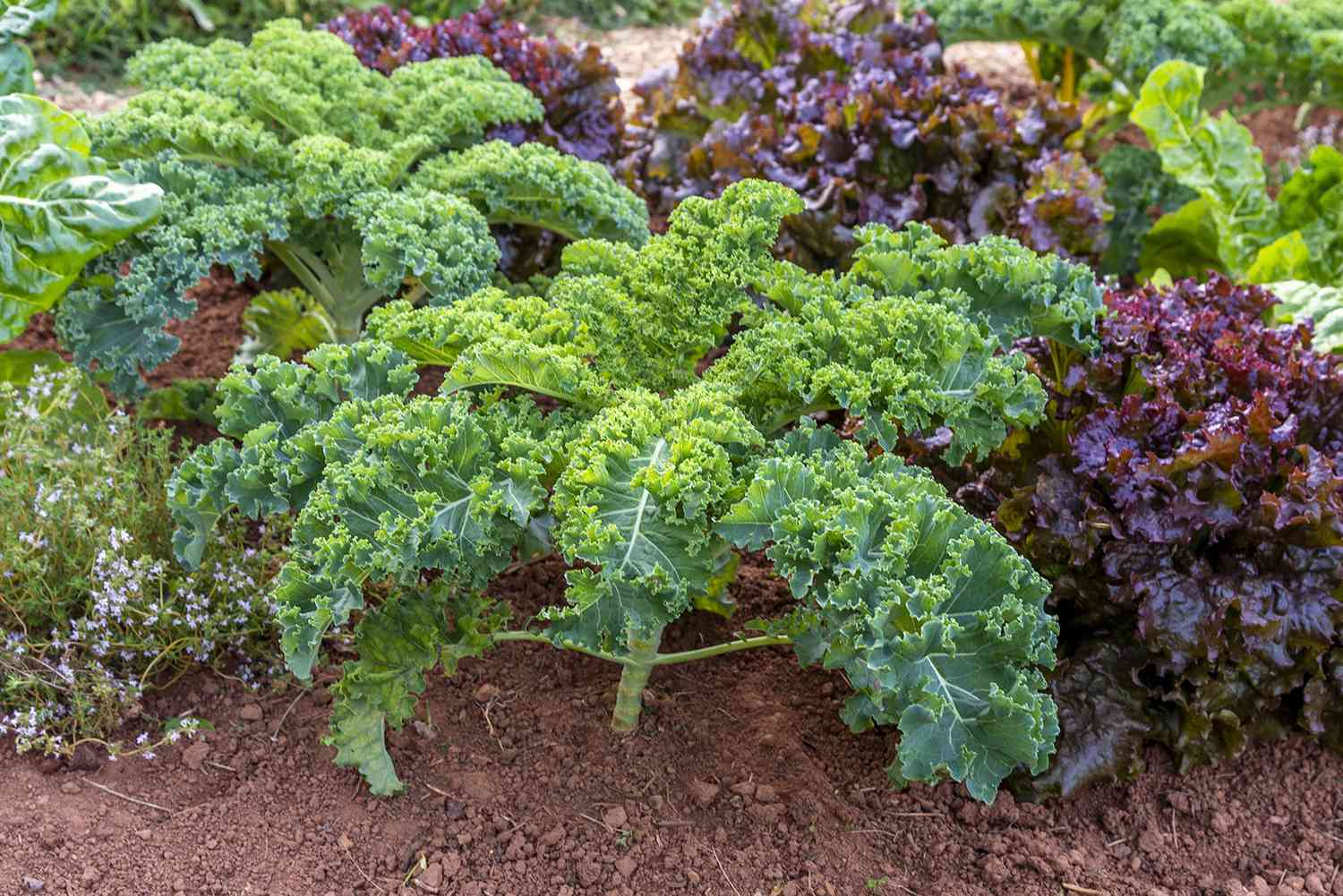
Cabbage is a crisp, cruciferous powerhouse that delivers impressive nourishment for very few calories. It’s rich in vitamin C to support immune function and tissue repair, vitamin K for normal blood clotting and bone metabolism, folate for healthy cell growth, and potassium for electrolyte balance. Its fiber feeds beneficial gut bacteria, promotes regularity, and helps smooth post‑meal blood sugar swings. Like its brassica cousins, cabbage contains glucosinolates; when you slice or chew it, enzymes transform these compounds into isothiocyanates and indoles that activate your body’s natural detoxification and antioxidant defenses. Red varieties add anthocyanins—vibrant pigments linked with cardiovascular and cognitive resilience. Enjoying cabbage raw or lightly cooked preserves heat‑sensitive vitamin C; if you plan to cook it, chop it first and let it rest for a few minutes so those protective compounds can form. Fermented versions such as sauerkraut and kimchi supply live cultures and postbiotics that support a diverse, resilient microbiome.
Holistic
Across generations and continents, cabbage has been a symbol of sturdy, everyday nourishment. Ancient Greeks and Romans praised it at the table; in Central and Eastern Europe it became a winter mainstay, thriving in cool weather and lending itself to slow braises and long‑keeping ferments. Sailors once carried barrels of sauerkraut to keep vitamin C on months‑long voyages. In folk kitchens, cabbage leaves were even applied as soothing poultices. Today, many reach for cabbage for its grounding, balancing qualities: crisp and revitalizing when raw; warm and comforting when simmered; and, when fermented, a living food that brings harmony to the gut and the plate.
Products