Swiss Chard
Beauty
Think of Swiss chard as an inside-out beauty ritual. Its vitamin C supports your skin’s own collagen-making machinery, helping keep skin firm and resilient. Carotenoids like lutein, zeaxanthin, and beta-carotene act as internal antioxidants, supporting the skin’s natural defenses against environmental stressors and lending that fresh, well-rested glow. The leaf’s water content helps with day-to-day hydration, while minerals such as magnesium contribute to a calm, well-functioning complexion. Iron and folate support healthy circulation—key for delivering nutrients to hair follicles—while the combination of antioxidants and gentle fiber supports a balanced inflammatory response that shows up as clearer, happier-looking skin.
Culinary Uses
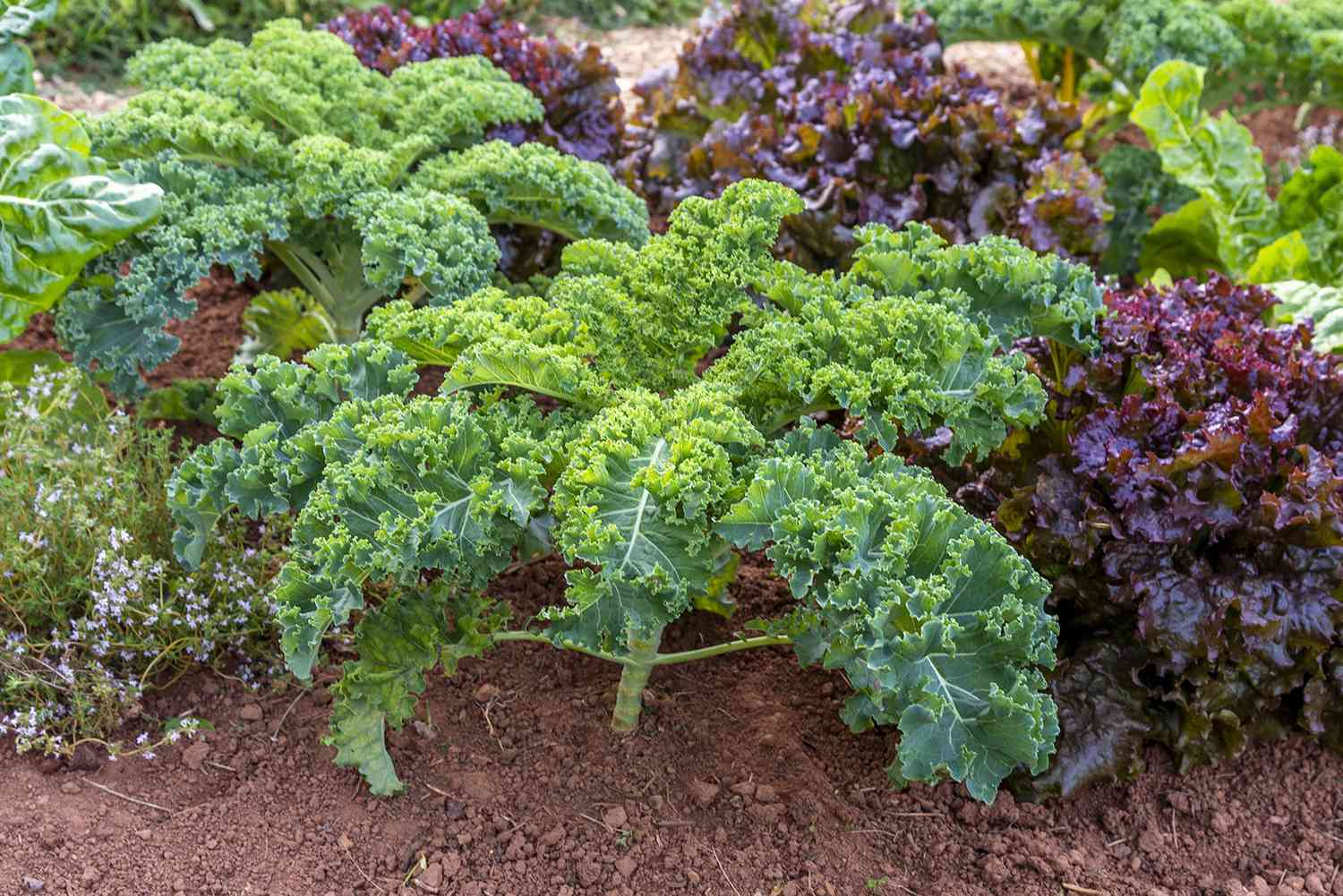
Versatile and velvet-tender, Swiss chard thrives in both quick sautés and slow braises. Separate the stems from the leaves: start the chopped stems in olive oil with garlic or shallot until crisp-tender, then fold in the sliced leaves just until wilted. Finish with lemon, vinegar, or a spoon of tahini to brighten its mineral sweetness. It’s glorious with staples of the Mediterranean pantry—olive oil, citrus, garlic, chili flakes, feta or Parmesan, yogurt, and herbs like dill, parsley, or mint. Tuck it into omelets and frittatas, stir into brothy beans, chickpeas, or lentil stews, or toss with pasta, farro, or quinoa. Young leaves bring color and gentle bite to salads; the stems can be diced for soups, sautéed like celery, or quick-pickled with vinegar and a touch of honey. For a simple weeknight side, sauté chard with olive oil, garlic, and a pinch of red pepper, then shower with lemon zest and toasted pine nuts or almonds—clean, bright, and deeply satisfying.
Health
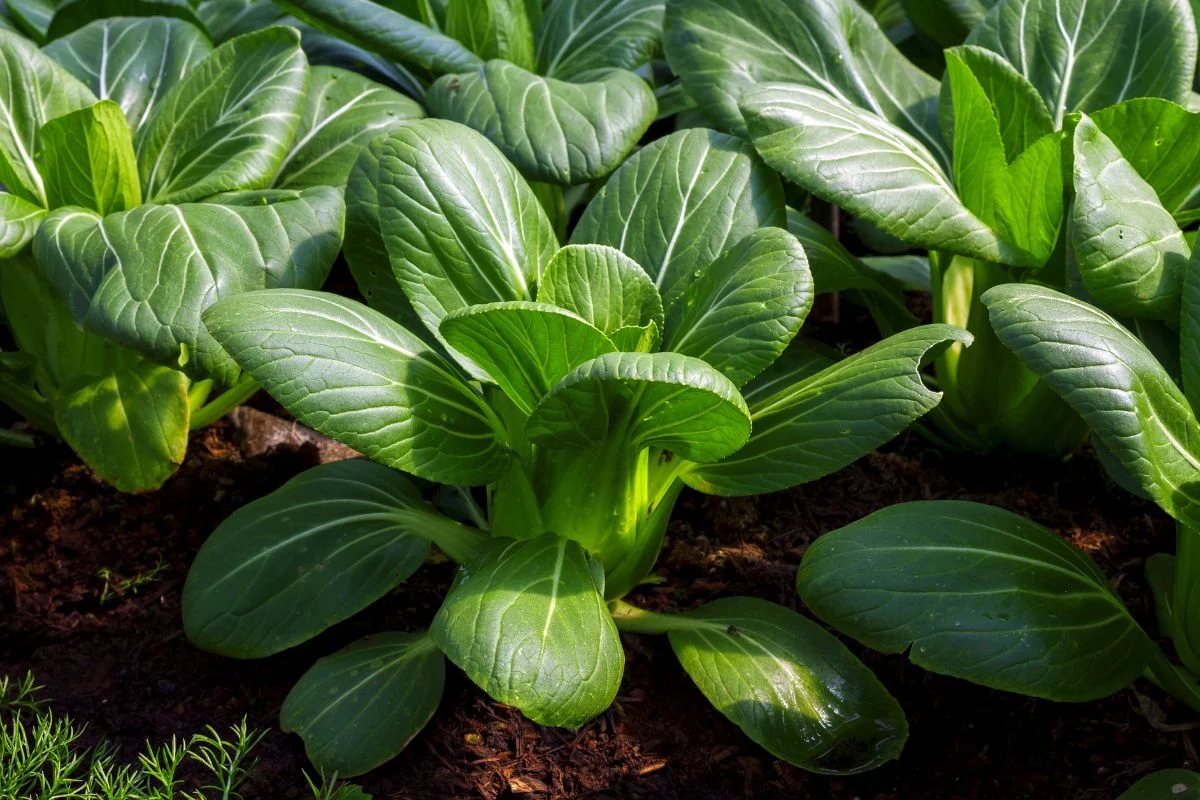
Swiss chard is a powerhouse leafy green that delivers concentrated nutrition in every silky leaf. It’s naturally rich in vitamin K for bone support, vitamin A (from beta-carotene) for vision and cellular health, and vitamin C to help your immune system and collagen production. Its minerals—magnesium and potassium especially—help muscles and nerves fire smoothly and support healthy blood pressure. Chard also provides folate for healthy cell renewal and iron to help carry oxygen, with vitamin C in the leaves helping your body use that iron more effectively. The gentle fiber in chard feeds a healthy gut microbiome and supports steady digestion, while plant antioxidants—from carotenoids to the beet-family pigments in colorful stems—help the body counter everyday oxidative stress.
Holistic
Rooted in Mediterranean tradition, Swiss chard has long been celebrated as a strengthening, everyday green—a bowl of vitality that bridges garden and table. In many old-world kitchens, its pleasantly earthy, mildly bitter taste was prized for waking up the appetite and gently supporting digestion before a meal. Healers historically reached for mineral-rich spring greens like chard as a seasonal reset, a way to feel replenished after winter. The rainbow of stems—sunset golds, ruby reds—symbolizes abundance on the plate, while the whole plant speaks to balance: sturdy stems and tender leaves, nourishment and pleasure in one generous bundle.
Products