Bell Peppers
Beauty
Think of bell peppers as beauty food with crunch. Vitamin C drives collagen production, the foundational protein that keeps skin firm and resilient, while also helping protect against the dulling effects of environmental stress. Carotenoids lend more than color; they accumulate in the skin and help neutralize oxidative stress from sun and pollution, supporting a more even tone and healthy-looking glow. Vitamin E safeguards the lipids in cell membranes, helping skin stay smooth and supple. Their high water content adds natural hydration, so your complexion looks fresh, not flat. For hair, vitamin C’s role in iron absorption supports oxygen delivery to follicles, and B6 supports normal protein metabolism—the groundwork for strong strands. Lutein and zeaxanthin further support eye comfort and clarity, keeping the whites bright and the gaze vibrant.
Culinary Uses
Slice them raw for salads and snack boards, or tuck strips into sandwiches and wraps for sweetness and crunch. Char or broil until blistered, steam under a bowl, then peel—roasted red peppers become silky additions to pasta, grain bowls, and antipasti. Blend them into classic sauces like romesco or muhammara, fold into shakshuka or ratatouille, or sauté with onions for fajitas, jambalaya, and stir‑fries. They’re ideal for stuffing—try quinoa and herbs, rice and beans, or a savory turkey mixture—then bake until tender. Quick tip: add peppers toward the end of a sauté to keep their snap, or cook them low and slow with olive oil and garlic for sweetness. Pair with tomatoes, onions, citrus, basil, parsley, cilantro, olives, capers, feta, goat cheese, chickpeas, or grilled fish and chicken. A splash of vinegar or lemon wakes up their natural sweetness; a pinch of cumin or smoked paprika brings warmth.
Health
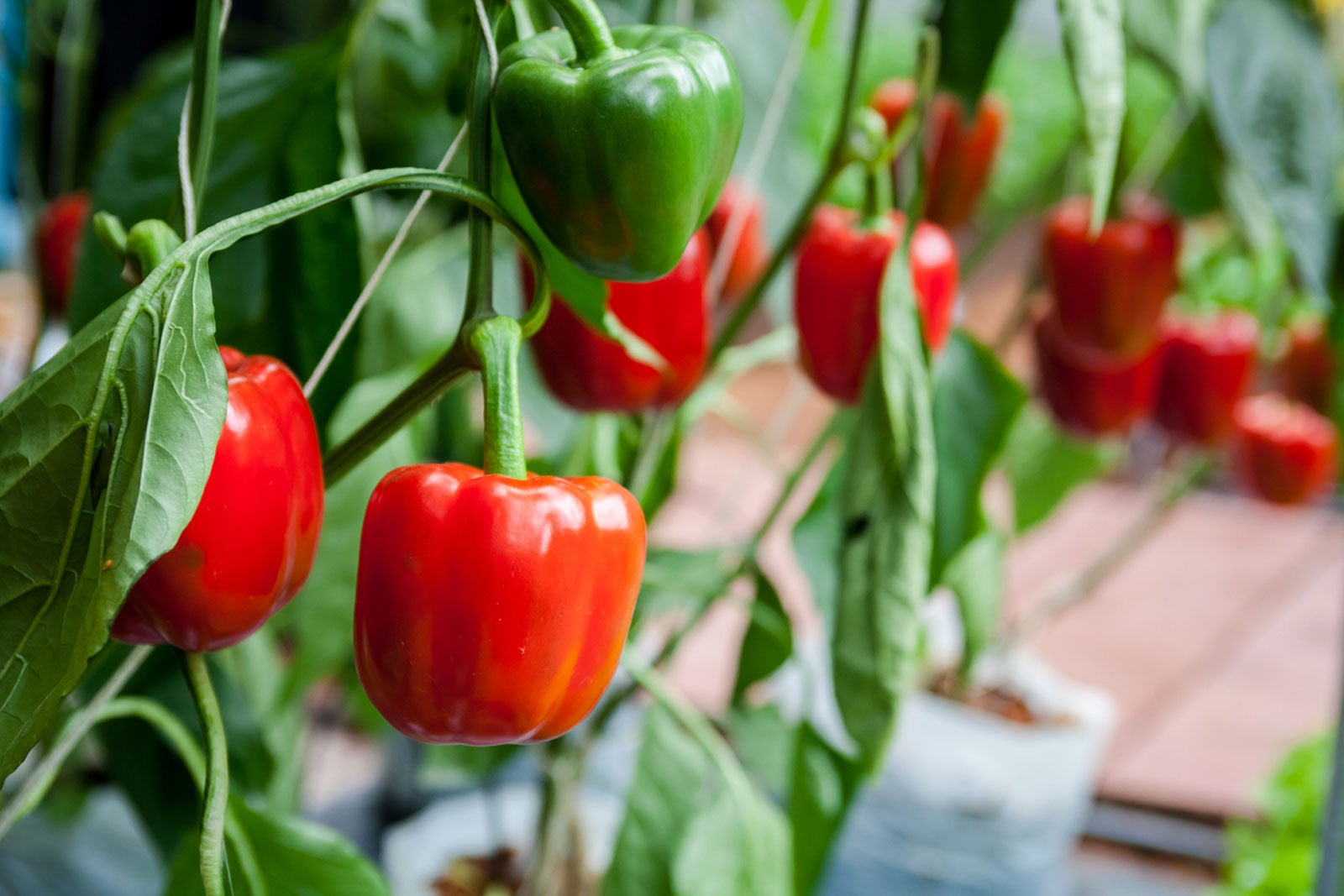
Bell peppers are a crisp, hydrating source of vital nutrients. A single red pepper can deliver more than a day’s worth of vitamin C—key for immune support, iron absorption from plant foods, and the collagen your body uses to build and repair tissues. They also provide carotenoids such as beta‑carotene, lutein, zeaxanthin, and capsanthin (especially in red peppers), which act as antioxidants and support healthy vision. You’ll find vitamin B6 and folate for energy metabolism, vitamin E to protect cell membranes, potassium for fluid balance, and around 2 grams of fiber per cup with very few calories. Green peppers are simply the earlier, less‑ripe stage; as they mature to yellow and then red, sweetness increases and antioxidant levels rise. All colors add water, crunch, and nutrient density to your plate—an easy everyday way to “eat the rainbow.”
Holistic
Native to the Americas and carried worldwide in the 16th century, sweet peppers quickly became a cornerstone of comfort cooking—think the Cajun‑Creole “holy trinity” (pepper, onion, celery) or Mediterranean stews where peppers bring color, aroma, and lift. Holistically, they embody the simple wisdom of eating with the seasons and the senses: crisp, juicy, and naturally sweet, they make nourishing meals feel light and joyful. Their colors signal slightly different blends of plant pigments—greens are brisk and grassy; yellows and oranges sun‑bright; reds deeply sweet and antioxidant‑rich—inviting you to build variety without overthinking it. In many food traditions, peppers are used at the start of a dish, gently cooked to release aromas that ground the body and soothe the mind—a small daily ritual that turns ingredients into comfort.
Products