Pork
Beauty
Beauty starts with nourishment, and pork brings the raw materials your skin and hair crave. Its complete protein supplies the amino acids your body uses to build keratin (for strong hair) and collagen (for supple skin). Zinc supports a resilient skin barrier and healthy scalp, while selenium helps defend cells against everyday oxidative stress that can dull your glow. B vitamins, especially B6 and B12, support healthy circulation and cell turnover, and heme iron helps deliver oxygen—so skin looks vibrant, not tired. The natural fats in pork also help your body absorb fat-soluble vitamins A, D, E, and K when they’re in the same meal, amplifying your skin- and hair-loving nutrients. Slow-simmered preparations made with pork bones or skin yield silky, gelatin-rich broths that provide collagen-building amino acids—an old-school, kitchen-first way to support beauty from the inside out.
Culinary Uses
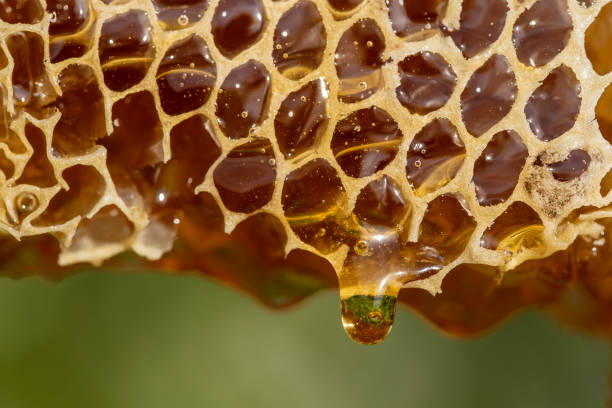
Versatile by nature, pork shines in both quick weeknight dishes and leisurely weekend cooking. Choose tenderloin, chops, or cutlets for speedy searing, grilling, or stir-frying; cook whole cuts to 145°F and let rest 3 minutes for juicy results. For low-and-slow comfort, turn to shoulder (butt) for pull-apart roasts and tacos, ribs for gentle smoking or braising, and belly for crispy, caramelized edges. Ground pork brings plush richness to dumplings, meatballs, sauces, and burgers. Classic pairings flatter pork’s natural sweetness: apples, pears, citrus, stone fruit; mustard, honey, maple; garlic, onion, fennel, caraway, cumin, coriander; sage, rosemary, thyme, bay; soy sauce, miso, ginger, scallion, and chili; a splash of wine, cider, or beer. For effortless excellence, try a simple marinade of salt, black pepper, crushed garlic, rosemary, olive oil, and lemon zest—or go soy, ginger, sesame oil, and a touch of brown sugar. Pat dry for a great sear, finish gently in the oven, and let it rest. Serve with roasted roots, leafy greens, creamy polenta, or a tangy slaw—and don’t forget a bright chutney or quick pan sauce to bring it all together.
Health
Pork is a powerhouse of complete, high-quality protein—about 22–26 grams per 3-ounce cooked serving—to help build and repair muscle, support a healthy metabolism, and keep you satisfied. It’s notably rich in thiamin (vitamin B1), a vitamin your body relies on to turn food into steady energy and to support normal nerve function. You’ll also get vitamins B6 and B12 for red blood cell formation and cognitive support, plus niacin for efficient energy metabolism. Mineral-wise, pork provides selenium, a key partner in antioxidant enzymes, zinc for immune function and tissue repair, and well-absorbed heme iron to carry oxygen throughout the body. There’s also naturally occurring choline to support healthy brain and liver function. Lean cuts like tenderloin and loin chops deliver these nutrients with a lighter profile, making pork a smart, satisfying centerpiece for balanced meals.
Holistic
Across cultures and centuries, pork has been prized for comfort, celebration, and true nose-to-tail nourishment. From weekend roasts that bring everyone to the table to slow-simmered soups that restore and satisfy, it’s a food that grounds a meal with deep, savory calm. Traditional cooks value using the whole animal—bones, skin, and trimmings enriching stocks and sauces—an approach that’s both respectful and resourceful. Holistically, pork offers more than nutrients; it offers a feeling of completeness: the warmth of a braise on a cool evening, the conviviality of a shared platter, the quiet contentment of a well-fed family. It’s everyday sustenance elevated by care, craft, and community.
Products