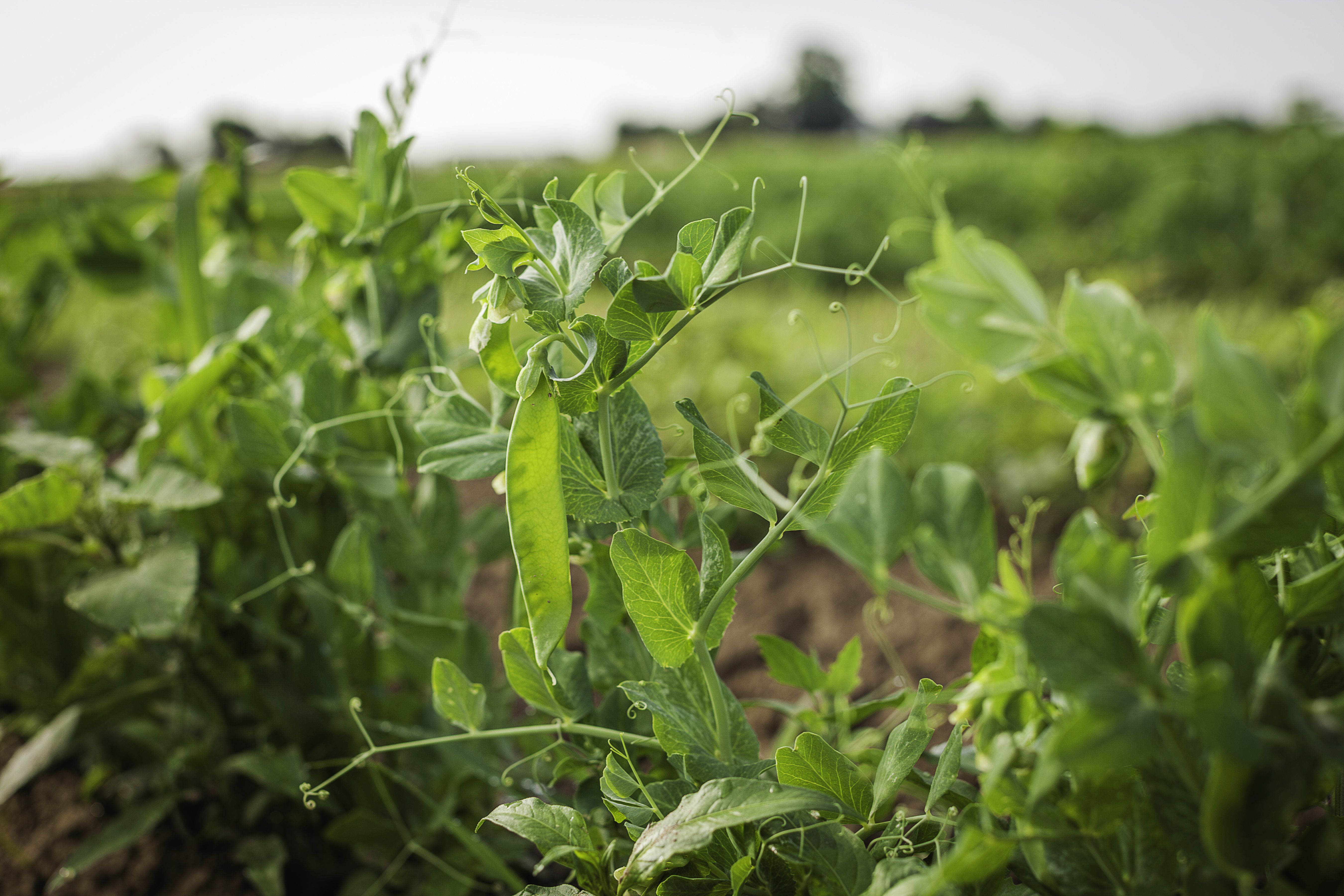
Peas
Beauty
Peas bring beauty benefits from the inside out. Vitamin C helps your body build collagen, the protein that keeps skin firm and resilient. Their antioxidants—including lutein and zeaxanthin—help defend skin against the oxidative stress that can accelerate visible signs of aging from everyday exposure to sunlight and pollution. The gentle, natural sugars and high water content give peas a fresh, dewy appeal on the plate while nourishing your skin with hydration and minerals. Protein provides amino acids for hair’s building blocks (keratin), while iron and folate support the fast‑growing cells in hair and nails. Trace minerals like manganese and copper act as enzyme cofactors involved in skin structure. The result: a quietly radiant, well‑nourished look that starts at the table.
Culinary Uses
Peas shine in quick, vibrant dishes. Blanch shelled green peas 1–2 minutes until vivid, then toss with butter and mint, or olive oil, lemon zest, and flaky salt. Fold them into risotto, pasta primavera, frittatas, fried rice, paella, or grain bowls. Purée with stock, a handful of herbs, and a splash of cream or olive oil for a silky soup; or blitz into a pea‑mint pesto and spread on crostini with ricotta. In Indian cooking, think matar paneer or a gently spiced pea pilaf. For British comfort, spoon warm, mashed peas alongside roasted fish. Peas love companions like fresh herbs (mint, tarragon, dill), alliums (shallot, scallion, garlic), citrus, Parmesan, feta, ricotta, prosciutto or pancetta, and seafood such as scallops or crab. Snow peas and sugar snap peas bring crisp, sweet crunch to stir‑fries and salads—just trim and sauté or char briefly. Frozen peas, flash‑frozen at peak sweetness, are a cook’s secret: add them in the final minutes of cooking to keep their color bright and their bite tender.
Health
Small but mighty, peas deliver a remarkable balance of protein, fiber, and micronutrients. A cup of cooked green peas offers about 8 grams of plant protein and roughly 8 grams of fiber—an ideal duo for steady energy, comfortable digestion, and long‑lasting satiety. Their fiber includes prebiotic types that help nourish a healthy gut microbiome. Peas are naturally rich in vitamin K (supporting bones and normal blood clotting), vitamin C (for immune support and collagen formation), folate (for cell renewal), and minerals such as iron, potassium, and magnesium. They also contain carotenoids like lutein and zeaxanthin, plus polyphenols, which act as antioxidants. Together, these nutrients support heart‑friendly eating patterns, stable energy between meals, and everyday wellness—without weighing you down.
Holistic
Across centuries and cuisines, peas have symbolized renewal and good fortune—the first sweet taste of spring after a long winter. Archaeological finds trace their cultivation to ancient civilizations; in Europe, pease porridge and bright spring soups were staples, while across Asia, tender pods and shoots have long graced market stalls and woks. Holistically, peas embody simple nourishment: a plant‑forward food that is gentle, grounding, and satisfying. They’re also kind to the earth. As legumes, peas naturally help fix nitrogen in the soil—an elegant example of how eating well and caring for the land can go hand in hand. That sense of seasonal abundance and sustainability is part of their quiet magic.
Products