Cheese
Beauty
Beauty begins with nourishment. Cheese supplies high‑quality dairy proteins rich in amino acids—especially lysine—that your body uses to build keratin and collagen, the structural proteins behind resilient skin and strong, glossy hair. Vitamin A supports healthy skin cell turnover and a balanced‑looking complexion, while B vitamins (including riboflavin and B12) fuel the cellular energy your skin needs to look vibrant. Trace minerals such as zinc and selenium act as antioxidants, helping protect skin and scalp from everyday oxidative stress. The natural fats in cheese help you absorb fat‑soluble nutrients like vitamins A and K, contributing to a supple, well‑nourished look. Choose traditionally fermented cheeses and you may also benefit from live cultures that support a harmonious gut—an inner balance increasingly linked with calm, clear‑looking skin.
Culinary Uses
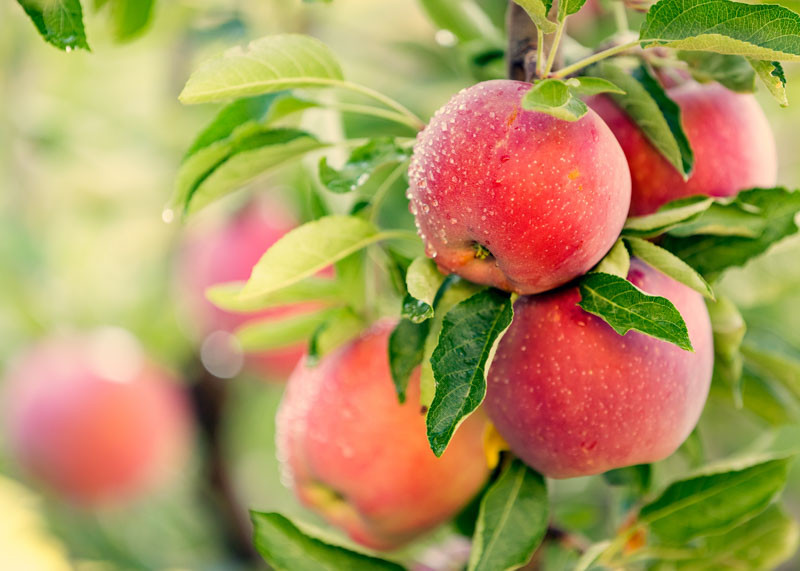
Cheese is a cook’s shortcut to depth and satisfaction. Use it in multiple forms—grated, shaved, crumbled, melted—to finish dishes or build them from the start. Fresh styles: pair mozzarella with tomatoes and basil; whip ricotta with lemon zest for toast or pasta; crumble feta over salads, grains, or roasted vegetables. Semi‑firm and aged: melt cheddar into sandwiches; tuck Gouda into burgers; layer Gruyère into gratins and quiches; shower hot soups or risotto with Parmigiano‑Reggiano (save the rind to simmer in broths). Blues: crumble over steak, roasted beets, or greens; balance their tang with honey and walnuts. Bloomy rinds: serve Brie or Camembert at room temperature with apples, pears, fig jam, or a warm baguette; bake until just oozy with herbs. Grilling cheeses like halloumi or paneer sear to a golden crust for salads, wraps, and skewers. Favorite pairings include crisp apples or pears, grapes, figs, tomatoes, olives, roasted peppers, honey, chutney, whole‑grain mustard, almonds or walnuts, and crusty bread or seeded crackers; bright pickles or citrus zest cut richness. For best flavor, let cheese sit at room temperature 20–30 minutes before serving—its aroma blooms, and a little goes a long way.
Health
Cheese concentrates the best of milk into a compact, nourishing package. Each bite provides complete protein for muscle repair and steady energy, plus bioavailable calcium and phosphorus that work together to support strong bones and teeth. It’s also a natural source of vitamin B12 (for nerve function and red blood cell formation), vitamin A (for immune and vision support), and trace minerals like zinc. Traditionally cultured, aged cheeses can deliver beneficial bacteria that help maintain a healthy gut microbiome. Some aged varieties also contain vitamin K2, a nutrient that helps guide calcium to bones. Because cheese is naturally low in carbohydrates, it has a gentle effect on blood sugar; pairing a small portion with fruit or whole grains can help you feel satisfied between meals. Casein and minerals in cheese also help neutralize mouth acidity after eating, supporting tooth enamel.
Holistic
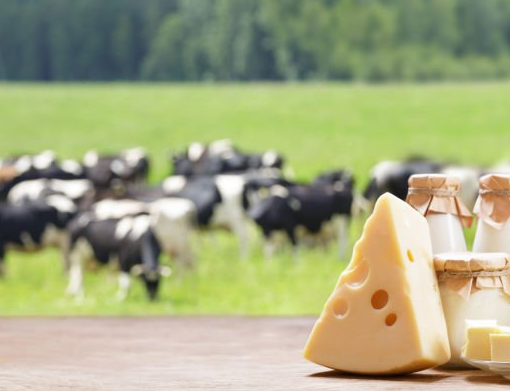
Across the Mediterranean, the Alps, and the Levant, cheese has long been a way to preserve the goodness of milk through the seasons. From fresh farmer’s curds to cave‑aged wheels, it captures a sense of place and the quiet craft of fermentation. In many food traditions, cheese is prized not only for its sustenance but for the comfort and conviviality it brings to the table. As a fermented food, it has been associated with mealtime ease and satisfaction—shared slices that encourage slower eating, conversation, and the feeling of being well‑fed and grounded. Bringing home a simple wedge connects you to centuries of careful dairying and the enduring pleasure of real food prepared with patience.
Products