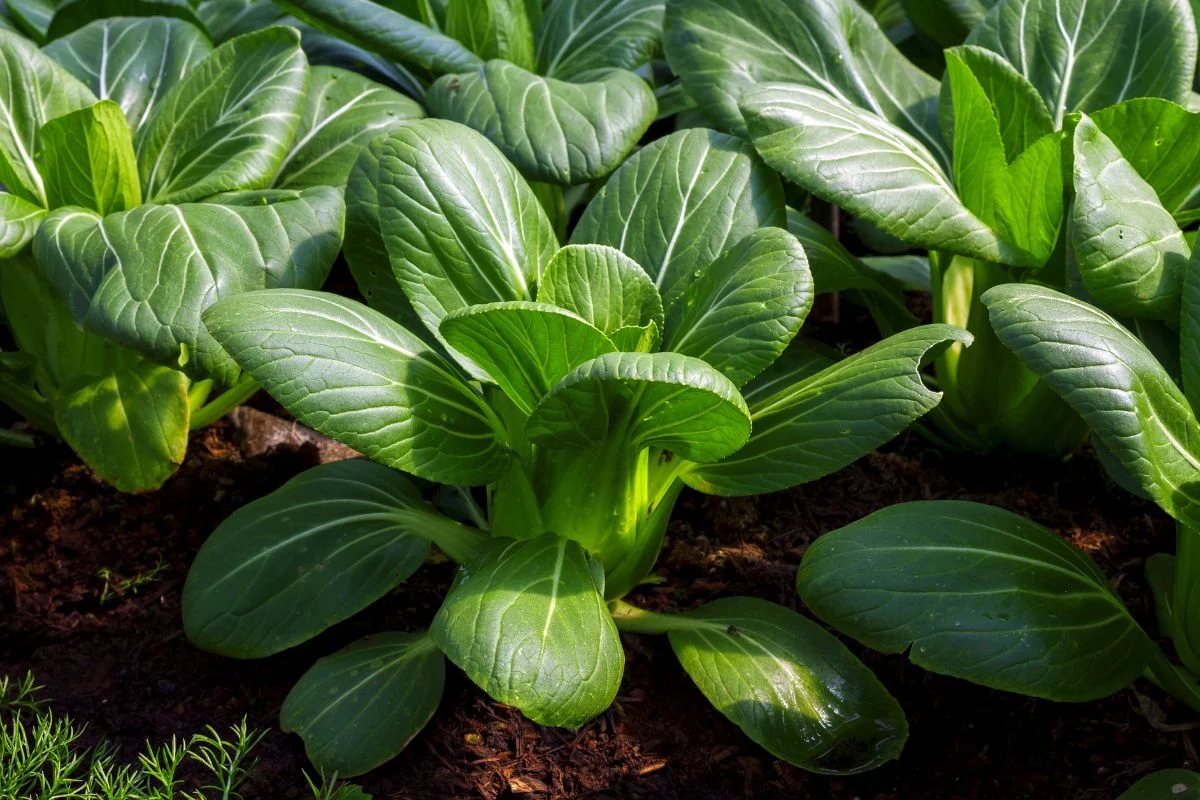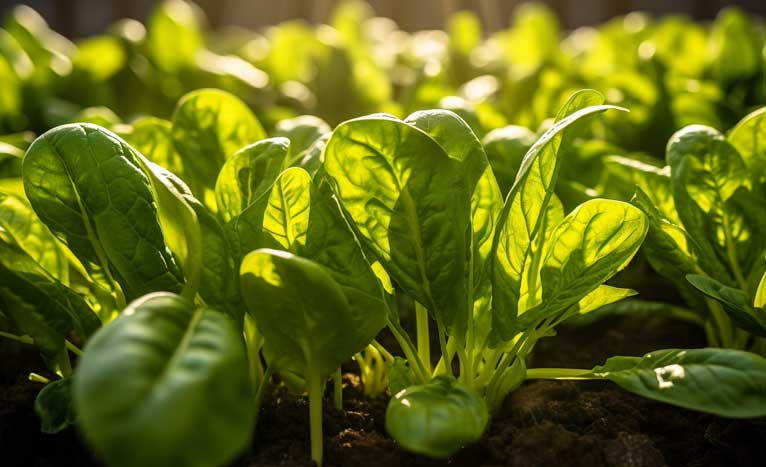
Spinach
Beauty
Beauty loves green. Spinach’s vitamin C supports collagen production—the scaffolding for smooth, firm skin—while beta-carotene (pro–vitamin A) encourages natural skin renewal and a healthy-looking glow. Lutein and zeaxanthin help shield skin from everyday oxidative stress, and vitamin E teams up with these carotenoids to keep your complexion looking calm and luminous. Minerals such as iron and folate support healthy circulation, delivering oxygen and nutrients to hair follicles for strong, vibrant strands. With its high water content and phytonutrient profile, spinach is the kind of daily beauty ritual you can eat: dewy, nourished skin and resilient hair from the inside out.
Culinary Uses
Spinach is wonderfully versatile—equally at home raw or cooked. Toss baby leaves into salads with lemon, olive oil, and flaky salt, or fold them into warm grains for a quick wilt. Sauté with garlic and olive oil, finish with a squeeze of lemon, and you have an instant side. Blend into smoothies for a mild, green boost; stir into eggs, pastas, and soups at the very end of cooking to preserve color and tenderness. Classic pairings include: feta or goat cheese, lemon or orange, yogurt or cream, nutmeg, garlic, mushrooms, tomatoes, chickpeas, lentils, and toasty nuts like pine nuts or walnuts. For a creamy classic, make a lightened creamed spinach with yogurt and a hint of nutmeg. For something bold, try spanakopita, palak paneer, or a half-basil, half-spinach pesto to keep sauces bright. Pro tip: add a citrusy element—lemon juice, orange segments, or a tomato salad—whenever spinach is on the plate to enhance iron absorption and lift the flavors.
Health
Spinach is a nutrient-dense green that delivers remarkable benefits in every handful. It’s rich in vitamin K for strong bones and normal clotting, folate to support healthy cell growth and energy metabolism, and iron to help carry oxygen throughout the body. Its natural vitamin C pairs perfectly with that iron, boosting absorption when you enjoy spinach with a splash of citrus. Potassium and naturally occurring dietary nitrates in spinach help support healthy blood flow and comfortable blood pressure by aiding the body’s production of nitric oxide. Spinach also provides magnesium for muscle and nerve function, and it’s a notable source of antioxidants—beta-carotene (which the body converts to vitamin A), lutein, and zeaxanthin—that help protect cells and support clear, comfortable vision. Gentle, soluble fiber nourishes a healthy gut microbiome, making spinach a smart everyday staple.
Holistic
Across centuries and cuisines—from ancient Persia to the Mediterranean—spinach has been prized as a vital, fortifying green. Cooks have long turned to it as a fresh, springtime tonic, a way to bring lightness and balance back to the table after heavier fare. In European kitchens, “à la Florentine” became culinary shorthand for dishes crowned with a bed of spinach, celebrating its gentle flavor and restorative feel. Today, that tradition continues: a bowl of silky greens that signals renewal, nourishment, and everyday vitality.
Products