Shiitake Mushrooms
Beauty
Beauty loves nourishment, and shiitake bring it elegantly. Their copper supports enzymes that build and cross‑link collagen and elastin—the scaffolding that keeps skin supple and resilient. Antioxidants such as ergothioneine and selenium help defend skin and scalp from oxidative stress (think pollution, UV exposure), which can contribute to dullness and the look of premature aging. B vitamins assist with healthy cell turnover, encouraging a fresh, even‑looking complexion. Shiitake’s gentle anti‑inflammatory compounds and polyphenols complement this by helping maintain a calm, balanced appearance. The result: a quiet, from‑within support system for skin’s firmness and glow, and a nutrient backdrop that helps hair and scalp feel cared for and resilient.
Culinary Uses
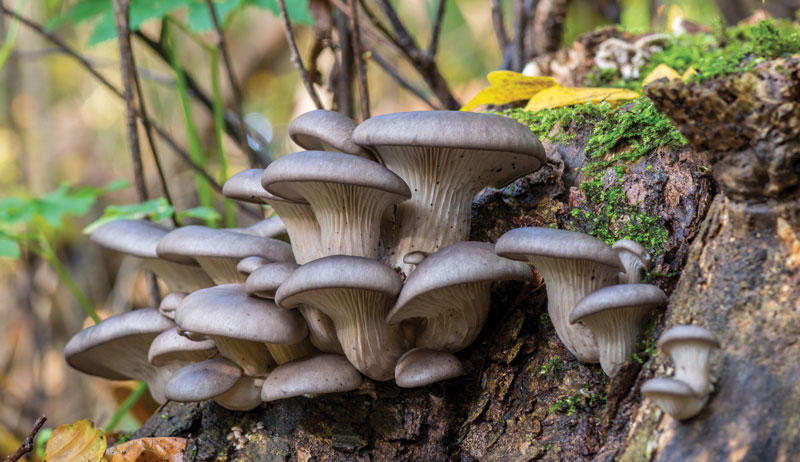
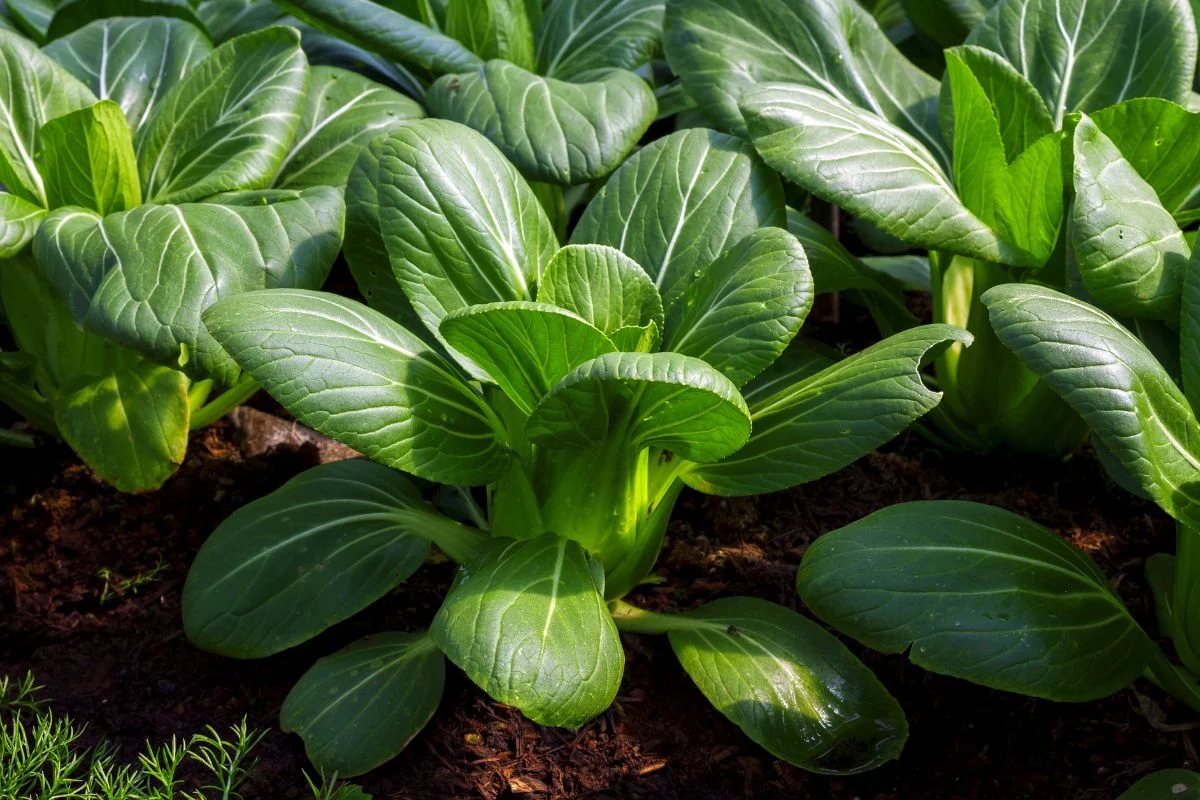
Shiitake are the cook’s secret to instant depth. Fresh caps sear beautifully: slice thick, pat dry, and sauté over medium‑high heat in a little oil or butter without crowding the pan. Let them brown until the edges crisp, then finish with soy sauce, a splash of mirin, or a knob of miso‑butter. Trim the chewy stems and save them for stocks and sauces. Dried shiitake are flavor gold—soak in warm water 20–30 minutes, slice, and use both the mushrooms and the fragrant soaking liquid to supercharge risotto, ramen, pan sauces, and grain bowls. Classic pairings: garlic, ginger, scallions, sesame oil, miso, tamari, sake, butter, thyme, rosemary, black pepper, and a squeeze of lemon. Add to stir‑fries with bok choy, toss through pasta with Parmesan, fold into omelets, tuck into dumplings, or roast at high heat until caramelized for a meaty, plant‑based centerpiece. For umami‑rich broth, simmer dried shiitake with kombu to make a beautifully savory vegetarian dashi.
Health
Shiitake are a small, savory powerhouse: low in calories yet rich in nutrients that quietly do a lot of good. They deliver notable amounts of copper (essential for energy production and connective tissue integrity) along with B vitamins like niacin (B3) and pantothenic acid (B5) that help the body turn food into steady energy. Their fiber—including beta‑glucans—supports a healthy gut microbiome and comfortable digestion. Shiitake also contain unique polysaccharides (such as lentinan) that help the immune system work smartly, not loudly. Compounds like eritadenine and plant sterols have been studied for supporting healthy cholesterol metabolism. And on the cellular level, shiitake bring protective antioxidants, including ergothioneine and glutathione, which help counter everyday oxidative stress. Beyond the numbers, their natural umami means you can cook big, satisfying flavor with less salt—an easy win for heart‑friendly meals.
Holistic
Revered across East Asia for centuries, shiitake were traditionally cultivated on hardwood logs and prized for both sustenance and vitality. In Japanese temple cuisine (shojin ryori) and Chinese kitchens alike, they’ve long been used to bring depth and harmony to broths and everyday meals—a culinary practice aligned with the idea that satisfying, umami‑rich foods promote balance and well‑being. In traditional herbal perspectives, shiitake’s nourishing nature and immune‑supportive polysaccharides positioned them as a tonic for resilience through the seasons. Today, that legacy lives on: a humble mushroom that anchors comforting soups, centers the senses with its aroma, and offers a steady, holistic nudge toward feeling well.
Products