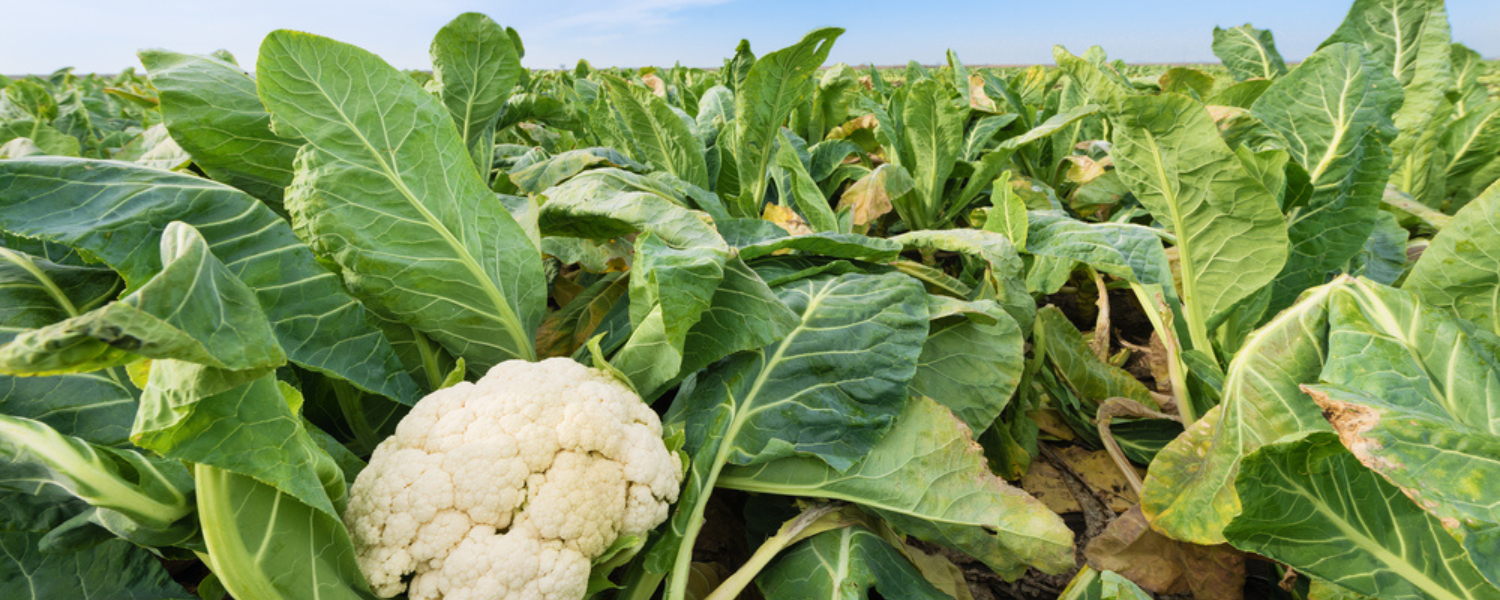
Cauliflower
Beauty
Beauty begins in the kitchen, and cauliflower quietly does the kind of work your skin loves. Its vitamin C helps your body make collagen—the protein that keeps skin firm, smooth, and resilient—while antioxidants and sulfur-rich phytochemicals from crucifers support your skin’s defense against daily oxidative stress from sun and pollution. Cauliflower is naturally hydrating, and its folate supports healthy cell turnover, contributing to a fresh, even look. Choline nourishes cell membranes, which helps skin retain moisture and stay supple. The overall effect is subtle but real: a glow that looks like you’ve been sleeping well, drinking water, and spending time outdoors—only this time, your produce is doing some of the lifting.
Culinary Uses
Cauliflower is a culinary chameleon. Roast florets at high heat with olive oil, sea salt, and garlic until the edges caramelize, then finish with lemon zest and parsley. Slice thick steaks, sear in a hot pan, and spoon over chimichurri or tahini with toasted sesame. Pulse into rice for stir-fries, or steam and mash with roasted garlic and a splash of extra-virgin olive oil for a silky side. Purée into a velvety soup with onion and a hint of apple; bake into a gratin with Gruyère; or coat bite-size pieces with spices and roast for a crowd-pleasing snack. Cauliflower adores bold flavors: cumin, turmeric, and coriander; miso, soy, and sesame oil; capers, anchovy, and Parmesan; dill, mint, and pomegranate. Try it in classic spiced dishes, folded into grain bowls, tucked into tacos, or quick-pickled with vinegar and warm spices for crunch. Don’t overlook the core and leaves—they’re delicious roasted or simmered into stock, proof that this vegetable gives you something wonderful from tip to stem.
Health
Cauliflower is a nutrient-dense crucifer that delivers impressive benefits for remarkably few calories. It’s rich in vitamin C, which supports immune function and acts as a potent antioxidant, and provides vitamin K and folate to help with normal cell function. Its fiber feeds the beneficial bacteria in your gut, supporting regularity and the production of short-chain fatty acids that keep your microbiome thriving. You’ll also find choline, a key nutrient for healthy cell membranes and normal fat metabolism, along with potassium for everyday electrolyte balance. Like its Brassica cousins, cauliflower contains glucosinolates that, when chopped or chewed, form sulforaphane—a compound that supports the body’s own antioxidant defenses and natural detoxification enzymes. Pro tip: chop your cauliflower and let it rest a few minutes before cooking to maximize this conversion; adding a little mustard or watercress to cooked cauliflower can also reintroduce the myrosinase enzyme that helps this process. Low in starch yet deeply satisfying, cauliflower is a smart swap when you want steady, even energy from your meals.
Holistic
With roots in the Mediterranean and a renaissance in Italy before it swept across Europe and into global kitchens, cauliflower has long been treasured as a cool-season staple that brings comfort and balance to the table. Traditional cooks prized it for how gracefully it carried spices, herbs, and good olive oil, turning simple meals into something restorative. In many food cultures, cruciferous vegetables are embraced as cleansing foods; today’s science echoes that intuition, showing they support the body’s natural pathways for handling everyday byproducts of living. Holistically, cauliflower is the kind of ingredient that anchors a meal—satisfying yet light, versatile yet familiar—making it easier to build a plate that feels centered, vibrant, and nourishing.
Products