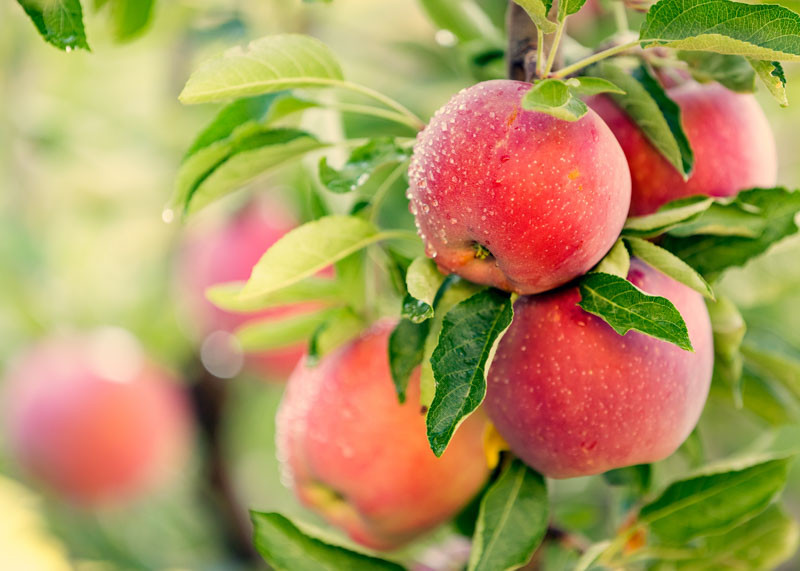
Apricots
Beauty
Think of apricots as a daily beauty treatment from the orchard. Their carotenoids and vitamin C work together like an internal skincare duo: antioxidants help defend skin from oxidative stress, while vitamin C supports collagen—the structural protein that keeps skin smooth and resilient. The fruit’s water content helps maintain a fresh, plump look, and its natural potassium supports healthy skin hydration from within. Apricots also offer small but meaningful amounts of vitamin E and copper, both involved in protecting skin lipids and normal pigment balance. Enjoy them regularly and you’ll be feeding your complexion with the very nutrients that help it look bright, even‑toned, and well-rested. Hair benefits, too: the same antioxidants and minerals support a healthy scalp environment—the foundation for strong, glossy strands.
Culinary Uses
Apricots shine in both sweet and savory kitchens. Enjoy them fresh—slivered over yogurt, cottage cheese, or leafy salads with goat cheese and toasted almonds. Their tangy-sweet flavor pairs naturally with vanilla, honey, lemon, and herbs like thyme or basil. Heat intensifies their perfume: roast or grill halved apricots with a brush of olive oil to serve alongside pork or chicken, or fold them into a warm grain bowl with pistachios and mint. For baking, they’re superb in galettes, upside-down cakes, clafoutis, and quick jams or compotes. Dried apricots bring chewy brightness to pilafs, couscous, tagines, trail mixes, and cheese boards; they also love the company of cinnamon, cardamom, saffron, and a splash of orange blossom water. For a fast upgrade, simmer apricots into a pan sauce with shallot and a squeeze of lemon, or blitz them into smoothies for fragrant, velvety sweetness.
Health
Apricots are small, sunlit powerhouses. They bring together water, fiber, and a spectrum of protective plant compounds to support everyday wellness. Their golden hue comes from carotenoids—especially beta‑carotene—which the body can convert into vitamin A to nourish normal vision and support a healthy immune system. You’ll also find vitamin C, which helps your body build and maintain collagen while neutralizing free radicals from daily life. A natural source of potassium, apricots help keep fluid balance and support healthy muscle and heart function. Their gentle mix of soluble and insoluble fiber supports comfortable digestion, regularity, and a satisfied feeling after eating. Add in polyphenols (the antioxidant compounds plants make to protect themselves) and you have a fruit that quietly supports cellular health from the inside out—hydrating, fortifying, and refreshing in every bite.
Holistic
Apricots have traveled with humanity for millennia, cherished across Central Asia, the Mediterranean, and the Middle East. Botanically known as Prunus armeniaca—the “Armenian plum”—they were carried along ancient trade routes and celebrated as symbols of warmth and vitality. Families have long dried apricots under the sun to capture their goodness for lean seasons, and in many traditions, apricot drinks and leathers are shared to gently revive the body after a fast. Holistically, apricots are the essence of seasonality: a fruit that arrives with long days and bright skies, offering light, clean energy, easy digestion, and quiet comfort. They fit beautifully into a balanced, plant-forward way of eating—nourishing body and spirit with simple sweetness and golden color.
Products