Kohlrabi
Beauty
Think of kohlrabi as beauty from the inside out. Its standout vitamin C powers collagen formation, the scaffolding that keeps skin looking firm and resilient, and helps support normal wound healing. Antioxidants—including those naturally present in purple‑skinned kohlrabi—help counter everyday oxidative stress that can dull skin’s glow. With high water content and electrolyte minerals, kohlrabi contributes to healthy hydration for a fresh, plumped look. As a brassica, it also contains sulfur‑bearing compounds; sulfur is a component of keratin, the structural protein in hair and nails. Folate and B6 support normal cell turnover, so skin can renew itself on schedule. Enjoy it regularly and you’ll give your complexion a steady supply of the raw materials it needs to look smooth, bright, and vibrant.
Culinary Uses
Peel kohlrabi well to remove the fibrous outer layer, then let its versatility shine. Raw, slice into matchsticks or thin rounds for slaws and salads with lemon, olive oil, and a pinch of sea salt; it loves crisp company like apple, fennel, cucumber, and radish, and sings with dill, mint, or parsley. Add richness with feta, Parmesan, yogurt, or tahini, and texture with toasted almonds, walnuts, or hazelnuts. For cooking, cube or wedge and roast until tender and caramelized, sauté with garlic and butter, steam and mash like a lighter potato, or fold into soups and creamy purées. It’s excellent in quick pickles, stir‑fries with ginger, scallion, and sesame, or grated into fritters and latkes. Don’t forget the greens: sauté them like spinach or blitz into pesto. Seasonings that flatter kohlrabi include lemon zest, mustard, caraway, cumin, coriander, and a splash of vinegar for lift.
Health
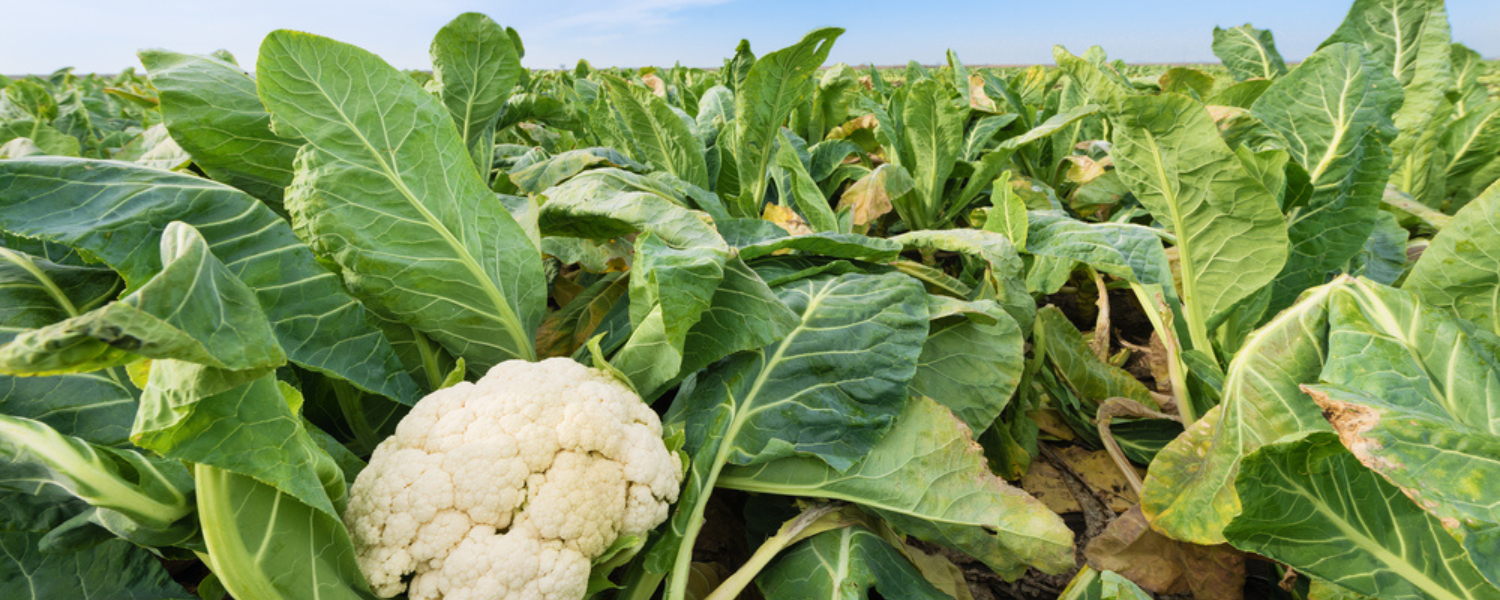
Kohlrabi is a crisp, juicy member of the cabbage family that delivers serious nutrition with a light touch. It’s an excellent source of vitamin C, the antioxidant vitamin your body uses to support immune defenses and build collagen in connective tissues. Its hearty fiber feeds beneficial gut bacteria, supports regularity, and helps steady post‑meal blood sugar. Potassium in kohlrabi supports healthy blood pressure and normal muscle and nerve function, while B vitamins such as B6 and folate assist everyday energy metabolism. Like other brassicas, kohlrabi contains glucosinolates that, when chopped and chewed, form isothiocyanates—compounds studied for their role in cellular protection and antioxidant activity. Choose purple varieties for an extra touch of anthocyanins. Low in calories yet satisfying and hydrating, kohlrabi brings refreshing crunch and nutrient density to your plate.
Holistic
Kohlrabi—literally cabbage turnip in German—has long been a cool‑weather staple from Central Europe to South Asia, prized for its resilience, storability, and clean, peppery sweetness. In traditional kitchens it bridged seasons, offering crisp freshness in winter salads and comforting presence in gentle braises and soups. Cooks have long associated the mustardy snap of brassicas with feeling clear and invigorated, and served them as fortifying foods alongside hearty grains and broths. Today, kohlrabi still fits beautifully into a holistic table: light yet grounding, it encourages mindful eating with its satisfying crunch, supports everyday vitality with steady nutrients, and brings a sense of seasonal rhythm—raw and bright when you want lift, slow‑cooked and soothing when you crave warmth.
Products