Kale
Beauty
Think of kale as beauty nutrition in its most natural form. Vitamin C is essential for normal collagen production—the scaffolding that keeps skin supple and firm—and kale is generous with it. Beta-carotene (a precursor to vitamin A) supports healthy skin cell turnover for a smooth, even look, while lutein and zeaxanthin help defend skin against light-induced oxidative stress from every day sun and screens. Kale’s sulfur-containing phytochemicals, along with minerals like copper and manganese, support your skin’s antioxidant defenses, helping protect against the dulling effects of pollution and busy living. Its gentle plant omega-3 (ALA) contributes to a balanced inflammatory response, and potassium and magnesium aid healthy hydration and barrier function for a fresh, comfortable complexion. For hair, the synergy of iron with vitamin C supports normal oxygen delivery to follicles, and folate assists new cell growth—nutritional details that quietly show up as stronger-looking strands, a healthier scalp, and that natural, lit-from-within glow.
Culinary Uses
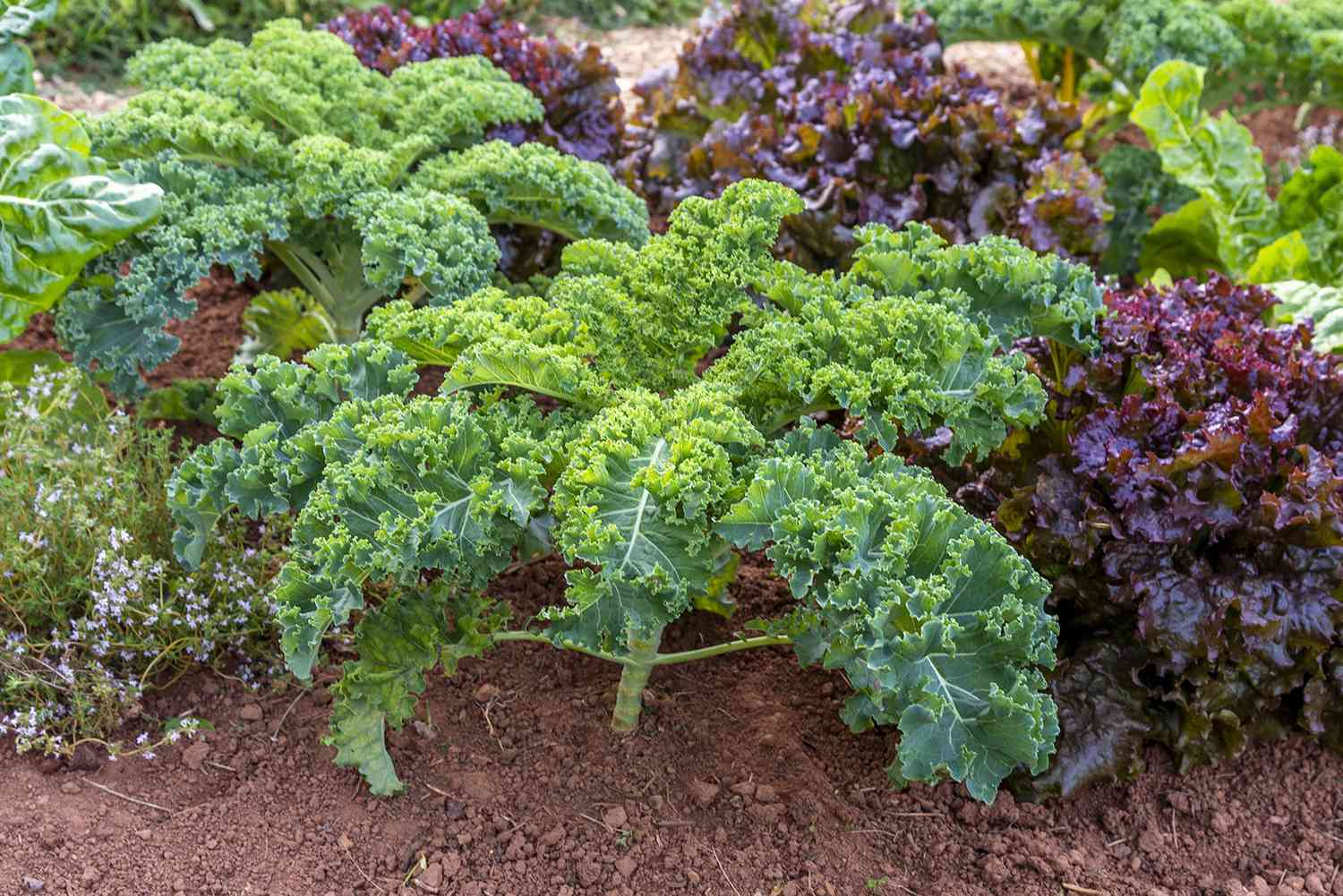
Kale shines in both rustic and modern kitchens. For raw salads, remove the ribs, slice finely, and massage with a pinch of salt, lemon, and olive oil until silky—then toss with tahini, citrus, or a Parm-and-anchovy Caesar-style dressing. Sauté it with garlic, chili, and extra-virgin olive oil; fold into frittatas; or braise with broth, white beans, and herbs. It’s a natural in soups and stews (think minestrone or Portuguese-style caldo verde) and adds verdant body to grain bowls with farro or quinoa. Blitz into smoothies with pineapple, mango, ginger, and lime for a bright, balanced sip. For a crisp snack, bake kale leaves into chips with olive oil and sea salt, or dust with nutritional yeast for a savory finish. Swap basil for kale in pesto with walnuts and lemon. Classic pairings include: lemon, garlic, chili flakes, olive oil, miso, soy or tamari, sesame, Parmesan or pecorino, anchovy, potatoes, sausage, bacon, beans, chickpeas, apples, pears, toasted almonds, and walnuts. Lacinato (Tuscan) is lovely for salads and quick sautés; curly kale brings hearty texture to soups and bakes.
Health
Kale is a compact powerhouse of micronutrients that support everyday vitality. Its deep-green leaves deliver vitamins A (as beta-carotene), C, and K in abundance—nutrients that help maintain normal immune function, support healthy vision, and assist with bone health and blood clotting. Kale’s fiber feeds beneficial gut bacteria and helps you feel satisfied, promoting steady energy between meals. As a member of the cruciferous family, it contains glucosinolates that convert into biologically active compounds (such as isothiocyanates) which help activate your body’s own antioxidant and detoxification enzymes. You’ll also find lutein and zeaxanthin—carotenoids that concentrate in the eyes—along with polyphenols like quercetin and kaempferol that help counter everyday oxidative stress. Its minerals—potassium, calcium, magnesium, and a touch of iron—support fluid balance, muscle function, and oxygen transport, while vitamin C in the same bite helps your body absorb plant-based iron. Even a small amount of plant omega-3 (ALA) rounds out kale’s nutrient profile, making it a smart, daily foundation for whole-body wellness.
Holistic
Long before “superfood” was a headline, kale was a cold-weather staple across the Mediterranean and Northern Europe—valued for its hardiness, satisfying bite, and nourishing depth. Traditional kitchens leaned on these sturdy greens in broths, stews, and rustic dishes to fortify during the darker months. In holistic food wisdom, kale’s naturally assertive, slightly bitter character has been appreciated for centuries for how it awakens the palate and signals the body to ready its digestive juices. As a crucifer, it’s also been embraced for supporting the body’s inborn cleansing pathways—an everyday nudge toward balance rather than a quick fix. Enjoying kale with a drizzle of olive oil honors time-tested pairing: healthy fats help you absorb fat-soluble nutrients like vitamin K and carotenoids. Whether gently wilted in a warming soup or finely sliced into a bright salad, kale carries the spirit of seasonal eating—resilient, grounding, and deeply restorative.
Products