Ice Cream
Beauty
Beauty loves balance, and ice cream’s dairy base offers it in edible form. Vitamin A supports normal skin cell turnover, helping maintain a supple, resilient complexion. Milk proteins deliver amino acids that your body redeploys to maintain collagen and keratin—the structural proteins behind smooth skin, strong hair, and healthy nails. Riboflavin (B2) contributes to the maintenance of normal skin, while vitamin B12 supports healthy cell renewal from within. Enjoyed mindfully, a silky, cold scoop can also be a small ritual that eases tension—calm that often shows up as a softer, more luminous look.
Culinary Uses
Keep a pint on hand and your kitchen becomes a dessert studio. Enjoy it on its own, or pair with in-season fruit—strawberries, peaches, roasted figs—or a square of dark chocolate. Crown warm classics like pies, crumbles, brownies, waffles, or brioche for that hot-cold magic. Build sundaes with toasted nuts, salted caramel, berry coulis, or a drizzle of good olive oil and a pinch of flaky sea salt. Whirl into milkshakes and malts; float it over cold brew; or pour hot espresso for an affogato. Sandwich between cookies, tuck into crepes, or swirl with spices (cinnamon, cardamom) and herbs (mint, basil) for a fresh twist. Whatever the flavor, ice cream is a ready canvas that elevates everyday ingredients into something memorable.
Health
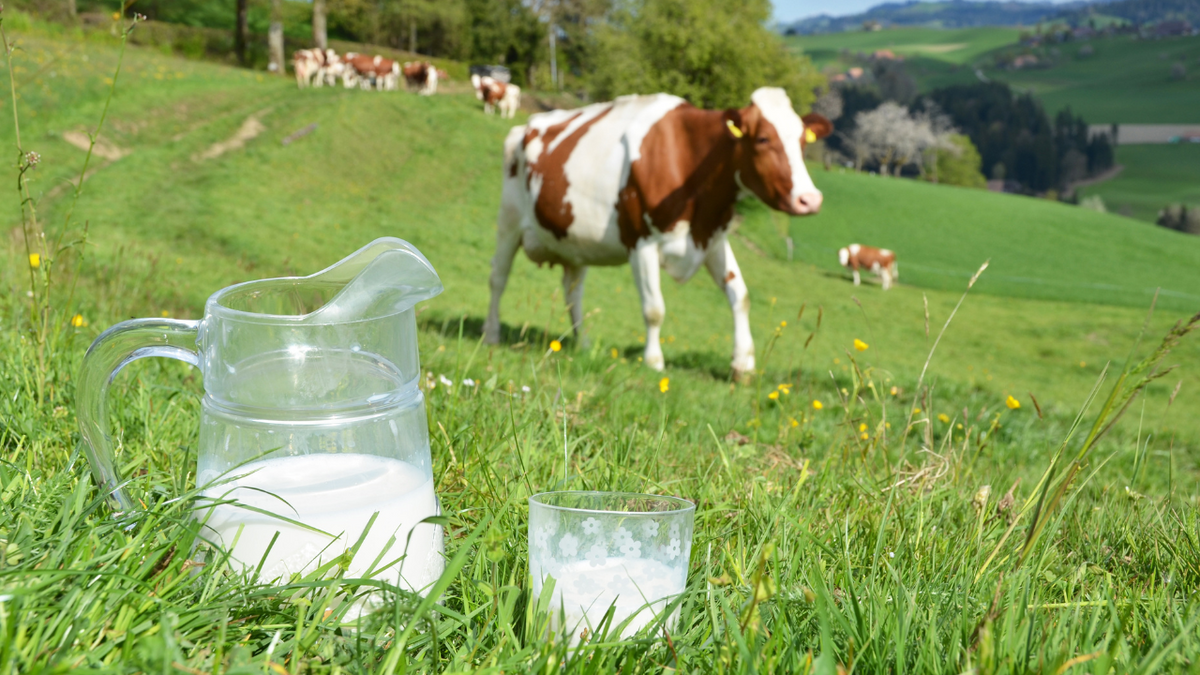
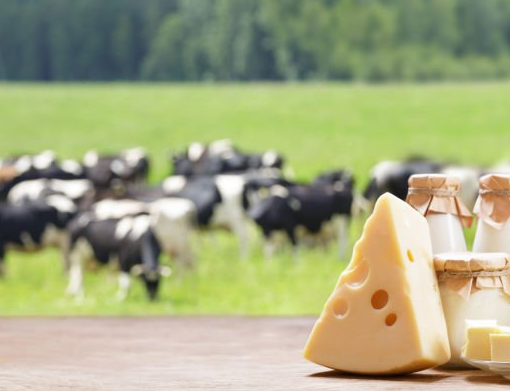
A well-made dairy ice cream is more than a treat; it is a compact source of key dairy nutrients. Each scoop naturally supplies calcium and phosphorus that work together to support strong bones and teeth, along with potassium that helps normal muscle and nerve function. It provides vitamin A, important for immune health and vision, plus vitamin B12 and riboflavin (B2) to support energy metabolism and red blood cell formation. The milk proteins in ice cream carry essential amino acids your body uses for muscle repair and everyday maintenance, and the creamy texture helps make it satisfying, so a small portion can genuinely feel indulgent and complete. Calcium from dairy is also readily absorbed, supported by the natural interplay of lactose and milk proteins in the dairy matrix.
Holistic
Cultures have cherished frozen creams and ices for centuries—from early Persian and Chinese iced sweets to Italian gelato and American soda fountains. Beyond nourishment, ice cream has long marked celebrations, summer evenings, and shared pauses. That sensory contrast—cold, creamy, sweet—creates a grounding moment that invites presence, nostalgia, and connection. In a holistic sense, it is comfort you can taste: a simple way to punctuate a day with pleasure and community.
Products