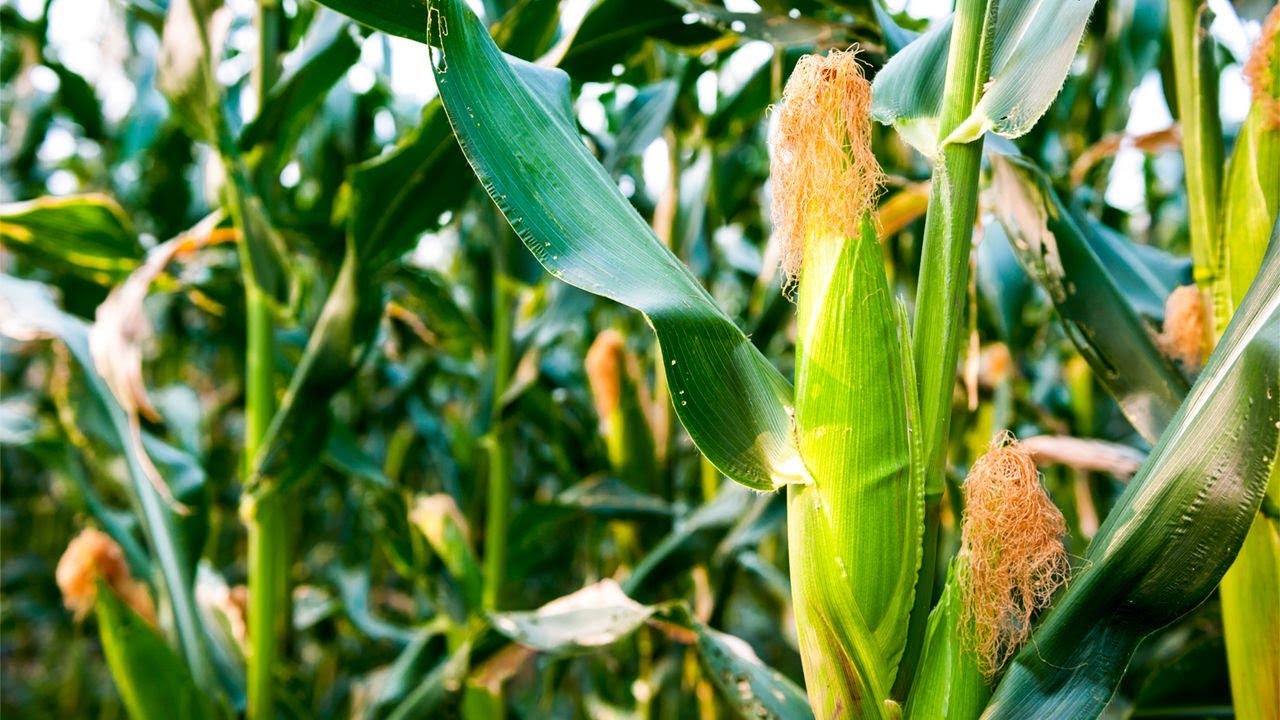
Corn
Beauty
From the inside out, corn offers subtle, real‑world glow. Its carotenoids (lutein and zeaxanthin) help defend skin against everyday oxidative stress—the same process that can dull tone and chip away at collagen. A touch of vitamin C contributes to collagen support, while B vitamins assist the energy needs of fast‑renewing tissues like skin and the scalp. Corn is also a natural source of ferulic acid—the beloved antioxidant often paired with vitamins C and E in skincare—known for its ability to bolster antioxidant defenses. Together, these nutrients help keep skin looking fresh, even‑toned, and resilient, and hair with natural vitality.
Culinary Uses
Fresh corn shines in countless forms. Grill ears in their husks for smoky sweetness, or char the kernels in a hot skillet to caramelize their natural sugars. Fold into salads with tomatoes, avocado, basil, and a squeeze of lime; toss with black beans, cilantro, and chili for a bright salsa; or stir into chowders and succotash. Off the cob, think creamed corn, fritters, corn pudding, and buttery skillet corn. Classic pairings include lime, chili, cotija or feta, scallions, cumin, smoked paprika, bacon or chorizo, and soft herbs like cilantro and chives. Beyond fresh: transform corn into masa for tortillas, tamales, and pupusas; grind for cornmeal to make cornbread, polenta, or grits; or pop it into a whole‑grain snack. Don’t toss the cobs—simmer them to make a subtly sweet broth that enriches soups, risottos, or even ice cream bases.
Health
Corn is whole‑food energy, wrapped in a golden package. A fresh ear delivers complex carbohydrates for steady fuel, along with fiber that supports healthy digestion and a diverse gut microbiome. Yellow kernels are naturally rich in carotenoids—especially lutein and zeaxanthin—antioxidants best known for nourishing the eyes. You’ll also find B vitamins like thiamin (B1) to help convert food into energy, plus folate for healthy cell turnover. Minerals such as magnesium and phosphorus support muscles and bones, while potassium helps maintain fluid balance. Cooked and cooled corn develops some resistant starch, which acts like a prebiotic to feed beneficial gut bacteria. In short: satisfying, gentle on the system, and quietly nutrient‑dense.
Holistic
For thousands of years, maize has been a cornerstone of life across the Americas—nourishment, culture, and craft in one plant. Traditional practices like nixtamalization (soaking corn in an alkaline solution) transform it, unlocking nutrients such as niacin and adding bioavailable calcium, turning humble kernels into sustaining foods like masa for tortillas and tamales. Holistically, corn is grounding: warm, comforting energy that brings people to the table. It’s a food of seasons—summer sweetness on the cob, slow comfort in winter porridges—and a reminder that simple, well‑prepared staples can be both deeply satisfying and deeply nourishing.
Products