Rhubarb
Beauty
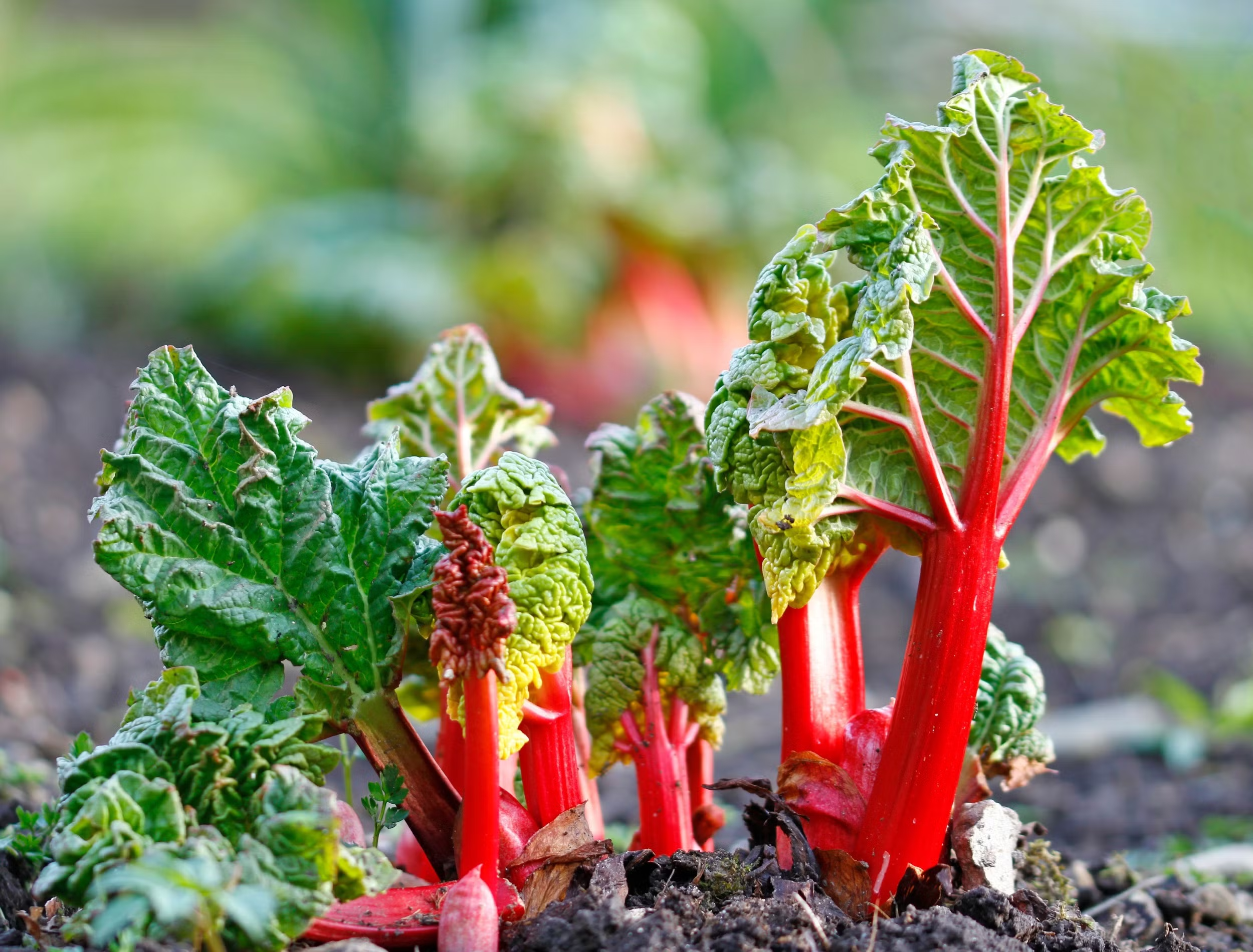
Beauty starts in the produce aisle, and rhubarb is a quiet overachiever. Its vitamin C and antioxidant polyphenols help defend skin from the oxidative stress that can dull glow and degrade collagen and elastin over time, supporting a smoother, more resilient look. Vitamin K contributes to healthy skin structure, while manganese participates in the enzymatic steps that build and maintain connective tissue. The high water content and fiber support a well-functioning gut—often reflected in clearer, more luminous skin—while the plant’s bright phytonutrients help keep tone looking even after daily environmental exposure. Think of each rosy stalk as a tidy package of “inside-out” care for complexion, scalp, and strands, helping them better weather modern life.
Culinary Uses
Think of rhubarb as citrus you can chop—its tang wakes up sweet and savory dishes alike. For desserts, pair with strawberries, raspberries, or apples; add lemon or orange zest, vanilla, ginger, or cardamom; then roast, stew, or bake into crumbles, galettes, pies, and muffins. A quick compote (diced rhubarb gently simmered with a touch of sugar or honey) is sublime over yogurt, oatmeal, pancakes, or cheesecake. For savory cooking, turn rhubarb into a chutney with onion, ginger, and warm spices to serve with pork, duck, or aged cheeses, or make a bright salsa for salmon and other rich fish. It also pickles beautifully—thin slices marinated with vinegar, a pinch of sweetener, and spices add snap to salads and sandwiches. For drinks, cook a simple syrup and strain for rosy spritzers, lemonades, and cocktails. Tip: roast or poach just until tender to keep lovely pieces; simmer a bit longer for a silky sauce.
Health
Rhubarb’s ruby stalks deliver bright flavor with impressive nutrition. Naturally low in calories and rich in water and fiber, they help keep you satisfied while supporting comfortable, regular digestion. Rhubarb is a notable source of vitamin K, a nutrient that supports healthy bones and works alongside calcium and vitamin D in the body. You’ll also find vitamin C, potassium, and manganese—team players for collagen formation, fluid balance, and overall metabolic wellness. Beyond vitamins and minerals, rhubarb provides polyphenols (including anthocyanins—the pigments behind its vivid color) that act as antioxidants, helping to neutralize everyday oxidative stress and support a calm, balanced inflammatory response. Its lively tartness also stimulates saliva and the senses, making wholesome foods feel exciting again. In short: a refreshing, smart choice when you want nutrient density without heaviness.
Holistic
Long before it starred in pies, rhubarb had a storied place in traditional wellness. Native to Asia, it traveled ancient trade routes and was prized in classical herbals for its role in digestive balance and seasonal renewal. Across Europe and the Middle East, the first spring stalks symbolized a fresh start after winter—bright, bracing, and enlivening. Today, that heritage meets modern nutrition: rhubarb’s invigorating tartness, plant acids, and polyphenols make it a natural fit for rituals that feel cleansing and restorative. Whether you simmer a simple compote or fold it into a nourishing breakfast, you’re tapping into a lineage that celebrates balance, lightness, and the uplifting energy of spring.
Products