Leeks
Beauty
Think of leeks as beauty from the inside out. Their vitamin C and antioxidants help protect collagen from everyday wear, supporting smooth, supple skin. Carotenoids like lutein and zeaxanthin contribute to a healthy-looking glow and even tone by combating oxidative stress from sun and environment. The allium family’s natural sulfur compounds are building blocks for keratin—the protein in hair and nails—while manganese helps antioxidant enzymes that keep skin more resilient. Their prebiotic fiber also supports the gut–skin connection, the quiet pathway by which a balanced microbiome can reflect as calmer, clearer-looking skin.
Culinary Uses
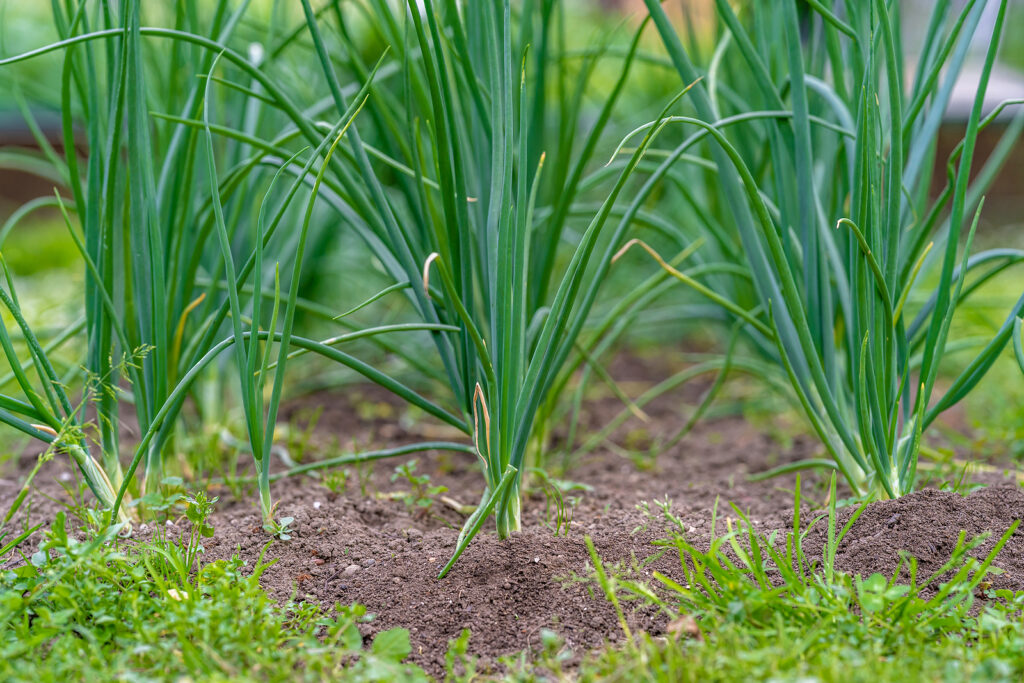
Leeks bring a delicate, sweet-allium flavor—softer than onions, more aromatic than scallions. Use the white and light-green parts for cooking, saving the dark tops for stocks. To prep, slice lengthwise and rinse to remove any hidden grit. Slowly sauté in butter or olive oil until silky for “melted leeks,” the foundation of luxurious omelets, risottos, and pastas. Braise with stock and a splash of wine, roast until caramelized, or grill halves for a smoky edge. Classic pairings include potatoes, eggs, cream, lemon, thyme, tarragon, dill, mushrooms, and cheeses like Gruyère or goat cheese. They flatter seafood (salmon, scallops), chicken, and smoky bacon. Serve chilled leeks with a mustardy vinaigrette, fold into quiches and tarts, or shave them finely and soak in ice water for a crisp, mild addition to salads. A final squeeze of lemon or shower of fresh herbs makes their sweetness sing.
Health
Leeks are gentle, green medicine disguised as a vegetable. As a member of the allium family, they deliver prebiotic fibers—especially inulin—that feed beneficial gut bacteria, supporting digestion, regularity, and a resilient immune system. They offer vitamin K for strong bones, folate for healthy cell renewal, and vitamin C to support immune defenses and collagen formation. Their carotenoids (including lutein and zeaxanthin) contribute to eye health, while polyphenols such as kaempferol and natural sulfur compounds act as antioxidants that help neutralize everyday oxidative stress. Add in potassium to help maintain normal blood pressure and you have a light, hydrating vegetable that supports overall vitality without weighing you down.
Holistic
Across kitchens and cultures, leeks have long been a symbol of simple nourishment and renewal. The ancient Romans prized them (legend has it Emperor Nero ate them for a strong voice), and they remain an emblem of Wales—celebrated for humble strength and clarity. In European tradition, warm leek soups and broths have been cherished for comfort during the colder months, a gentle way to restore the body with light, steady energy. Today, leeks carry that same holistic spirit: clean, soothing, and quietly fortifying, bridging everyday cooking with time-tested wisdom.
Products