Bok Choy
Beauty
Think of bok choy as a daily beauty tonic tucked into your dinner. Its vitamin C supports collagen synthesis—the scaffolding that keeps skin firm and smooth—while carotenoids, lutein, and zeaxanthin lend antioxidant support that helps defend skin from everyday oxidative stress. The vegetable’s high water content adds a refreshing hit of hydration to meals, and its folate supports healthy cell renewal, which is essential for a fresh-looking complexion. Together with a sprinkle of minerals and plant antioxidants, bok choy helps nourish skin and scalp from the inside out, promoting a natural, energized glow.
Culinary Uses
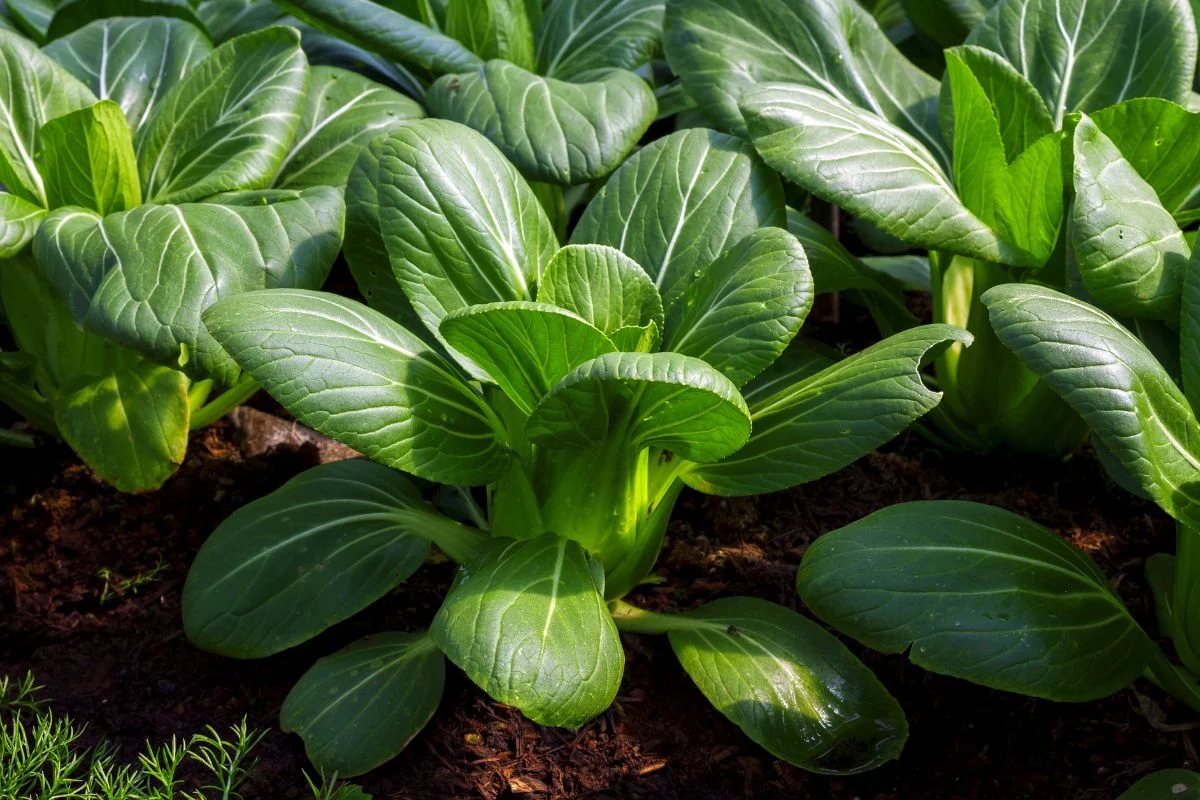
Bok choy shines when you respect its two textures: cook the crunchy stalks first, then fold in the delicate leaves at the end. For a quick stir-fry, heat oil until shimmering, add garlic and ginger, toss in sliced stalks for 2–3 minutes, then finish with the leaves for 30–60 seconds and a splash of soy sauce, rice vinegar, or oyster sauce. Halved baby bok choy sears beautifully—char cut-sides in a hot pan and glaze with miso-butter or sesame-soy. It’s superb in soups and noodles (ramen, wonton, pho-inspired bowls), steamed and drizzled with chili crisp, or grilled and finished with lemon and toasted sesame. Raw, it brings snap to salads and slaws; thinly slice and dress with citrus, sesame oil, and a pinch of salt. Classic pairings include garlic, ginger, scallions, mushrooms, tofu, shrimp, chicken, chili, sesame, soy, and citrus. Rinse well between the stalks, slice, let rest a few minutes to develop flavor-boosting compounds, and keep the cook quick to preserve its emerald color and lively crunch.
Health
Bok choy is a crisp, hydrating member of the cruciferous family, prized for delivering a remarkable amount of nutrition with very few calories. It’s naturally rich in vitamin C to support immune function and collagen formation, vitamin K for normal blood clotting and bone metabolism, and provitamin A carotenoids that the body converts to vitamin A for vision and cellular health. You’ll also find folate for healthy cell turnover, potassium for fluid and electrolyte balance, and gentle fiber that helps keep digestion regular while feeding a healthy gut microbiome. Like other brassicas, bok choy contains glucosinolates—plant compounds that, when chopped and allowed to rest briefly, convert into beneficial isothiocyanates. A practical tip: slice or shred your bok choy and let it sit for 5–10 minutes before cooking to allow this natural enzyme activity to occur. Pairing bok choy with a touch of healthy fat (think sesame oil or olive oil) helps your body absorb its fat-soluble nutrients, including carotenoids and vitamin K.
Holistic
For centuries across East Asia, bok choy has been a quiet staple—slipped into broths, wok-seared with aromatics, and served alongside richer dishes to bring balance and lightness to the table. In traditional foodways it’s appreciated for its gentle, refreshing character: crisp white stalks, tender emerald leaves, and a subtly sweet, clean flavor that feels restorative. As a daily “food as medicine” vegetable, it embodies the idea that consistent, simple choices—like a bowl of soup dotted with bok choy—can help the body feel clear, balanced, and well-nourished.
Products