
Fruit
From Farm to Table
Discover the nutritional value of real food and the farming practices behind it.
Apples
Beauty
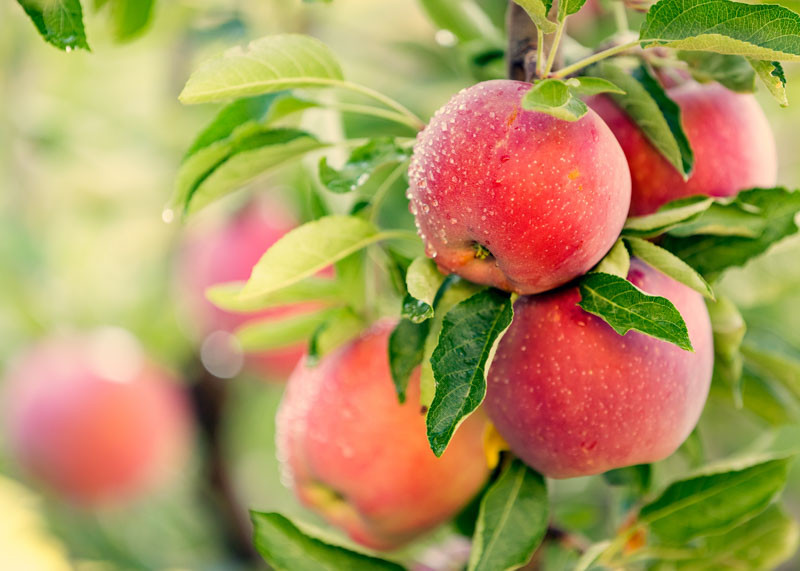
Beauty loves habits that work quietly from within, and apples are exactly that. Vitamin C supports your skin’s own collagen production for a firm, resilient look, while apple polyphenols—especially quercetin in the peel—help defend against the oxidative stress triggered by sun exposure and pollution. Pectin’s prebiotic fibers nourish friendly gut bacteria, which is increasingly linked to clearer, calmer skin through the gut–skin connection. The fruit’s high water content helps keep your complexion comfortably hydrated from the inside out. Keep the peel on to capture the lion’s share of antioxidants, and enjoy the satisfying crunch—chewing boosts saliva, a simple way to keep your smile feeling fresh.
Culinary Uses
Apples shine in both sweet and savory kitchens. Enjoy them fresh—sliced with sharp cheddar or a swipe of almond butter; folded into yogurt, oats, or leafy salads; or tucked into slaws with lemon to keep their color bright. Cook them down into a chunky compote, applesauce, or silky apple butter; bake into pies, crisps, galettes, muffins, or pancakes; or sauté with onions to serve alongside roast chicken or pork. Their sweet‑tart balance loves warm spices (cinnamon, nutmeg, ginger, cardamom), fresh herbs (sage, rosemary, mint), and pantry friends like honey, maple, and citrus. Pair with nuts (walnuts, pecans, almonds), cheeses (cheddar, brie, blue, gouda), and vegetables like fennel, cabbage, and kale. For quick prep, thin slices add crunch to sandwiches and grain bowls, while a squeeze of lemon or a splash of vinegar keeps slices vibrant and lifts their flavor.
Health
A crisp apple is a smart daily habit for whole‑body wellness. One medium apple delivers about 4 grams of fiber, much of it as pectin—a soluble fiber that forms a gentle gel in the gut, helping you feel satisfied, supporting healthy digestion, smoothing the rise of blood sugar after a meal, and assisting the body in clearing cholesterol-rich bile. Apples are also brimming with polyphenols (notably quercetin, catechin, chlorogenic acid, and phloridzin) that act as antioxidants to help protect cells and support heart and vascular health; most of these live in and just under the peel. A medium apple provides vitamin C to bolster immune defenses and collagen formation, plus potassium to help maintain healthy blood pressure balance. With about 86% water, apples hydrate while delivering slow, steady energy. Their natural crunch stimulates saliva, which helps keep your mouth feeling clean between brushes.
Holistic
Long before nutrition labels, apples were a daily ritual of common-sense care. The old Welsh proverb, “An apple a day keeps the doctor away,” nods to generations who leaned on this humble fruit for steady, uncomplicated nourishment. In many homes, gently stewed apples with a pinch of warm spice were—and still are—a soothing choice when the stomach needs something soft and settling, thanks to pectin’s naturally calming texture. As a symbol of harvest and abundance, apples invite us to eat with the seasons and savor simple pleasures. Taking a moment to breathe in their fragrant snap and crunch can turn an ordinary snack into a grounding pause in a busy day.
Apricots

Beauty
Think of apricots as a daily beauty treatment from the orchard. Their carotenoids and vitamin C work together like an internal skincare duo: antioxidants help defend skin from oxidative stress, while vitamin C supports collagen—the structural protein that keeps skin smooth and resilient. The fruit’s water content helps maintain a fresh, plump look, and its natural potassium supports healthy skin hydration from within. Apricots also offer small but meaningful amounts of vitamin E and copper, both involved in protecting skin lipids and normal pigment balance. Enjoy them regularly and you’ll be feeding your complexion with the very nutrients that help it look bright, even‑toned, and well-rested. Hair benefits, too: the same antioxidants and minerals support a healthy scalp environment—the foundation for strong, glossy strands.
Culinary Uses
Apricots shine in both sweet and savory kitchens. Enjoy them fresh—slivered over yogurt, cottage cheese, or leafy salads with goat cheese and toasted almonds. Their tangy-sweet flavor pairs naturally with vanilla, honey, lemon, and herbs like thyme or basil. Heat intensifies their perfume: roast or grill halved apricots with a brush of olive oil to serve alongside pork or chicken, or fold them into a warm grain bowl with pistachios and mint. For baking, they’re superb in galettes, upside-down cakes, clafoutis, and quick jams or compotes. Dried apricots bring chewy brightness to pilafs, couscous, tagines, trail mixes, and cheese boards; they also love the company of cinnamon, cardamom, saffron, and a splash of orange blossom water. For a fast upgrade, simmer apricots into a pan sauce with shallot and a squeeze of lemon, or blitz them into smoothies for fragrant, velvety sweetness.
Health
Apricots are small, sunlit powerhouses. They bring together water, fiber, and a spectrum of protective plant compounds to support everyday wellness. Their golden hue comes from carotenoids—especially beta‑carotene—which the body can convert into vitamin A to nourish normal vision and support a healthy immune system. You’ll also find vitamin C, which helps your body build and maintain collagen while neutralizing free radicals from daily life. A natural source of potassium, apricots help keep fluid balance and support healthy muscle and heart function. Their gentle mix of soluble and insoluble fiber supports comfortable digestion, regularity, and a satisfied feeling after eating. Add in polyphenols (the antioxidant compounds plants make to protect themselves) and you have a fruit that quietly supports cellular health from the inside out—hydrating, fortifying, and refreshing in every bite.
Holistic
Apricots have traveled with humanity for millennia, cherished across Central Asia, the Mediterranean, and the Middle East. Botanically known as Prunus armeniaca—the “Armenian plum”—they were carried along ancient trade routes and celebrated as symbols of warmth and vitality. Families have long dried apricots under the sun to capture their goodness for lean seasons, and in many traditions, apricot drinks and leathers are shared to gently revive the body after a fast. Holistically, apricots are the essence of seasonality: a fruit that arrives with long days and bright skies, offering light, clean energy, easy digestion, and quiet comfort. They fit beautifully into a balanced, plant-forward way of eating—nourishing body and spirit with simple sweetness and golden color.
Blackberries

Beauty
Beauty begins with resilient skin—and blackberries deliver the building blocks. Vitamin C is essential for collagen synthesis, the protein that keeps skin feeling firm and looking smooth. Manganese contributes to collagen formation and antioxidant enzyme activity, helping defend against the oxidative stress that can dull skin’s radiance. Anthocyanins and ellagic acid add another layer of protection, supporting a more even-looking tone and that healthy, fresh-faced glow. Their high water content helps keep you hydrated from within, and the fiber supports a well-functioning system—so your complexion can reflect that internal balance. Even hair benefits from the nutrient synergy: vitamin C supports strong connective tissue around hair follicles, while polyphenols help protect against everyday environmental stressors.
Culinary Uses
Juicy, sweet-tart, and versatile, blackberries shine in both sweet and savory cooking. Tumble them over yogurt, oatmeal, or pancakes; fold into muffins and quick breads; or bake into crisps, cobblers, and galettes. Whirl into smoothies or blitz with a touch of honey and lemon for a vibrant coulis or freezer-friendly pops. For a seedless sauce, simply press through a fine sieve. They adore bright company: lemon or orange zest, vanilla, ginger, cardamom, and even a crack of black pepper. Pair with herbs like mint, basil, or thyme; with cheeses such as chèvre, feta, or blue; and with almonds, pistachios, or hazelnuts for texture. On the savory side, reduce blackberries with balsamic and a sprig of rosemary for a glossy pan sauce over salmon, duck, or pork. Toss fresh berries into a spinach salad with toasted nuts, or muddle them into spritzers, lemonades, and cocktails. Fresh, frozen, sauced, or jammed—blackberries bring color, lift, and a quietly sophisticated tang to almost anything you make.
Health
Blackberries are little powerhouses of fiber and protective plant compounds. One cup (about 144 g) delivers roughly 8 g of dietary fiber, ~30 mg of vitamin C, ~0.9 mg of manganese, and ~28 mcg of vitamin K—along with only about 62 calories and approximately 7 g of natural sugar. That fiber feeds beneficial gut microbes and helps you feel satisfied, while supporting steady energy. Vitamin C fuels immune function and collagen formation; vitamin K supports normal blood clotting and bone health; manganese plays a role in energy metabolism and the body’s own antioxidant defenses. Deep-purple anthocyanins, ellagitannins (which include ellagic acid), and quercetin give blackberries their color and their reputation for antioxidant activity, supporting healthy blood vessels and overall cellular resilience. Naturally juicy (about 88% water), they hydrate as they nourish—fresh, light, and remarkably nutrient-dense.
Holistic
For centuries, the blackberry bramble (Rubus) has been cherished as much for its leaves as its fruit. Traditional European and North American herbal practices brewed the tannin-rich leaves into a comforting, astringent tea for the mouth and throat and as a general tonic. Seasonal blackberry picking—often a late-summer ritual—has long been a way to connect with the land’s rhythm, celebrating abundance at its peak. Today we can appreciate that old-world wisdom through a modern lens: the deep color signals anthocyanins, and the gentle astringency reflects beneficial tannins—nature’s way of pairing pleasure with purpose.
Blueberries

Beauty
Think of blueberries as a daily beauty ritual you can eat. Vitamin C helps your body build and maintain collagen—the protein that keeps skin firm and resilient—while anthocyanins act like a shield against environmental stressors that can dull your glow. This gentle antioxidant support helps your complexion look fresh and even-toned. Their high water content adds to overall hydration, giving skin that supple, dewy look from the inside out. Manganese supports your own antioxidant defenses, which helps protect hair follicles from oxidative stress so strands can look stronger and more lustrous.
Culinary Uses
Blueberries are endlessly versatile—delicious fresh, frozen, or gently cooked. Toss them over yogurt, cottage cheese, or warm oatmeal with a drizzle of honey and a squeeze of lemon to make their flavor pop. Fold into pancake or muffin batter (toss the berries lightly in flour first to keep them from sinking), or simmer into a quick stovetop compote with lemon zest and a pinch of cinnamon for spooning over waffles, ricotta toast, or ice cream. They shine in savory dishes, too: make a pan sauce by reducing blueberries with shallot, balsamic, and a knob of butter to glaze chicken, pork, or salmon. Add a handful to salads with arugula, goat cheese, toasted almonds, and a lemon-olive oil vinaigrette. For weeknights, stir frozen berries into smoothies, blend into a chia jam, or whisk into a vinaigrette for a jewel-toned finish. Flavors that love blueberries: lemon and lime, vanilla, ginger, cinnamon, fresh basil or thyme; dairy like yogurt, ricotta, mascarpone, or goat cheese; nuts such as almonds, pistachios, and pecans; and dark chocolate. They’re as at home in a rustic crumble as they are in a bright, modern salad.
Health
Blueberries are small, but they carry serious nutritional clout. Their deep indigo color comes from anthocyanins—powerful plant compounds that help defend your cells against everyday oxidative stress and support healthy inflammation balance. A cup delivers roughly 3.6 grams of fiber to keep digestion moving, help you feel satisfied, and smooth out energy by slowing the release of sugars. You’ll also get vitamin C (for immune support and collagen formation), vitamin K (for normal blood clotting and bone health), and manganese (a cofactor in antioxidant enzymes). Regularly enjoying blueberries is linked with heart-smart benefits: they support healthy blood flow and endothelial function, the part of your blood vessels that helps regulate circulation. They also pair a naturally sweet taste with a modest glycemic impact, making them a smart choice for steady energy. Their polyphenols interact with the gut microbiome, helping nurture beneficial bacteria—an upstream win for whole-body wellness, from metabolism to mood.
Holistic
Long before they became a modern wellness staple, wild blueberries were gathered across North America as a seasonal treasure—eaten fresh in summer, dried for the colder months, and stirred into simple meals to add flavor and sustenance. Their midnight-blue hue has long signaled vitality in the natural world: a visual cue to the plant’s concentrated, protective pigments. From a holistic perspective, blueberries offer a quiet kind of nourishment—sweetness without excess, lightness without fuss. They fit beautifully into mindful routines: a handful with breakfast to start the day bright, a calming, naturally sweet finish to an evening meal, or a quick forage in your own kitchen when you want something that feels good and does good. Simple, elemental, and deeply satisfying.
Cantaloupe

Beauty
Think of cantaloupe as a beauty food that works from the inside out. Vitamin C is a cornerstone for collagen—the framework that helps skin look firm and resilient—while antioxidants in the melon’s sunny flesh help defend against environmental stressors that can dull complexion. Beta‑carotene (which your body can turn into vitamin A) supports healthy skin cell turnover and can contribute to a naturally radiant tone when enjoyed regularly as part of a colorful diet. Its high water content helps keep skin comfortably hydrated, and potassium assists with fluid balance—welcome news for mornings when you’d like a little less puffiness. Simple, juicy, glow‑forward nourishment.
Culinary Uses
Serve cantaloupe ice‑cold in wedges, or cube it into fruit bowls with a squeeze of lime to brighten its sweetness. It loves fresh herbs—try mint or basil—and plays beautifully with a pinch of sea salt or chili for contrast. For a classic pairing, wrap slices with prosciutto; for a lighter spin, toss with cucumber, feta, and olive oil for a crisp summer salad. Blend into smoothies, aguas frescas, or a quick chilled soup with yogurt and ginger. Freeze puréed cantaloupe into granita or pops, or spoon it over cottage cheese or Greek yogurt with toasted nuts and honey. Selection tip: choose a melon that feels heavy for its size, with a well‑defined netted rind and a fragrant aroma at the stem end. Chill before serving for peak refreshment.
Health
Cantaloupe is hydration you can bite into—naturally sweet and more than 90% water, with electrolytes that help keep fluids in balance. It’s rich in vitamin C, which your body uses to build collagen (the protein that supports skin, bones, and joints) and to neutralize everyday oxidative stress. Its vibrant orange hue comes from beta‑carotene, a provitamin A carotenoid that the body converts as needed to support healthy vision, immune function, and the integrity of skin and mucous membranes. You’ll also get potassium for muscle function and a gentle source of fiber to support comfortable digestion. In short: refreshing, nutrient‑dense, and easy on the system—an effortless way to add vitamins, antioxidants, and hydration to your day.
Holistic
Across Mediterranean and Middle Eastern tables, melons have long been a symbol of summer abundance—served chilled to revive and refresh. The name “cantaloupe” is linked to Cantalupo in Italy, where these melons were cultivated centuries ago, and they’ve been treasured ever since for their perfumed sweetness and gentle nature. Many traditional foodways view melons as naturally “cooling,” a soothing counterpoint to heat and long days, best enjoyed at peak ripeness when their aroma lifts the mood and the first bite invites you to slow down. In that spirit, cantaloupe offers more than nutrients—it offers a small ritual of care: slice, breathe in the fragrance, and savor the calm of something beautifully simple.
Cherries

Beauty
Think of cherries as a beauty treatment you can eat. Vitamin C is a cornerstone of collagen production, helping skin stay firm and luminous, while anthocyanins and other antioxidants help defend against the dulling effects of pollution and UV exposure. Their high water content supports skin hydration from within, and a touch of copper provides a mineral your body uses to build collagen and elastin. Because cherries naturally contain melatonin, enjoying them as part of an evening routine can complement healthy sleep—one of the simplest secrets to a fresh, well‑rested glow.
Culinary Uses
Enjoy cherries out of hand, or pit them (a simple paperclip or cherry pitter does the trick) and let them shine. Toss fresh cherries into salads with arugula, goat cheese, and pistachios; fold into yogurt, overnight oats, or chia pudding; or spoon over ricotta with a drizzle of honey. Cooked, they turn luxurious: simmer with a splash of balsamic and black pepper for a quick pan sauce for pork or duck, roast with vanilla to concentrate their sweetness, or bake into crisps, clafoutis, and galettes. Pairings to love include almond, dark chocolate, vanilla, lemon zest, cinnamon, cardamom, mint, and basil; cheeses like feta, burrata, and aged cheddar; grains such as farro and quinoa. Freeze pitted cherries on a sheet tray for smoothies and sorbets, simmer a 10‑minute compote for weekend pancakes, or try quick‑pickled cherries for a bright, savory accent on cheese boards and grain bowls. Dried cherries add chewy bursts of flavor to trail mix, green salads, and cookies.
Health
Cherries are a small, sweet way to nourish your body. They provide fiber that supports comfortable digestion and steadier energy, vitamin C to help your immune system and collagen formation, and potassium for healthy fluid balance, nerve function, and muscles. Their deep crimson hue comes from anthocyanins—polyphenols that help counter everyday oxidative stress and support exercise recovery. Cherries also contain naturally occurring melatonin, a hormone that helps regulate your sleep–wake rhythm. Together, these nutrients make cherries a smart everyday fruit: satisfying, refreshing, and quietly hard‑working.
Holistic
Across centuries and cuisines, cherries have stood for abundance and vitality—celebrated from ancient Mediterranean orchards to the poetic cherry blossoms of East Asia. Eaten in season, they invite a slower, more mindful kind of nourishment: a moment to pit, savor, and truly taste. Families traditionally preserved cherries as jams, compotes, and dried fruit to carry summer’s brightness into the colder months, a reminder that food can be both comfort and ceremony. With their vivid color, balanced sweetness, and gentle, naturally occurring melatonin, cherries fit beautifully into rituals that emphasize rhythm—day to night, season to season, harvest to table.
Cranberries

Beauty
Beauty begins with nourishment, and cranberries bring it elegantly. Vitamin C fuels collagen synthesis, the scaffolding that keeps skin firm and springy. Their deep‑red anthocyanins and quercetin help neutralize free radicals from sun and pollution, supporting a more even, luminous complexion over time. Cranberry polyphenols are also known for their soothing, anti‑inflammatory character—an inside‑out ally for a calm, less reactive look. Meanwhile, fiber and microbiome‑friendly compounds support gut balance, which often shows up as clearer, more radiant skin. Consider them a daily, delicious nudge toward smooth, supple, camera‑ready glow.
Culinary Uses
Cranberries bring a brisk, ruby tartness that wakes up both sweet and savory dishes. Simmer into a quick sauce with orange zest and a splash of maple, fold into chutneys with ginger and warm spices, or pulse raw into a bright relish with citrus and apple. They shine in muffins, quick breads, scones, and galettes; on cheese boards alongside brie, goat cheese, or aged cheddar; and in salads with toasted pecans, wild rice, or roasted squash. For savory mains, reduce cranberries into a pan sauce for turkey, chicken, pork, or salmon, or pickle them for a jewel‑toned condiment. Dried cranberries add tangy pops to grain bowls, trail mix, and greens. For drinks, turn them into a syrup or shrub to enliven spritzers and cocktails. Classic pairings include orange, lemon, vanilla, cinnamon, clove, star anise, rosemary, thyme, honey, and dark chocolate.
Health
Cranberries deliver vibrant nutrition in a small, tart package. They’re rich in polyphenols—especially A‑type proanthocyanidins—studied for helping maintain urinary tract health by making it harder for certain bacteria to cling to the urinary lining. Their anthocyanins and flavonols act as antioxidants, supporting healthy blood vessels and protecting LDL from oxidation—key for heart wellness. Each handful offers vitamin C for immune support and collagen formation, plus manganese, a cofactor for antioxidant enzymes. With naturally occurring fiber, cranberries help keep digestion regular and feed beneficial gut microbes, which in turn supports whole‑body resilience. It’s a smart, everyday way to multiply protective plant compounds in your diet while adding brightness to your plate.
Holistic
Long before they brightened holiday tables, cranberries were treasured across North America. Indigenous communities gathered them from coastal bogs, stirred them into pemmican for nutrient‑dense sustenance, and valued their tart, astringent character. Early settlers prized cranberries as a fresh source of vitamin C during long winters and sea voyages. In traditional herbal use, the berry’s tangy, “tightening” nature was associated with tissue tone and urinary comfort—echoing what modern research continues to explore. Today, cranberries carry that heritage forward: a seasonal symbol of vitality that bridges ancestral wisdom and contemporary nutritional science.
Elderberries

Beauty
Beauty loves berries—especially ones this inky and potent. Elderberries supply vitamin C to help your skin make and protect collagen, the springy protein that keeps skin firm and smooth. Their anthocyanins and flavonols act like a shield against environmental stressors that can dull skin or accelerate the look of aging, promoting a calmer, more even-looking complexion. From the inside out, these nutrients support microcirculation (think: a natural glow) and defend hair follicles and the scalp from oxidative stress, for hair that looks fuller and more vibrant.
Culinary Uses
Elderberries bring a tart, wine-dark depth to the kitchen. Cook them into jewel-toned syrups, jams, and compotes for spooning over yogurt, pancakes, or ice cream; shake a splash of syrup into sparkling water, tea, or cocktails for a sophisticated, berry-spiced lift. They pair beautifully with apple, pear, lemon, orange, ginger, vanilla, cinnamon, and dark chocolate. On the savory side, reduce elderberries with shallot and a splash of balsamic for a glossy pan sauce that flatters roast chicken, duck, or pork, or whisk the syrup into vinaigrettes for hearty salads with goat cheese or blue cheese. Dried elderberries also make deeply colored teas and shrubs, and can be folded into muffins or crumbles alongside other late-season fruit.
Health
Plush with vitamin C and deep-purple anthocyanins, elderberries are a small fruit with outsize wellness power. Their polyphenols act as antioxidants, helping your cells neutralize everyday oxidative stress and supporting a balanced inflammatory response after workouts or long days. Those same pigments are studied for supporting healthy immune defenses, especially during seasonal shifts. A natural source of fiber, elderberries also feed the beneficial bacteria in your gut—an often-overlooked pillar of whole-body health—and contribute to steady, satisfied energy. You’ll also find potassium and flavonols like quercetin and rutin, which support healthy circulation and vascular integrity.
Holistic
Across European folk traditions, elder has long been treasured—often called the “medicine chest of the people”—with the berries simmered into syrups and cordials to fortify families through the colder months. In herbal kitchens, elderberry is paired with warming spices like ginger, cinnamon, and clove, a comforting ritual that aligns with the berry’s nurturing, seasonal-wellness reputation. Today, many still turn to elderberry as a daily tonic, appreciating both its lineage and the modern science that celebrates its polyphenol-rich profile.
Grapes

Beauty
Think of grapes as a daily beauty tonic in a bowl. Vitamin C helps your body build and maintain collagen—the protein scaffold that keeps skin supple—while copper supports the enzymes that cross-link collagen and elastin for firm, resilient texture. The vivid pigments in red and purple grapes (anthocyanins) and celebrated compounds like resveratrol and quercetin help neutralize environmental free radicals from sun and pollution, supporting a smoother look and more even tone over time. Their high water content subtly plumps the complexion from within, while antioxidant support extends to hair, helping protect follicles and strands against oxidative stress so shine and vibrancy can show through.
Culinary Uses
Serve grapes simply—chilled, crisp, and bursting—or let them elevate everyday dishes. Halve and toss into salads with peppery arugula, fennel, or celery; add toasted walnuts and a lemon–olive oil dressing for contrast. Roast a sheet pan of grapes with olive oil, thyme, and a pinch of sea salt until they blister and jam—spoon over seared chicken or pork, nestle onto ricotta toast, or swirl into warm grains. On a cheese board, they’re a natural with creamy goat cheese, Brie, sharp cheddar, or blue, and they love company from prosciutto, pistachios, and honey. For a fresh twist, make a quick salsa with chopped grapes, cucumber, mint, and lime for fish or grilled vegetables. Freeze them for a jewel-like, sorbet-soft snack, blend into smoothies, fold into yogurt, or bake into rustic tarts and rosemary-studded focaccia. However you use them, grapes bring brightness, texture, and a burst of natural sweetness to the plate.
Health
Juicy and naturally hydrating, grapes deliver a smart mix of nutrients and protective plant compounds. They provide vitamin K to support normal blood clotting and bone health, vitamin C for immune defense and collagen formation, and minerals like potassium (for healthy fluid balance and blood pressure) and copper (for energy production and antioxidant enzyme function). Their hallmark polyphenols—resveratrol, quercetin, anthocyanins, and catechins, especially concentrated in the skins of red and purple grapes—act as antioxidants that help protect cells from everyday oxidative stress while supporting flexible, healthy blood vessels and smooth circulation. Whole-grape fiber, together with these polyphenols, also nourishes beneficial gut microbes, encouraging a balanced microbiome that supports digestion and overall wellness. With their water content and easily usable carbohydrates, grapes make a refreshing, feel-good snack before or after activity.
Holistic
Across the Mediterranean and Middle East, grapes have been a symbol of abundance, hospitality, and everyday vitality for thousands of years. Families enjoyed them fresh in season, dried as raisins for portable nourishment, and pressed for juice—valuing the whole fruit, skin and pulp (and in traditional settings, sometimes the seeds) for its sustaining qualities. That time-honored intuition aligns with modern research celebrating grape polyphenols—particularly in darker varieties—for supporting heart and circulatory well-being. In short: a fruit with deep roots in ritual and cuisine that still earns its place at the table for balanced, feel-good living.
Honeydew

Beauty
Think of honeydew as a tall glass of water for your skin. Its high water content helps maintain skin’s plump, supple look, while vitamin C supports collagen—the protein that keeps skin firm and smooth. Antioxidants in honeydew help neutralize everyday oxidative stress from sun and pollution, supporting a more even, luminous appearance over time. Potassium assists with fluid balance, which can help minimize that tired, puffy look after long days or salty meals, and folate supports the steady turnover of fresh, healthy skin cells.
Culinary Uses
Honeydew shines wherever you want cool, clean sweetness. Toss cubes with cucumber, mint, and a squeeze of lime; fold into a feta, arugula, and toasted almond salad; or pair silky slices with prosciutto for a classic sweet–savory bite. Blend into smoothies with yogurt and ginger, blitz into a pale-green gazpacho with basil, or churn into granita, sorbet, or a lightly sweetened agua fresca. For a quick upgrade, try wedges with a pinch of flaky salt and chili, or skewer with berries and fresh herbs. Choose honeydew with a creamy, slightly yellow rind and a gentle give at the blossom end; chill, slice, and let its perfume and juiciness do the rest.
Health
Honeydew is a hydration hero—over 90% water—delivering fluid plus electrolytes to help keep you refreshed from the inside out. A single cup offers roughly a third of your daily vitamin C, the antioxidant that supports immune function and helps your body build collagen, and about 8% of your daily potassium to support healthy blood pressure and normal muscle and nerve function. You’ll also find a touch of folate to aid normal cell renewal and a gentle 1–2 grams of fiber to support comfortable digestion. Naturally sweet yet light (about 60 calories per cup), honeydew satisfies a dessert craving while quietly delivering nutrients your body uses every day.
Holistic
Botanically a muskmelon (Cucumis melo) in the inodorus group, honeydew has been cherished for centuries across warm climates as a naturally cooling, thirst-quenching fruit. Traditionally served chilled at the height of summer, it’s long been valued for its simple ability to refresh—light on the palate, gentle on digestion, and perfectly suited to mindful, seasonal eating. Enjoying honeydew is a small daily ritual of balance: clean sweetness, calm hydration, and nourishment that feels as good as it tastes.
Nectarines

Beauty
Beauty loves vitamin C, and nectarines deliver. Vitamin C is essential for collagen synthesis—the scaffolding that keeps skin firm and resilient—while carotenoids and polyphenols help defend against oxidative stress from sun and pollution that can dull skin’s appearance. Their naturally high water content supports a plump, dewy look, and potassium helps you appear refreshed by supporting normal fluid balance. Enjoyed regularly, nectarines offer a simple, delicious way to nurture a healthy glow from the inside out.
Culinary Uses
Nectarines shine anywhere you want bright, juicy sweetness. Slice them over yogurt, ricotta, or oatmeal; tuck into salads with arugula, soft goat cheese or feta, toasted almonds, and a squeeze of lemon; or spoon into grain bowls for a sweet counterpoint. On the grill, halved nectarines caramelize beautifully—finish with a drizzle of honey, balsamic, or olive oil and a pinch of flaky salt. They’re at home in desserts (galettes, crisps, cobblers), quick compotes, and jam, and just as lovely in savory dishes: chop into salsa with lime and chili for seafood or chicken, pair with prosciutto and burrata, or toss with tomatoes, basil, and a splash of vinegar. For drinks, blend into smoothies, muddle into iced tea or spritzers, or float slices in sangria. Tip: a little citrus (lemon or lime) brightens their flavor, and herbs like basil, mint, or thyme make their sweetness sing.
Health
Nectarines are a refreshing way to nourish your body with vitamins, minerals, fiber, and protective plant compounds. Each juicy bite delivers vitamin C to support immune function and collagen formation, along with potassium to help maintain healthy fluid balance and normal blood pressure. Their natural fiber supports comfortable digestion and feeds beneficial gut bacteria, while the fruit’s high water content contributes to everyday hydration. The vivid color hints at carotenoids and polyphenols—antioxidants that help neutralize everyday oxidative stress—making nectarines a light, satisfying choice when you want something sweet that also gives back.
Holistic
A smooth-skinned cousin of the peach, the nectarine traces its roots to ancient China and carries a name that nods to “nectar,” the mythical drink of the gods. Across cultures, stone fruits have symbolized abundance, vitality, and summertime ease—an everyday luxury you can hold in your hand. From a holistic perspective, nectarines invite a slower, more mindful ritual: choosing a fragrant fruit, letting it ripen on the counter, and savoring it at peak sweetness. Their vibrant blush signals a spectrum of plant compounds; their balance of natural sugars, fiber, and water offers gentle, satisfying energy. It’s simple, whole-food nourishment that reconnects you to the season.
Peaches

Beauty
Think of peaches as glow food. Vitamin C helps your body build collagen—the protein that keeps skin firm and resilient—while carotenoids from sun-gold flesh contribute to a healthy, lit-from-within look. Antioxidants in the fruit’s skin and flesh help defend against environmental stressors that can dull your complexion, and the naturally high water content supports soft, supple skin from the inside out. Nourishing your body with peaches also supports scalp and hair health: vitamin C assists collagen formation around hair follicles, and gentle, whole‑fruit hydration keeps strands looking smooth and touchable.
Culinary Uses
Peaches shine in both sweet and savory kitchens. Slice them over yogurt, oatmeal, or cottage cheese; tuck into salads with arugula, tomatoes, and feta; or spoon into a bright salsa with lime, jalapeño, and cilantro for grilled fish or chicken. Halve and grill until caramelized, then pair with burrata, prosciutto, basil, and a thread of balsamic. Bake into cobblers, crisps, galettes, and upside‑down cakes, or simmer into quick compotes and chutneys. Blend into smoothies with ginger, vanilla, or almond; muddle into iced tea, spritzers, or cocktails. Beautiful pairings include mint, thyme, rosemary, lemon, honey, brown butter, cinnamon, cardamom, almonds, pistachios, ricotta, goat cheese, and mascarpone. Pro tip: for easy peeling in baked desserts, score the skin, blanch 30 seconds, then slip into an ice bath; for peak flavor, let peaches ripen at room temperature and chill only once they’re fragrant and yielding.
Health
Peaches are a refreshing way to nourish your day: naturally hydrating (they’re mostly water), pleasantly sweet, and full of useful nutrients. Each juicy bite delivers vitamin C to support immune function and tissue repair, plus a mix of protective plant compounds—like carotenoids and polyphenols (including chlorogenic acids)—that help counter everyday oxidative stress. Their fiber supports smooth digestion and a healthy gut environment, and the potassium they contain helps maintain fluid balance and supports healthy blood pressure. Light yet satisfying, peaches make it easier to choose fruit over ultra-processed snacks without feeling deprived.
Holistic
Across cultures, the peach has long symbolized vitality and longevity—native to China, celebrated in Persia (hence its botanical name, Prunus persica), and cherished around the Mediterranean for millennia. In seasonal food traditions, peaches are prized as a cooling, quenching fruit of high summer—sun-warm, aromatic, and mood-lifting. Enjoyed mindfully, a ripe peach offers more than nutrients: it’s a sensory pause, a reminder to slow down and savor what’s in season—an everyday ritual that nourishes both body and spirit.
Pears

Beauty
Beauty from the inside out: pears offer vitamin C to power collagen synthesis for supple, resilient skin, while copper supports the enzymes that cross‑link collagen and defend against oxidative stress. Their polyphenols, concentrated in the skin, help neutralize everyday environmental stressors that can dull complexion. Naturally hydrating and fiber‑rich, pears support regularity and a balanced microbiome—foundations increasingly tied to calm, clear‑looking skin. The result is a quiet, dewy glow that starts at the breakfast table.
Culinary Uses
Versatile and cook‑friendly, pears shine both fresh and transformed. Slice into salads with arugula, endive, walnuts, and blue or goat cheese; fan over crostini with a swipe of ricotta and honey; or tuck into charcuterie alongside prosciutto. For heat, roast or grill halved pears with butter and thyme, or poach in spiced tea or wine until just tender for an elegant dessert. Bake into crumbles, galettes, and almond frangipane tarts, or cook down into compotes and chutneys for pork and roast chicken. In the morning, fold diced pears into oatmeal or yogurt, blend into smoothies, or layer onto pancakes with cinnamon. Varieties serve different roles: Bosc holds its shape beautifully for baking and poaching; Bartlett is fragrant for sauces and canning; Anjou is an all‑purpose snacker and salad star; Comice is ultra‑juicy for cheese boards; Asian pears stay crisp for slaws and salads. Tip: to keep slices from browning, toss with a little lemon juice.
Health
Pears deliver gentle, everyday nourishment. A medium pear provides about 6 grams of fiber—much of it soluble pectin—which slows digestion, helps you feel satisfied, and supports healthy cholesterol levels. That fiber also feeds beneficial gut bacteria, which produce short‑chain fatty acids linked to a resilient gut lining and overall metabolic well‑being. With their high water content, pears hydrate as they nourish, helping maintain steady energy. They contribute vitamin C for collagen formation and immune support, potassium to support normal fluid balance and blood pressure function, and copper, a cofactor for antioxidant enzymes. The peel is especially rich in polyphenols like flavonols; enjoy pears with the skin on (well washed) to capture the most antioxidants.
Holistic
Across centuries and cuisines, pears have been a symbol of simple abundance—poached, stewed, or eaten out of hand when autumn arrives. In East Asian traditions, lightly steamed pear with a drizzle of honey is a classic, soothing preparation during dry seasons; in traditional Chinese medicine it’s long been valued to “moisten” and cool internal dryness. European kitchens have leaned on pears for comfort as well—think gently simmered fruit spooned over warm porridge. However you enjoy them, pears invite a slower pace: the perfume as they ripen on the counter, the tender snap of the first bite, the quiet satisfaction of something sweet that still feels light.
Plums

Beauty
Beauty loves plums for their skin-smart nutrients and glow-giving hydration. Vitamin C is a hero here: your body uses it to build collagen, the protein that keeps skin supple and resilient. The fruit’s anthocyanins and other polyphenols act like tiny bodyguards, helping neutralize oxidative stress that can dull skin’s appearance after busy days and sun exposure. Golden-fleshed varieties contribute carotenoids, which support a healthy-looking tone, while the fruit’s high water content helps skin look plump and fresh from within. A fiber-friendly gut often shows up in your complexion too—think calm, clear, more even-looking skin. Add it up and plums offer a naturally sweet way to support smooth, springy skin and a healthy, lit-from-within look.
Culinary Uses
Plums are as versatile as they are vibrant. Eat them out of hand, slice over yogurt or cottage cheese with a drizzle of honey, or tuck wedges into salads with arugula, fennel, and goat cheese. Heat coaxes depth: grill or roast with a gloss of olive oil, then finish with sea salt and thyme; or simmer into compote with cinnamon, cardamom, or star anise. Their sweet-tart juice makes elegant pan sauces for pork or duck, lively chutneys with ginger and mustard seed, or bright salsas with chili and lime. For baking, think rustic galettes, crumbles, the beloved plum torte, or a custardy clafoutis. They’re wonderful with almonds, pistachios, walnuts, vanilla, balsamic, and citrus zest, and they blend beautifully into smoothies, spritzers, and shrubs. When the season peaks, cook down a quick jam or puree into a silky coulis—summer in a spoon.
Health
Plums deliver hydration, fiber, and protective plant compounds in one juicy bite. Their natural water content helps you rehydrate, while potassium supports normal fluid balance and muscle function. A mix of soluble and insoluble fiber, together with naturally occurring sorbitol, gently supports regularity and a comfortable, happily moving gut. Plums provide vitamin C to help your body make collagen and keep everyday immune defenses humming, plus small amounts of vitamin K and carotenoids. The richest gifts hide in the skin: deep purple and ruby varieties are loaded with anthocyanins and chlorogenic acids—antioxidants that help counter everyday oxidative stress from life and sun. All of this comes with bright, refreshing sweetness that’s balanced by fiber for steadier energy than a typical sugary snack. In short: plums are light, satisfying, and quietly powerful—nutrition that feels as good as it tastes.
Holistic
Across many food traditions, plums are a late-summer emblem of balance—sweet meeting tart, softness meeting snap. Cooks have long stewed them into soothing compotes, sipped their jewel-toned syrups, and preserved their brightness for the colder months, trusting the fruit’s gentle fiber and refreshing character to bring comfort to the table. Their color tells a story: darker skins signal anthocyanins; golden flesh hints at carotenoids—an edible reminder of the “eat the rainbow” wisdom. And while prunes (the dried form of plums) are the kitchen’s classic digestive companion, fresh plums share the same lineage and plant compounds, offering a lighter, more delicate way to enjoy those benefits. Enjoyed mindfully, a ripe plum can turn a snack into a small ritual—grounding, satisfying, and seasonally in tune.
Raspberries
Beauty
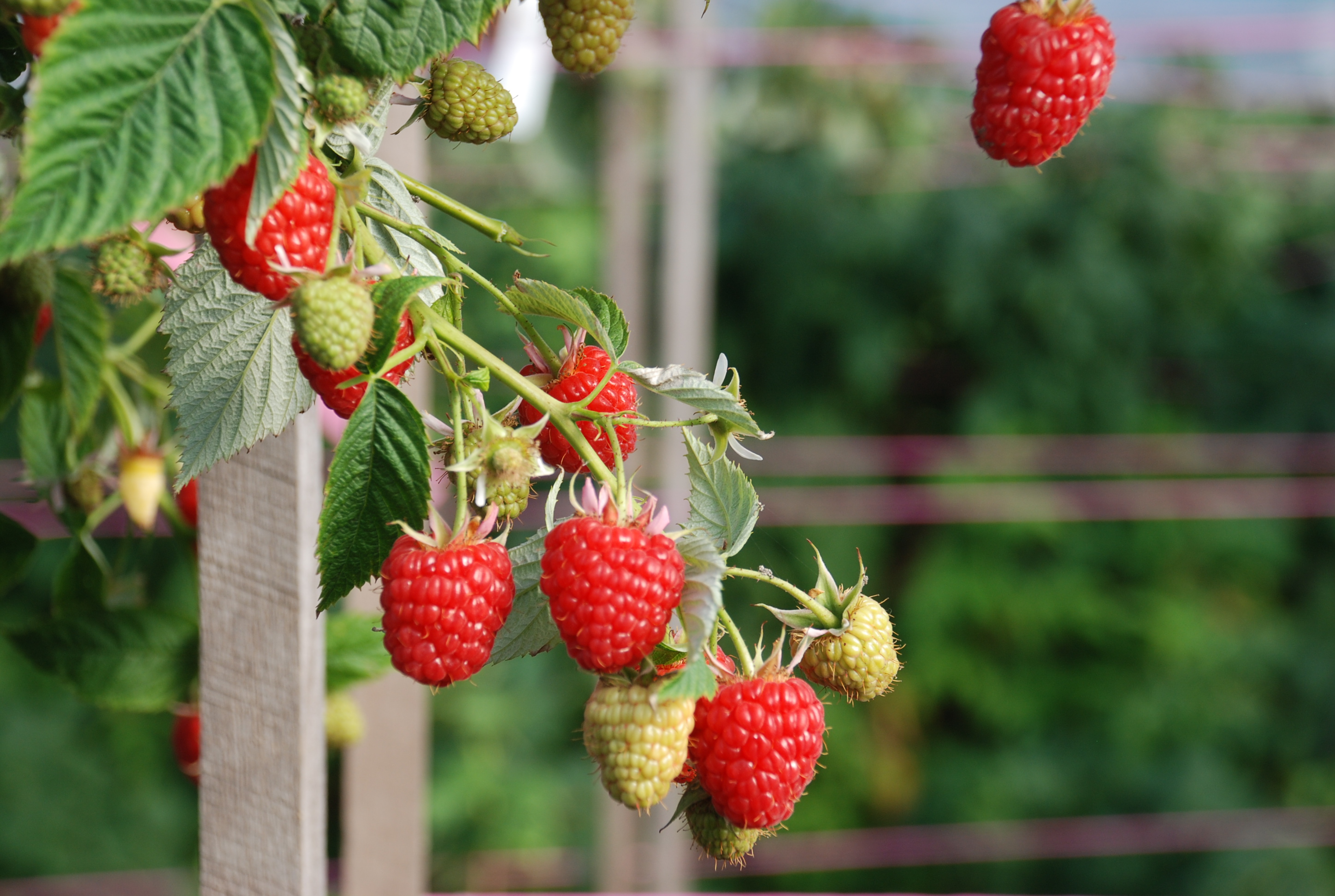
Think of raspberries as a daily beauty assist from the inside out. Their vitamin C helps your body build and protect collagen, the scaffolding for firm, smooth skin. Anthocyanins and ellagic acid offer antioxidant support against everyday environmental stressors that can dull the complexion, while manganese plays a role in your own antioxidant defenses. Raspberries are also naturally water-rich, lending gentle hydration. Enjoy them with iron-containing plant foods (like oats, nuts, or leafy greens)—their vitamin C can enhance iron absorption, a quiet win for healthy-looking hair. The overall effect is subtle but meaningful: a nutrition pattern that supports bright, supple skin and a fresh, well-rested look.
Culinary Uses
Raspberries bring a pop of acidity and perfume to both sweet and savory dishes. Tumble them over yogurt, chia pudding, or oatmeal; fold into pancakes, muffins, or a simple almond cake; or spoon a quick coulis (just berries, a touch of sugar, and lemon) over cheesecake or ice cream. They pair beautifully with dark chocolate, vanilla, citrus, almond, pistachio, hazelnut, mint, basil, and rose. For savory flair, toss fresh berries into an arugula salad with goat cheese and toasted walnuts, crack black pepper over them, or reduce with balsamic for a glossy sauce to drizzle on chicken, duck, or roasted vegetables. Blitz into smoothies, shake into cocktails and mocktails, or steep in vinegar for a rosy pantry staple. For easy prep, briefly macerate with a squeeze of lemon and a pinch of sugar to create jewel-like juices, or freeze on a tray and store for baking, smoothies, and sauces year-round.
Health
Raspberries are small, mighty, and impressively nutrient-dense. A single cup offers about 8 grams of fiber—fuel for a healthy gut and a steady, satisfied appetite. They’re naturally low in sugar and calories, yet rich in vitamin C, which supports immune function and helps your body form collagen, the protein that keeps tissues resilient. You’ll also find manganese, a mineral involved in energy metabolism and bone support. Their vivid ruby color comes from anthocyanins, alongside ellagitannins (which your gut can convert to urolithins)—polyphenols studied for their antioxidant and inflammation-modulating properties. Together, fiber and polyphenols help nurture a diverse microbiome, while the berry’s low glycemic impact makes it a smart choice for balanced blood-sugar meals. In short: bright flavor, deep nutrition.
Holistic
Long before they starred in patisserie, raspberries were prized in kitchen gardens and wild hedgerows across Europe and Asia. Their species name, Rubus idaeus, nods to Mount Ida, a reminder of their old-world roots. In traditional foodways, tart berries were gathered at summer’s peak, preserved as jams and syrups, and served in winter for a lift of brightness and vitality. Herbal lore has long celebrated the raspberry plant—most famously its leaves as a tea—while the fruit itself symbolized abundance and the sweetness of the season. Today, many still reach for raspberries as a simple, joyful ritual: a bowl of sun-bright berries that feels both restorative and celebratory.
Strawberries

Beauty
Think of strawberries as a skin-brightening bite. Vitamin C drives the body’s own collagen-building machinery, contributing to a firmer, more resilient complexion. Their ruby pigments (anthocyanins) and compounds like ellagic acid help defend against environmental oxidative stress—the kind that can dull skin’s glow—while manganese supports the body’s internal antioxidant enzymes. Strawberries are mostly water, offering gentle hydration from within, and their polyphenols help maintain a calm look by supporting a healthy inflammatory response. Enjoyed regularly, they’re a delicious ally for luminous skin and a fresh, healthy appearance.
Culinary Uses
Strawberries shine from breakfast to dessert—and even in savory dishes. For instant sweetness, slice and briefly macerate with a pinch of sugar and a squeeze of lemon; the juices become a ready-made sauce for yogurt, pancakes, or cheesecake. Pair them with creamy elements (burrata, mascarpone, whipped cream, Greek yogurt), tangy cheeses (goat cheese, feta), and herbs like basil or mint. A few twists of black pepper or a drizzle of aged balsamic deepen their flavor. Toss into salads with arugula, toasted almonds or pistachios, and citrus; spoon a strawberry–lime–jalapeño salsa over grilled fish or chicken. Gently roast to concentrate their flavor for compotes, galettes, pavlovas, or chia jam. In drinks, muddle into lemonade, blend into smoothies, or infuse into a simple shrub with vinegar and a touch of honey. They play beautifully with rhubarb, vanilla, dark chocolate, and citrus—versatile, vibrant, and effortless to love.
Health
Strawberries deliver serious nutrition in a light, refreshing bite. They’re an excellent source of vitamin C, the antioxidant vitamin that supports immune function and is essential for collagen formation in tissues throughout the body. Their dietary fiber helps keep digestion regular and feeds beneficial gut bacteria, which in turn produce short‑chain fatty acids that support gut integrity. Strawberries are naturally rich in polyphenols—especially anthocyanins and ellagitannins—that help neutralize oxidative stress and have been studied for vascular support and healthy inflammatory balance. You’ll also find potassium for heart and fluid balance, folate for healthy cell renewal, and manganese, a cofactor in antioxidant enzymes. With a low glycemic load and high water content, strawberries satisfy a sweet craving while helping maintain steady energy.
Holistic
Across cultures, strawberries have been a sign of spring—bright, fragrant, and celebratory. Indigenous peoples in North America enjoyed them fresh and dried; in European folk tradition, the plant’s tender leaves were sometimes brewed as a mild, tannin-rich tea. Long associated with love and festivity, strawberries have a way of lifting the senses: their color, perfume, and sweetness invite a slower, more mindful moment. In a holistic sense, they offer seasonal nourishment—light yet fortifying—connecting you to the rhythm of longer days and fresh starts.
Watermelons

Beauty
Think of watermelon as a tall glass of water for your complexion. High water content helps keep skin comfortably hydrated from within, lending that dewy, plump look. Vitamin C is a building block for collagen, the protein that keeps skin firm and smooth, while beta‑carotene and lycopene help neutralize everyday oxidative stress that can dull the skin’s radiance. Vitamin A precursors support natural cell turnover for a fresher appearance, and the gentle hydration supports a balanced scalp environment—an unsung essential for healthy‑looking hair. The result is a glow that looks like you just returned from vacation, even on an ordinary weekday.
Culinary Uses
Slice it cold and juicy and it’s perfect as is—but watermelon is endlessly versatile. Toss cubes with feta, mint, and a squeeze of lime for a bright, salty‑sweet salad. Pair it with cucumber, basil, and a crack of black pepper; or add chili, Tajín, or a pinch of sea salt to make the sweetness sing. Blend it into agua fresca, smoothies, or mocktails; freeze the purée for granita or popsicles. Cut thick slabs and grill briefly to concentrate the sugars, then finish with olive oil and herbs. Dice it into salsa with jalapeño and lime for spooning over seafood or halloumi. Don’t forget the rind—thinly sliced and quick‑pickled, it becomes a crisp, tangy treat. From picnic wedges to elegant starters, watermelon meets the moment with refreshing confidence.
Health
Watermelon is summer’s most effortless wellness upgrade: about 92% water, naturally delivering hydration along with electrolytes like potassium. That duo helps maintain fluid balance, supports normal muscle function, and keeps you feeling steady in the heat. It’s also rich in vitamin C for immune support and collagen formation, and provides vitamin A precursors (beta‑carotene) that the body uses for vision and cellular health. The fruit’s signature red hue comes from lycopene, a carotenoid antioxidant studied for heart and metabolic wellness. Watermelon also contains L‑citrulline, an amino acid that the body can convert to nitric oxide—supporting healthy circulation and exercise recovery. Light, refreshing, and fiber‑friendly, it’s a low calorie–density food that satisfies while keeping you on track with your goals.
Holistic
Watermelon has deep roots—cultivated in Africa for millennia and prized in ancient Egypt, it’s long been a symbol of relief in hot climates. In Traditional Chinese Medicine, watermelon (xi gua) is celebrated as a cooling fruit that helps clear summer heat and replenish fluids. Ayurvedic traditions similarly regard it as calming and refreshing during the hotter months. Across cultures, people not only savor the sweet flesh but also roast the seeds as a nourishing snack. However you come to it, the through‑line is timeless: watermelon restores, refreshes, and brings people together around the table.