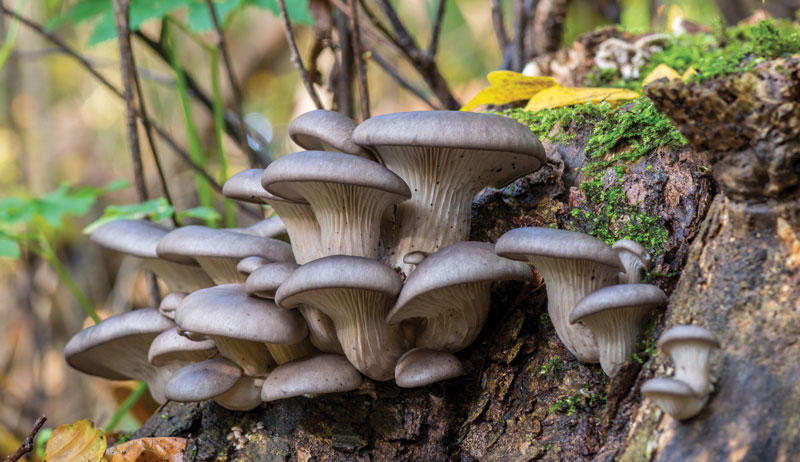
Chestnut Mushrooms
Beauty
Beauty loves nourishment from the inside out, and chestnut mushrooms deliver it in a subtle, effective way. Ergothioneine and selenium help reinforce the skin’s own antioxidant systems, supporting a clearer, calmer-looking complexion in the face of daily environmental stressors. Copper, naturally present, is a cofactor involved in collagen and elastin cross‑linking—key for skin that feels firm and resilient—and it also plays a role in normal hair pigmentation. B vitamins, especially niacin and riboflavin, support healthy skin barrier function and steady energy in skin cells, which translates to a fresher, more luminous look. Their hydrating nature and gentle fibers aid a balanced gut, and a happy gut often shows up as more comfortable, less reactive skin. The result is a quiet glow: strong, supple skin and hair supported by everyday, delicious food.
Culinary Uses
Chestnut mushrooms are kitchen workhorses with a deeper, nuttier flavor than white buttons and a firm texture that holds its shape. For best browning, wipe clean, slice, and give them room in a hot pan with olive oil or butter; resist stirring until one side is deeply caramelized, then finish with garlic, thyme, and a splash of sherry, white wine, or soy sauce to deglaze. They love: parsley, rosemary, tarragon, black pepper; balsamic or lemon; crème fraîche, cream, or Parmesan; miso, tamari, and sesame; eggs, chicken, beef, lentils, tofu; spinach, leeks, tomatoes, and grains like farro or barley. Use them in risotto, stroganoff, omelets, tacos, ramen, savory tarts, and pizzas. Chop finely for a classic duxelles, fold into meatballs or burgers for juicy umami, or roast on a sheet pan until crisp-edged. Save stems for stock. Raw, very thin slices tossed with lemon, olive oil, and shaved cheese make a bright, earthy salad.
Health
Chestnut mushrooms are a quietly powerful addition to everyday eating: light on calories yet dense with nutrients your body recognizes and uses. They provide B vitamins like riboflavin (B2), niacin (B3), and pantothenic acid (B5) that help turn food into energy and support a healthy nervous system. Their minerals matter, too—potassium for fluid balance and normal muscle function, selenium to support the body’s antioxidant defenses, and copper for red blood cell formation and connective tissue integrity. Their cell walls contain beta‑glucans and chitin—prebiotic fibers that feed beneficial gut bacteria and support comfortable, regular digestion. Mushrooms are also one of nature’s notable sources of ergothioneine and glutathione, two antioxidants that help shield cells from everyday oxidative stress. Add in a gentle dose of plant‑based protein and satisfying umami, and you have a smart, versatile food that supports satiety and well‑being without weighing you down.
Holistic
Across traditional food cultures, mushrooms symbolize grounded vitality—humble, earthy, deeply nourishing. Chestnut mushrooms, the brown cousin of the common button, have long been a cook’s daily mushroom in European kitchens: reliable, fortifying, and satisfying. Holistically, they offer more than nutrients; they deliver comfort and balance. Their umami richness makes meals feel complete, a sensory cue that encourages mindful satisfaction. Their fiber feeds the gut’s beneficial microbes, which in turn supports overall well‑being—a gentle nudge toward harmony between digestion, mood, and energy. Cooks have tucked mushrooms into broths and stews for generations, valuing their steadying presence through cooler seasons and busy days alike. In a modern wellness lens, that tradition reads as practical wisdom: simple, whole ingredients that anchor the body, calm the palate, and bring the table together.
Products