Scallions
Beauty
Scallions quietly do the beauty work from the inside out. Vitamin C helps your body weave strong, supple collagen—the protein that keeps skin firm and resilient—while the green tops’ carotenoids support normal skin renewal and help defend against everyday environmental stressors. Flavonoids found in scallions act as antioxidants, helping to tame free radicals associated with dullness and premature skin aging, so your natural glow can take center stage. You’ll also find vitamin K, which supports normal wound-healing processes, and gentle sulfur compounds that contribute to the amino acids used to build keratin—the structural protein in hair and nails. Add in their high water content, and scallions become an easy daily habit for skin that looks vibrant and well cared for.
Culinary Uses
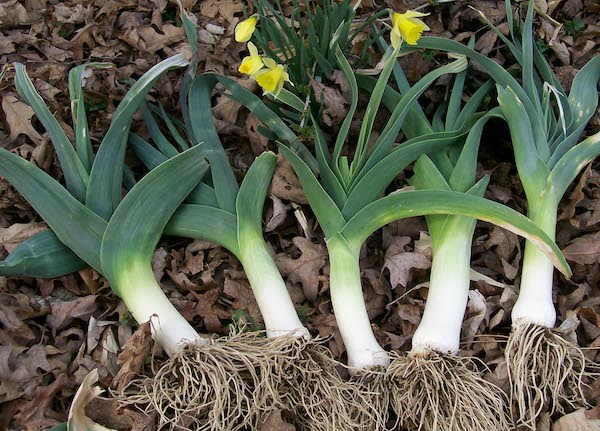
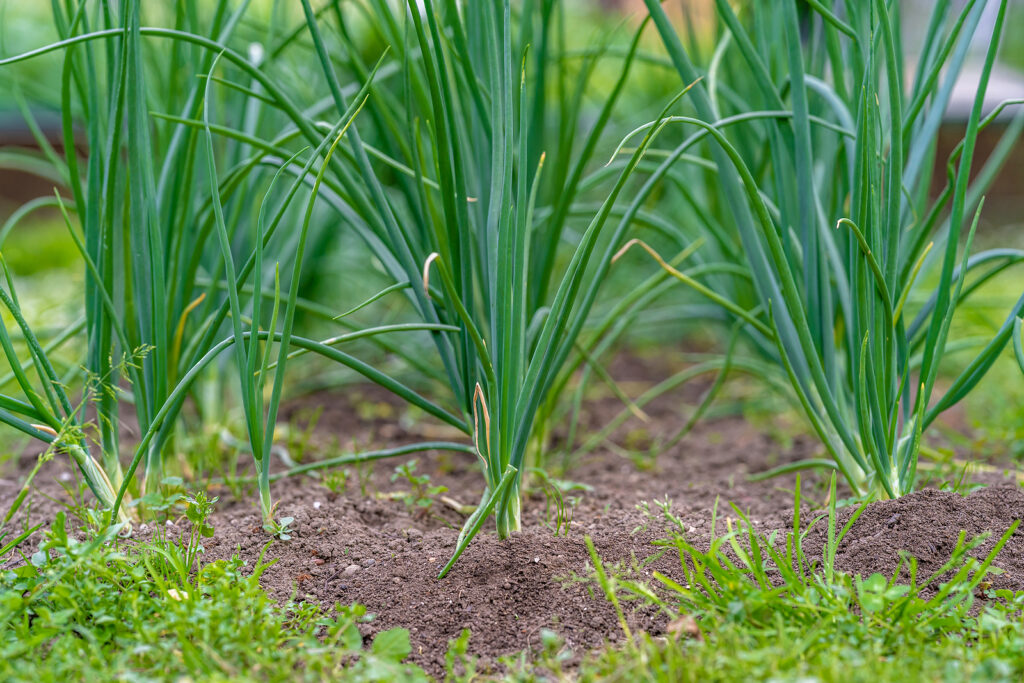
Every part of the scallion is useful: the white end brings a mild, oniony snap; the hollow green tops add freshness and color. Slice thinly on the bias for a tender crunch over eggs, avocado toast, baked potatoes, grain bowls, tacos, ramen, pho, or miso soup. Fold them into omelets and frittatas, or toss at the very end of a stir-fry to keep their brightness. Char whole scallions on a hot grill or skillet for a sweet, smoky side, or whiz them into a quick sauce: classic ginger–scallion sauce, scallion oil for noodles, or a verdant salsa verde. They’re brilliant with soy sauce, sesame, ginger, citrus, vinegar, chili, miso, butter, and olive oil, and they flatter seafood, chicken, tofu, mushrooms, rice, and potatoes. Pro tip: keep the greens for finishing and the whites for cooking; add them late to preserve their color and perfume. For an elegant garnish, soak thin ribbons in ice water—they’ll curl into delicate springs that make any plate look restaurant-ready.
Health
Light, crisp, and deeply nourishing, scallions (green onions) deliver impressive benefits in a small, flavorful package. They’re naturally low in calories yet rich in nutrients that support everyday wellness. The green tops contribute carotenoids and chlorophyll, while the whole stalk provides vitamin C for immune support and collagen formation, vitamin K for normal blood clotting and bone protein activation, and folate for healthy cell renewal. Like other members of the Allium family, scallions contain organosulfur compounds and flavonoids (including quercetin and kaempferol) that help the body counter everyday oxidative stress. Their gentle prebiotic fibers—fructans that feed beneficial gut bacteria—support a healthy microbiome and comfortable digestion. Perhaps best of all, scallions bring bright, concentrated flavor to dishes, helping you season generously without relying on heavy sauces or excess sodium.
Holistic
Across food cultures, scallions are a symbol of freshness and vitality. In East Asian traditions, young onions (cong) are often paired with ginger in simple broths or porridges, especially in cooler seasons, prized for their warming aroma and ability to enliven the senses. In Korean and Japanese kitchens, a final snowfall of sliced scallions over soups, noodles, or savory pancakes is as much about energy and harmony as it is about flavor. Mediterranean cooks have long welcomed spring onions as a first green of the season—an everyday tonic that brightens the palate after winter. Whether stirred into a steaming pot or scattered at the table, scallions carry a gentle ritual: they wake up a dish, and with it, the appetite and mood.
Products