
About the Farm
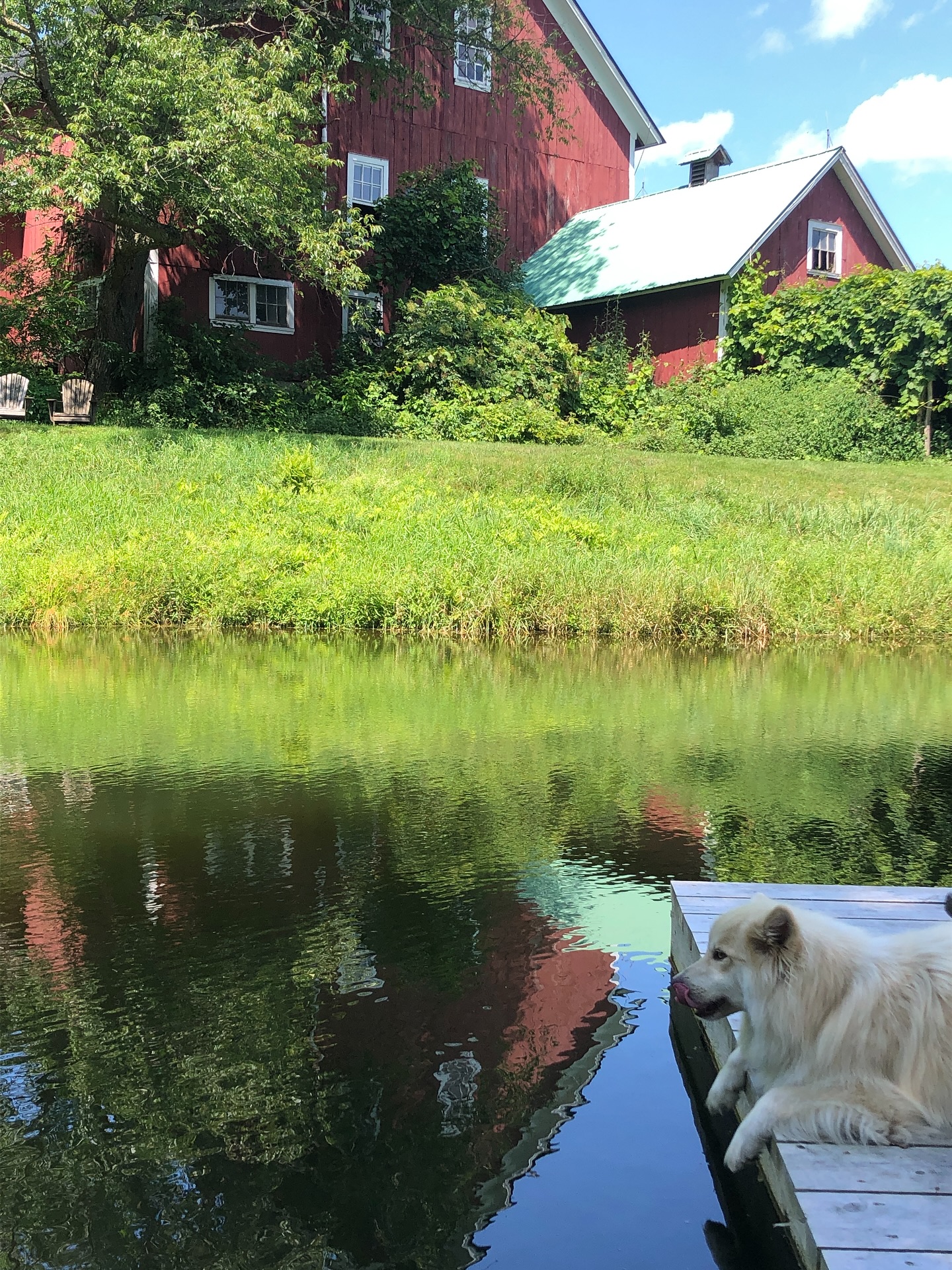
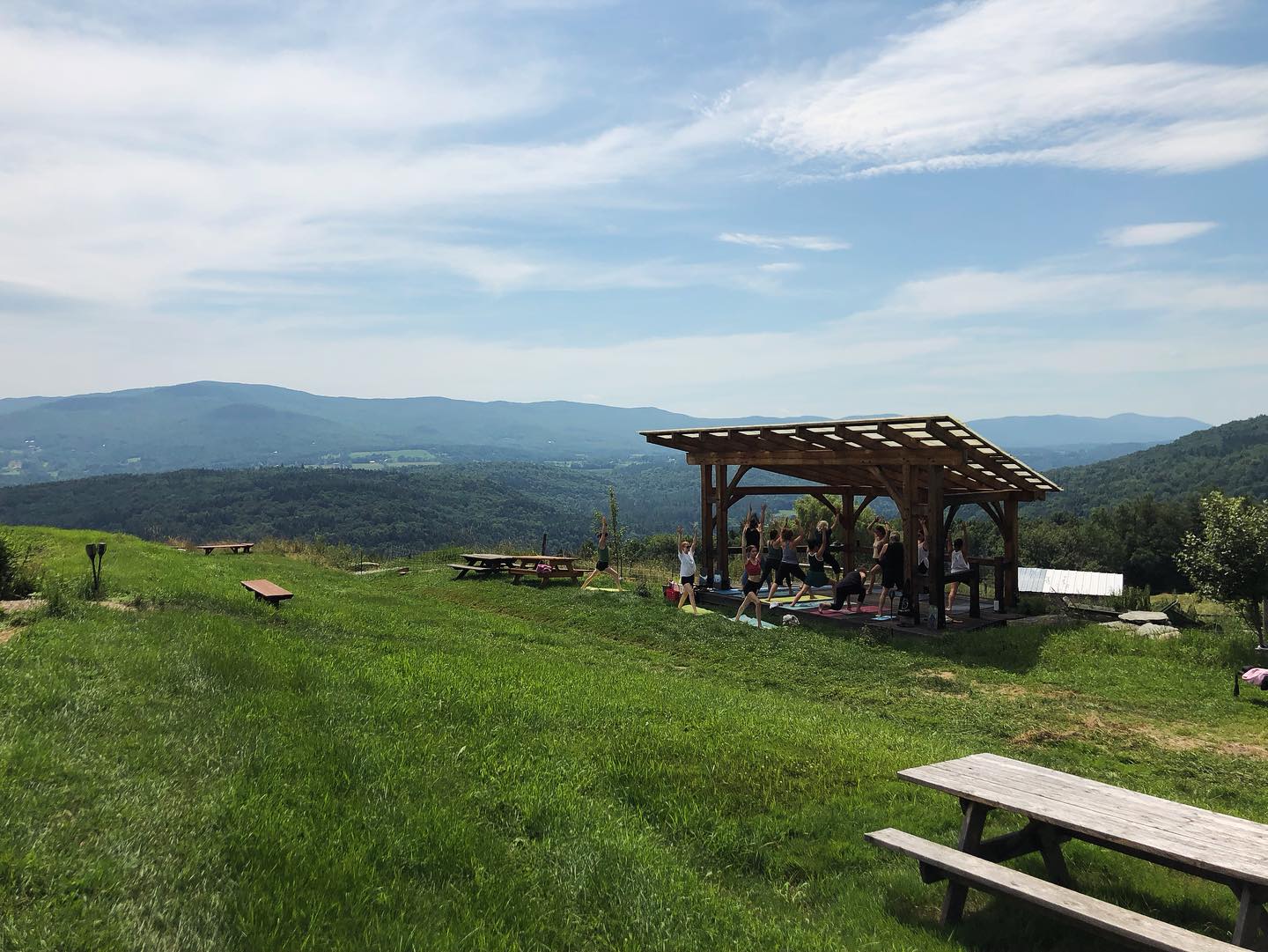
Knoll Farm is a historic 140-acre property on Bragg Hill in Fayston, Vermont, with agricultural roots dating back to 1804. Listed on the National Register of Historic Places, the farm was stewarded for 50 years by Ann Day, who made it a refuge for Central American asylum seekers in the 1980s and placed it under one of Vermont's earliest conservation easements with the Vermont Land Trust. In 2001, Peter Forbes and Helen Whybrow purchased the farm and revitalized it as a working organic operation and retreat center. Today Knoll Farm specializes in certified organic blueberries and grass-fed Icelandic sheep, operating without synthetic fertilizers or chemicals. The farm also serves as a nationally respected retreat center and community gathering space, hosting professional retreats, fellowships, summer concerts, and farm-to-table events. Visitors can enjoy pick-your-own berries, hiking trails through mature maple forest, picnicking, and shopping at the year-round farm store.
Knoll Farm is a historic 140-acre property on Bragg Hill in Fayston, Vermont, with agricultural roots dating back to 1804. Listed on the National Register of Historic Places, the farm was stewarded for 50 years by Ann Day, who made it a refuge for Central American asylum seekers in the 1980s and placed it under one of Vermont's earliest conservation easements with the Vermont Land Trust. In 2001, Peter Forbes and Helen Whybrow purchased the farm and revitalized it as a working organic operation and retreat center. Today Knoll Farm specializes in certified organic blueberries and grass-fed Icelandic sheep, operating without synthetic fertilizers or chemicals. The farm also serves as a nationally respected retreat center and community gathering space, hosting professional retreats, fellowships, summer concerts, and farm-to-table events. Visitors can enjoy pick-your-own berries, hiking trails through mature maple forest, picnicking, and shopping at the year-round farm store.
Type of Foods Inside
Fruit
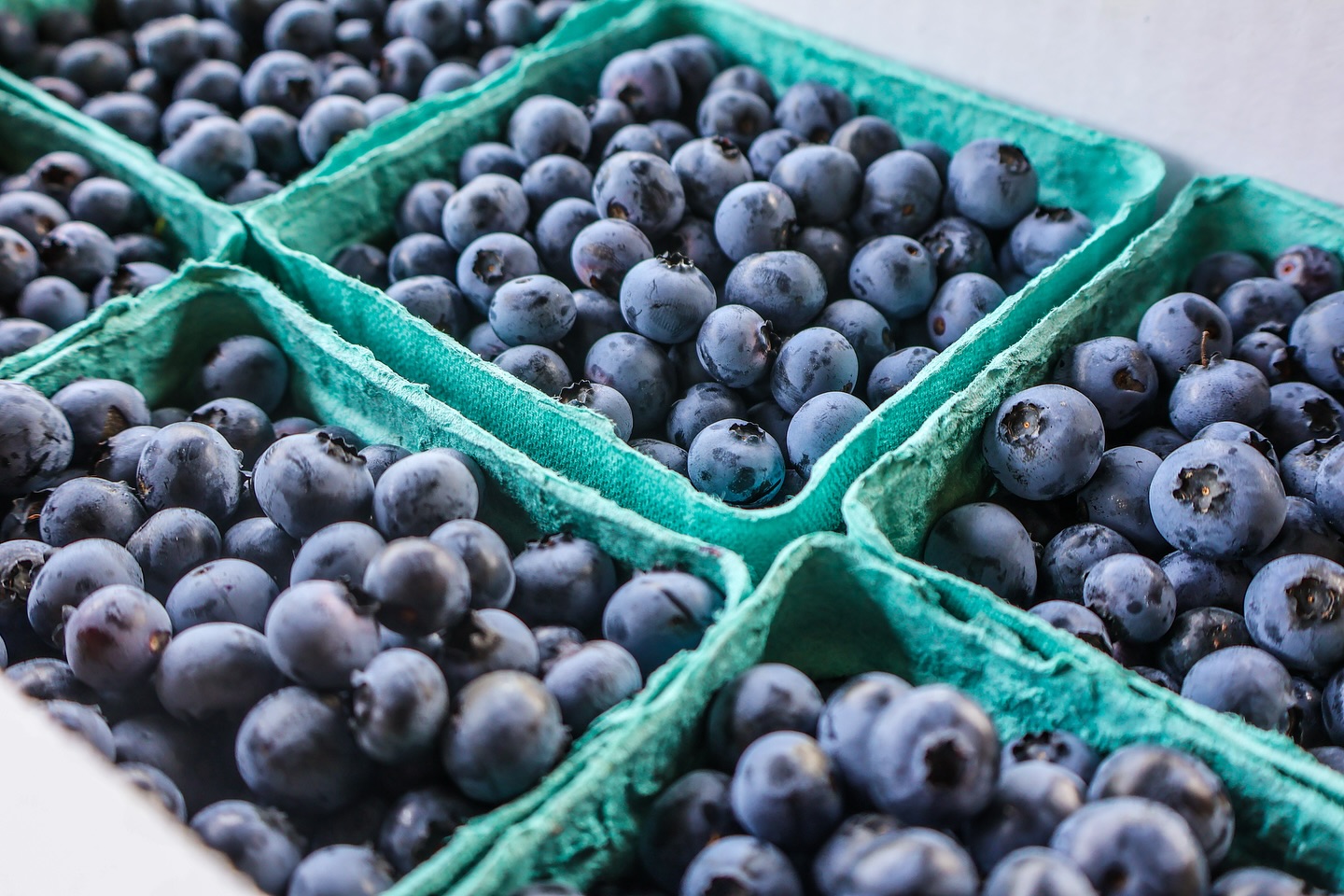
- Organic blueberries (pick-your-own and pre-picked)
Meat/Protein
- Grass-fed Icelandic lamb
- Eggs
Fruit
- Organic blueberries (pick-your-own and pre-picked)
Meat/Protein
- Grass-fed Icelandic lamb
- Eggs
Photo gallery

Contact Details


Products


Producers