About the Farm
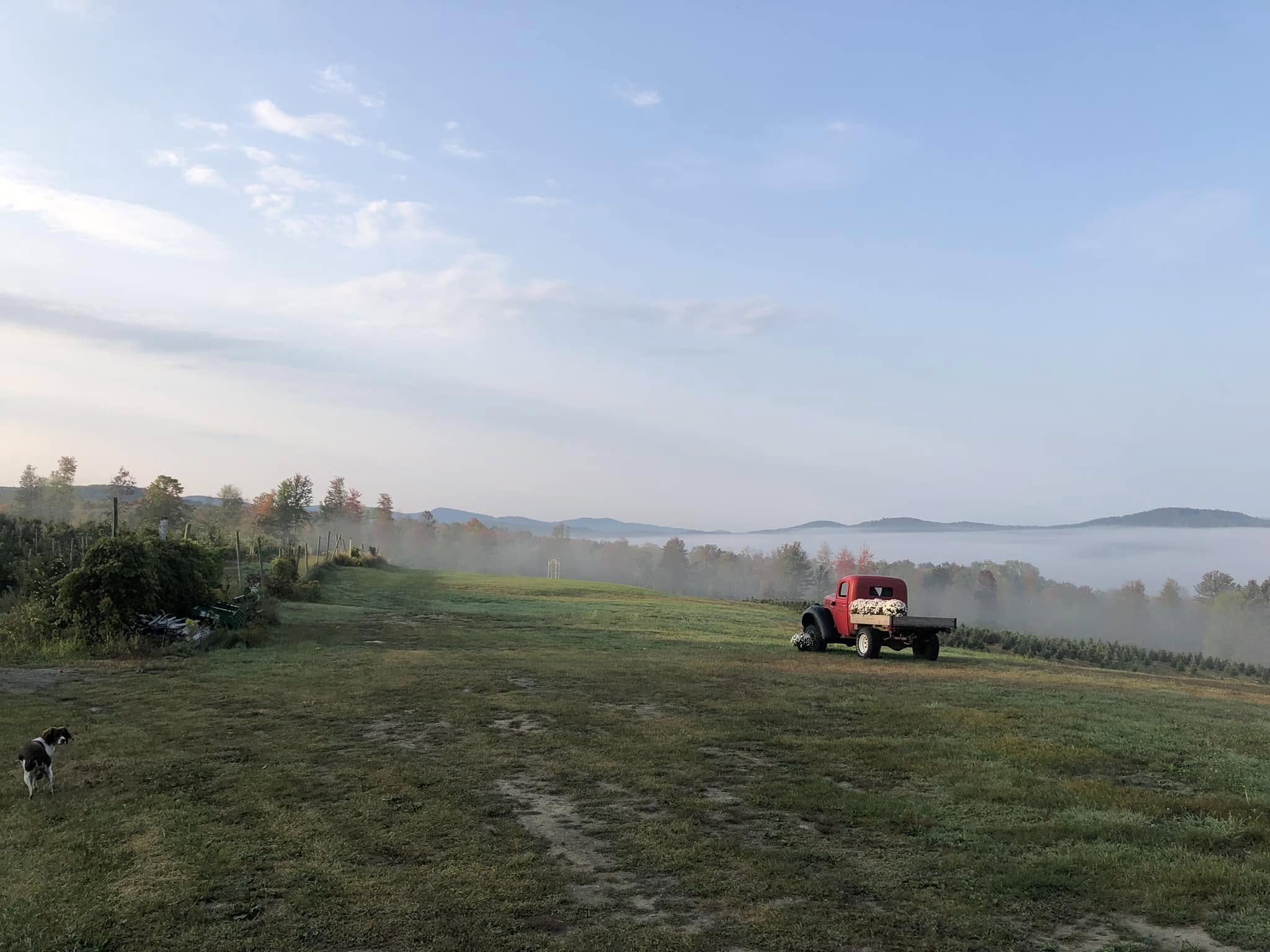
High atop a hill in Lebanon, New Hampshire, Patch Orchards represents an extraordinary legacy of American farming that spans eight generations and reaches back to 1775. The story begins with Wetherill Hough, a young adventurer from Norwich, Connecticut, who followed the Connecticut River north until he discovered a tract of land facing Vermont's majestic Green Mountains. Inspired by the biblical verse "Lift up your eyes unto the hills," he named his new home Hill View Farm. In 1812, his nephew Clement Hough journeyed north on horseback to help his uncle, bringing with him the dedication that would define the farm for centuries to come.
The land changed hands through marriage when Arthur Hough's daughter Doris caught the eye of Wallace Patch, who would transform the operation into Walhowdon Farm in 1947 alongside his sons Howard and Donald. Wallace brought with him a rich heritage of maple sugar production, introducing the sweet tradition that would become a cornerstone of the farm's identity. The Patch family converted the dairy operation to Holsteins and began their maple sugaring enterprise, earning recognition with the prestigious Bicentennial Farm award in 1976. When Howard's son Matthew married Barbara Scruton, whose own family had been farming in New Hampshire since the late 1600s, two ancient farming lineages united.
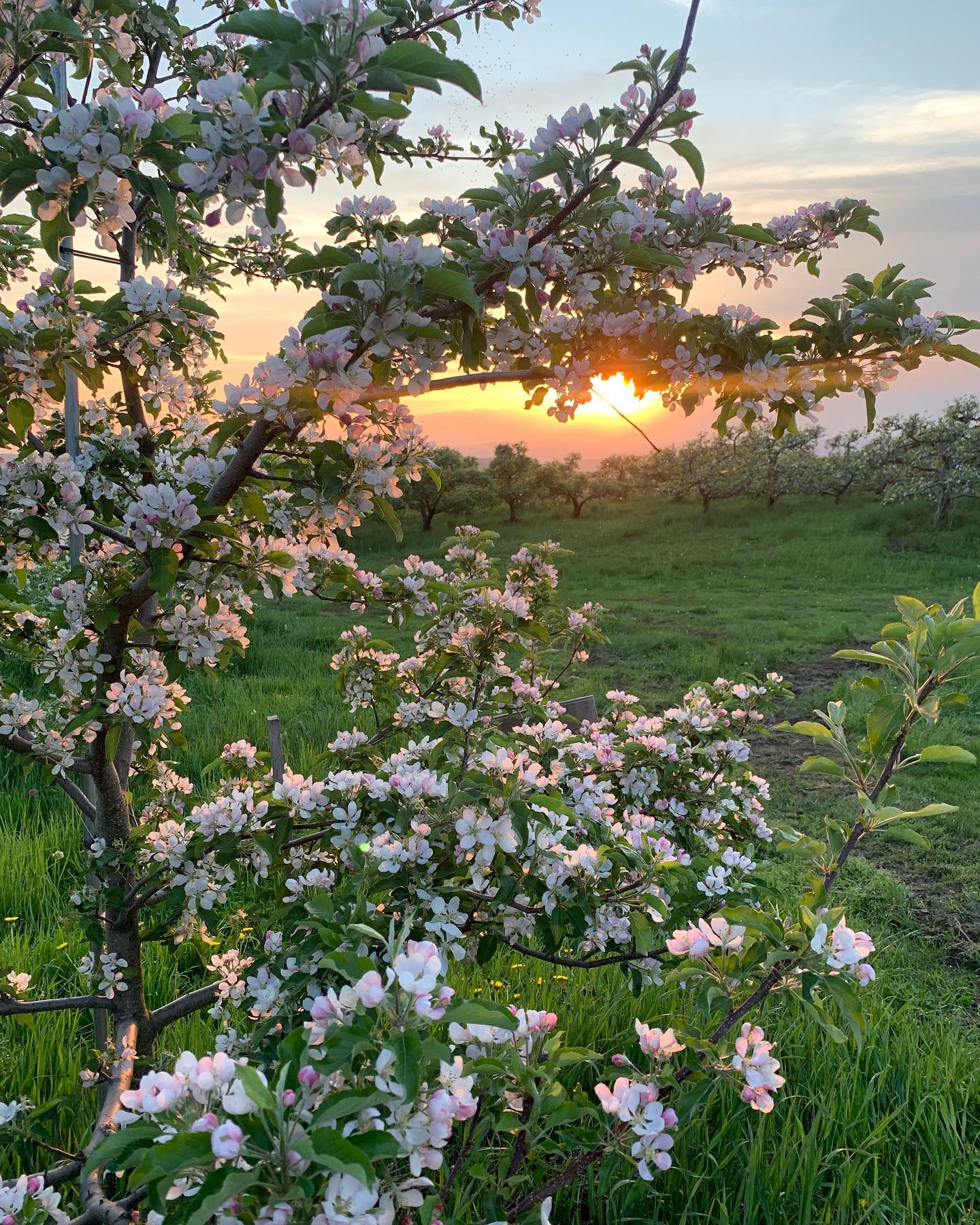
Today, Matthew Patch and his four children represent the seventh and eighth generations to tend this same sacred ground that Wetherill Hough first settled nearly 250 years ago. The Patch Family has been producing maple syrup for over 70 years, crafting pure New Hampshire maple products that carry forward their ancestors' commitment to quality and tradition. Their orchard flourishes with diverse apple varieties, while their farmstand serves as a gathering place for families seeking authentic agricultural experiences. Through seasons of planting and harvest, sugaring and cider making, the Patch family continues to honor their rich heritage while sharing the fruits of their labor with the Upper Valley community.
High atop a hill in Lebanon, New Hampshire, Patch Orchards represents an extraordinary legacy of American farming that spans eight generations and reaches back to 1775. The story begins with Wetherill Hough, a young adventurer from Norwich, Connecticut, who followed the Connecticut River north until he discovered a tract of land facing Vermont's majestic Green Mountains. Inspired by the biblical verse "Lift up your eyes unto the hills," he named his new home Hill View Farm. In 1812, his nephew Clement Hough journeyed north on horseback to help his uncle, bringing with him the dedication that would define the farm for centuries to come.
The land changed hands through marriage when Arthur Hough's daughter Doris caught the eye of Wallace Patch, who would transform the operation into Walhowdon Farm in 1947 alongside his sons Howard and Donald. Wallace brought with him a rich heritage of maple sugar production, introducing the sweet tradition that would become a cornerstone of the farm's identity. The Patch family converted the dairy operation to Holsteins and began their maple sugaring enterprise, earning recognition with the prestigious Bicentennial Farm award in 1976. When Howard's son Matthew married Barbara Scruton, whose own family had been farming in New Hampshire since the late 1600s, two ancient farming lineages united.
Today, Matthew Patch and his four children represent the seventh and eighth generations to tend this same sacred ground that Wetherill Hough first settled nearly 250 years ago. The Patch Family has been producing maple syrup for over 70 years, crafting pure New Hampshire maple products that carry forward their ancestors' commitment to quality and tradition. Their orchard flourishes with diverse apple varieties, while their farmstand serves as a gathering place for families seeking authentic agricultural experiences. Through seasons of planting and harvest, sugaring and cider making, the Patch family continues to honor their rich heritage while sharing the fruits of their labor with the Upper Valley community.
Type of Foods Inside
Fruit
- Honeycrisp apples
- Fuji apples
- Gala apples
- Kindercrisp apples
- Paula Reds apples
- Macintosh apples
- Macouns apples
- Cortlands apples
- Empires apples
- Ida Reds apples
- Honeygold apples
- Apples
- Cider
Vegetables
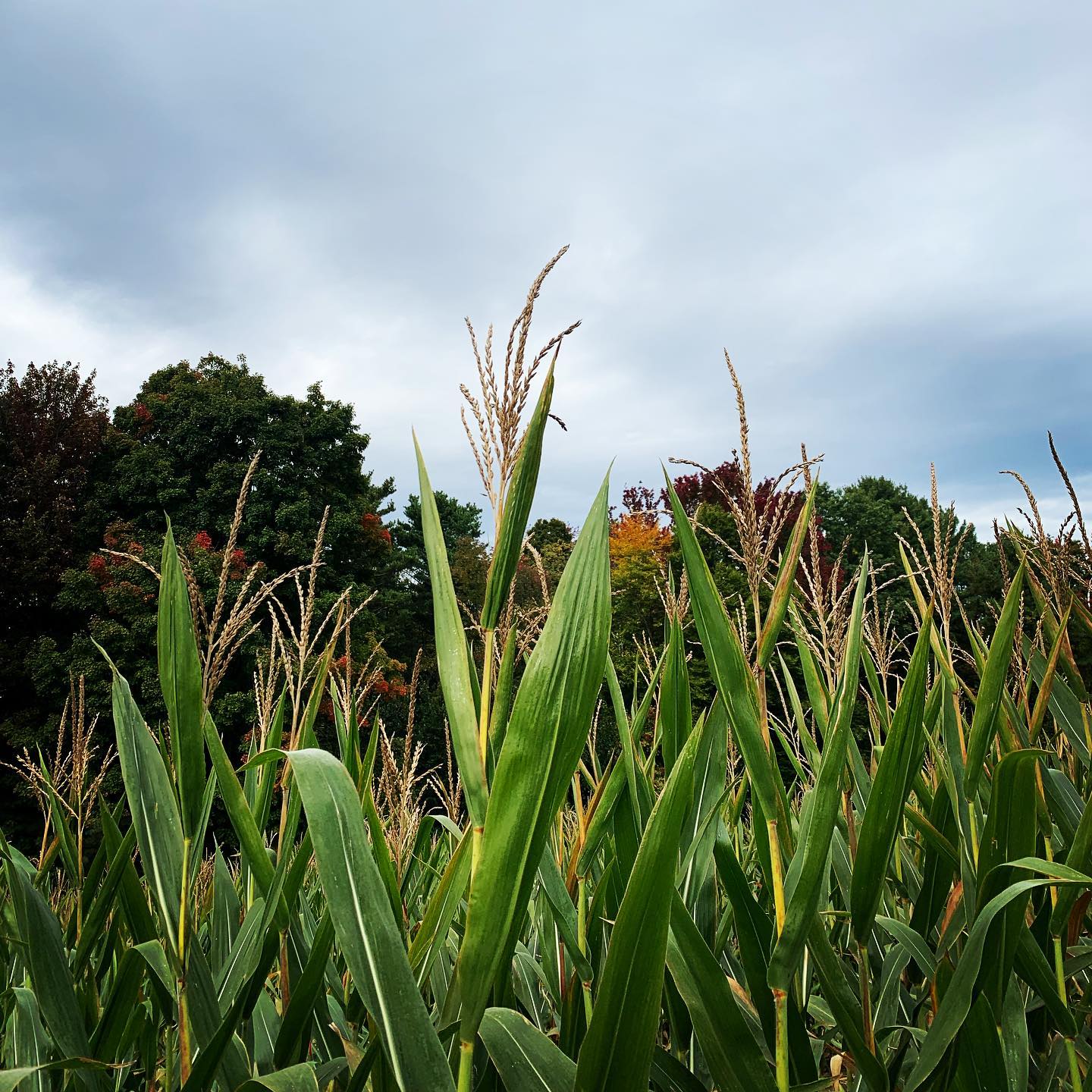
- Corn
- Pumpkins
- Pickles
Pantry/Other
- Pure New Hampshire Maple Syrup
- Maple sugar
- Maple candy
- New Hampshire Maple Cream
- Soft Maple Candy
- Maple Soft Serve
- Hard cider
- Honey
Fruit
- Honeycrisp apples
- Fuji apples
- Gala apples
- Kindercrisp apples
- Paula Reds apples
- Macintosh apples
- Macouns apples
- Cortlands apples
- Empires apples
- Ida Reds apples
- Honeygold apples
- Apples
- Cider
Vegetables
- Corn
- Pumpkins
- Pickles
Pantry/Other
- Pure New Hampshire Maple Syrup
- Maple sugar
- Maple candy
- New Hampshire Maple Cream
- Soft Maple Candy
- Maple Soft Serve
- Hard cider
- Honey
Photo gallery

Contact Details


Products


Producers