
About the Farm
Stillwater Farm is a family-owned operation nestled in Castleton, Vermont, run by Philip Wagenbach alongside his wife and five children. Philip's agricultural roots trace back to central Illinois, where he cultivated a deep passion for animal husbandry during his formative years on a family farm. However, the financial upheavals of the 1980s steered him away from farming initially, leading him toward a career in medicine with the hope of eventually serving rural communities while saving enough to purchase and preserve farmland.
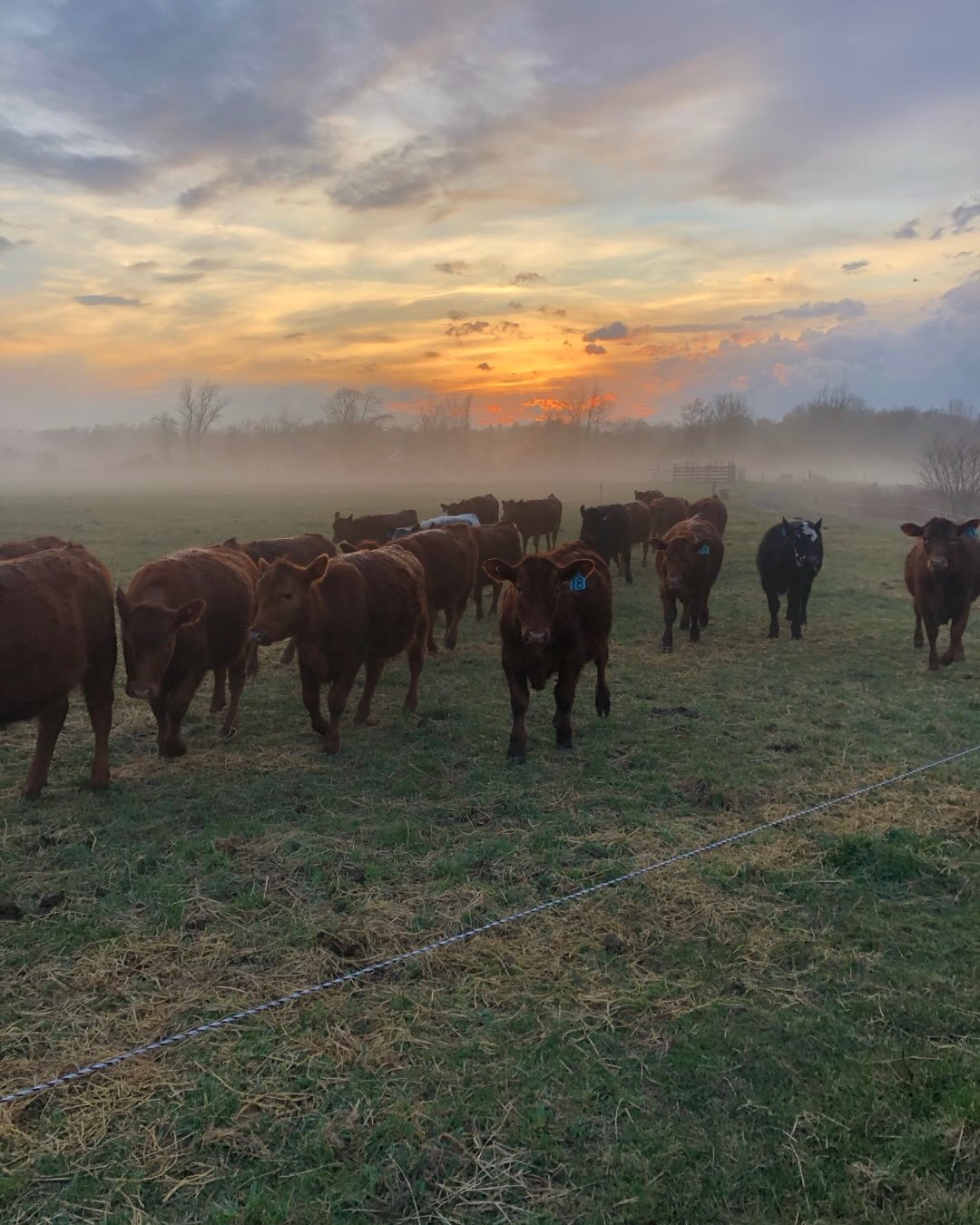
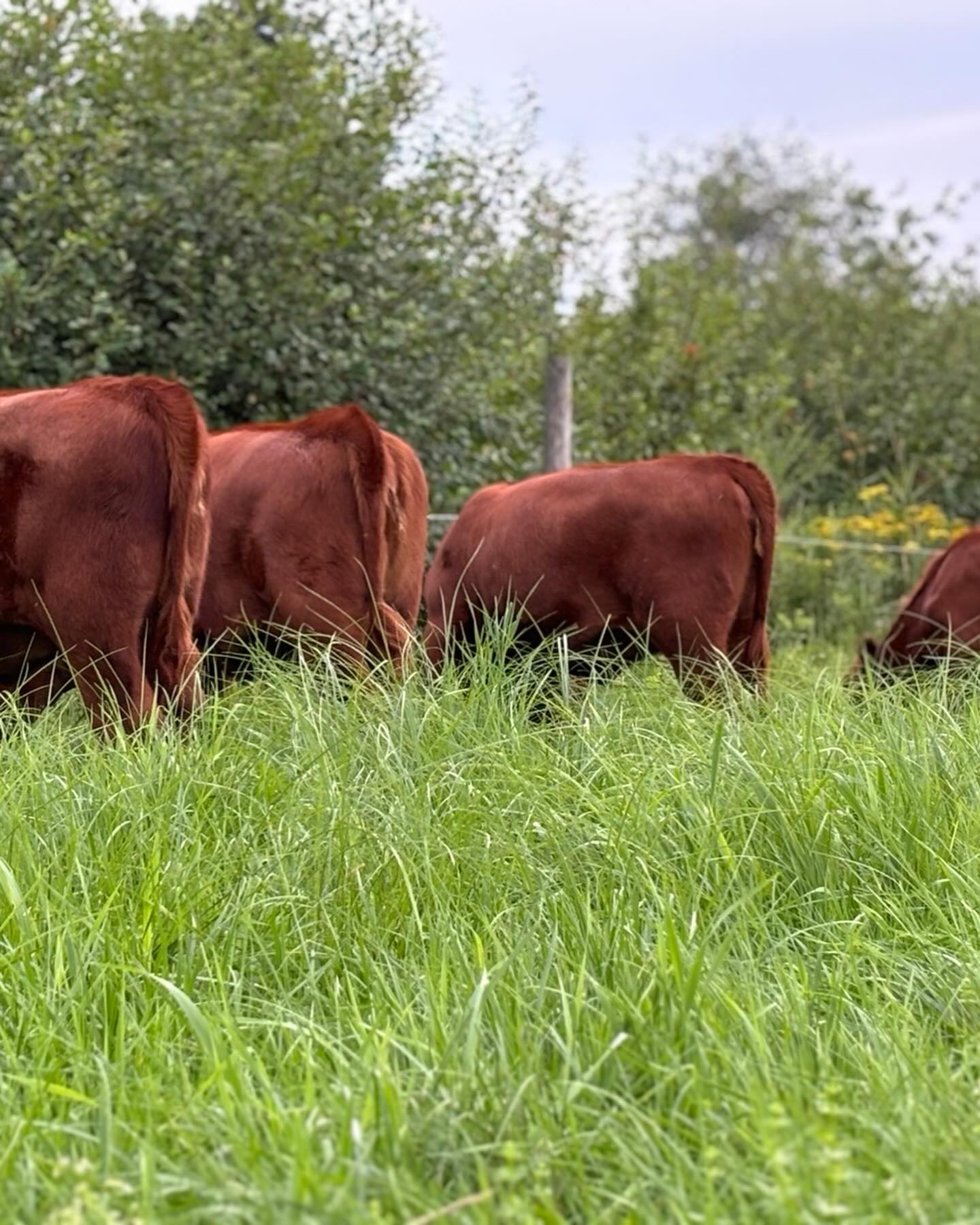
Philip's medical background has profoundly shaped his understanding of the connection between food production and community health. This perspective drives Stillwater Farm's commitment to raising Red Angus cattle on diverse pastures of grasses, clovers, and forbs, believing that healthy soil and perennial pasture represent the most efficient and ecological approach to feeding ruminant livestock. The farm's philosophy centers on the principle that well-managed pasture actually improves and builds healthy soil, creating a sustainable cycle of environmental stewardship.
At its heart, Stillwater Farm represents Philip's vision of operating a farm that upholds his standards of quality and transparency. The operation focuses primarily on grass-fed and finished beef, though plans exist to potentially expand into pork and poultry to better utilize their resources. Philip describes the farm as a work in progress, expressing his privilege in cultivating his goals while maintaining the diversified family farm model he has always preferred over conventional agribusiness approaches.
Stillwater Farm is a family-owned operation nestled in Castleton, Vermont, run by Philip Wagenbach alongside his wife and five children. Philip's agricultural roots trace back to central Illinois, where he cultivated a deep passion for animal husbandry during his formative years on a family farm. However, the financial upheavals of the 1980s steered him away from farming initially, leading him toward a career in medicine with the hope of eventually serving rural communities while saving enough to purchase and preserve farmland.
Philip's medical background has profoundly shaped his understanding of the connection between food production and community health. This perspective drives Stillwater Farm's commitment to raising Red Angus cattle on diverse pastures of grasses, clovers, and forbs, believing that healthy soil and perennial pasture represent the most efficient and ecological approach to feeding ruminant livestock. The farm's philosophy centers on the principle that well-managed pasture actually improves and builds healthy soil, creating a sustainable cycle of environmental stewardship.
At its heart, Stillwater Farm represents Philip's vision of operating a farm that upholds his standards of quality and transparency. The operation focuses primarily on grass-fed and finished beef, though plans exist to potentially expand into pork and poultry to better utilize their resources. Philip describes the farm as a work in progress, expressing his privilege in cultivating his goals while maintaining the diversified family farm model he has always preferred over conventional agribusiness approaches.
Type of Foods Inside
Meat
- Grass Fed & Finished Beef
Pantry/Other
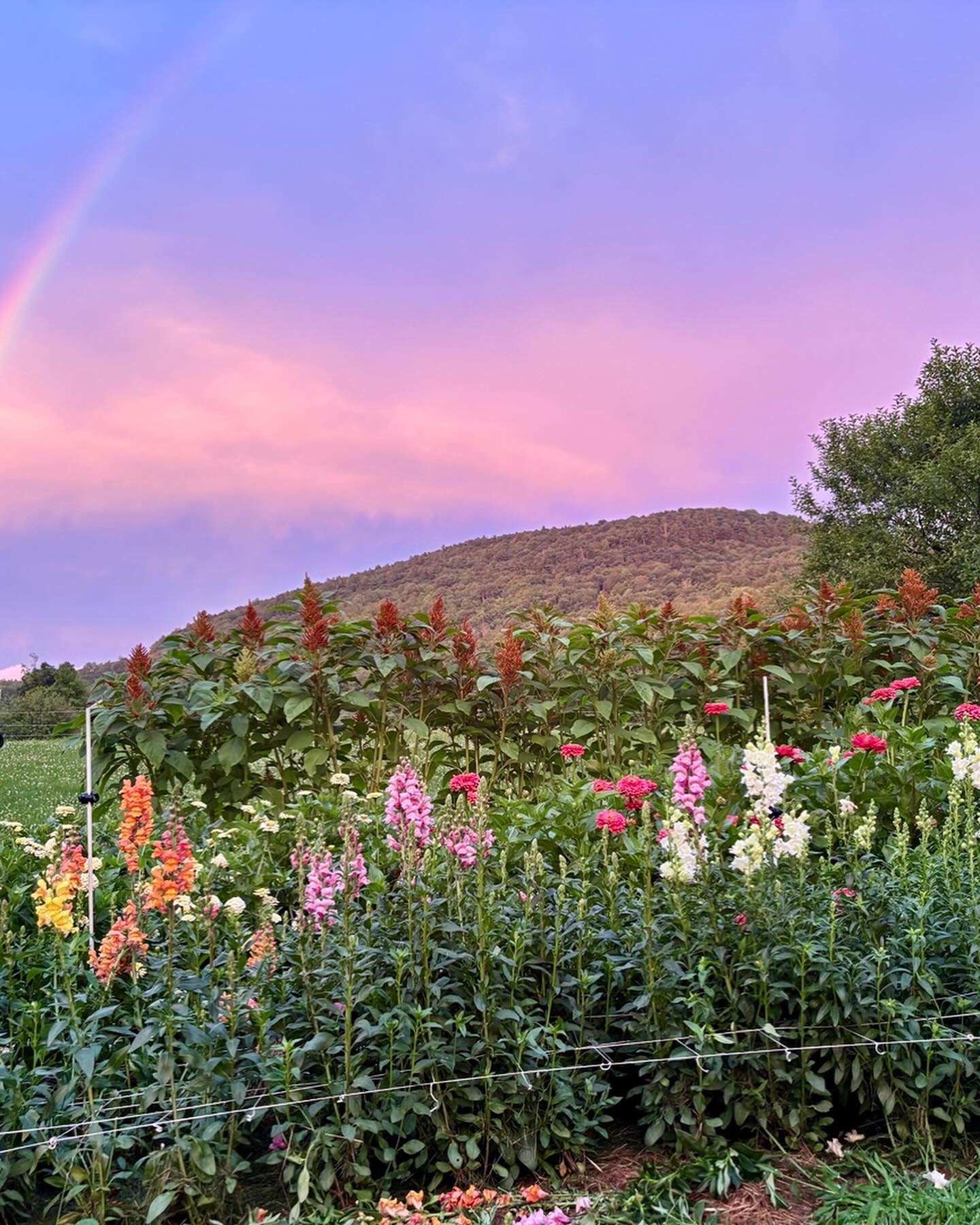
- Flowers
Meat
- Grass Fed & Finished Beef
Pantry/Other
- Flowers
Photo gallery


Contact Details


Products


Producers