Brasen Hill Farm



Beef

Pork

Poultry
Turkey

Lamb

Eggs

Dairy

Honey
Maple Syrup

Produce

Mushrooms

Bakery

Seafood

Shellfish
About the Farm
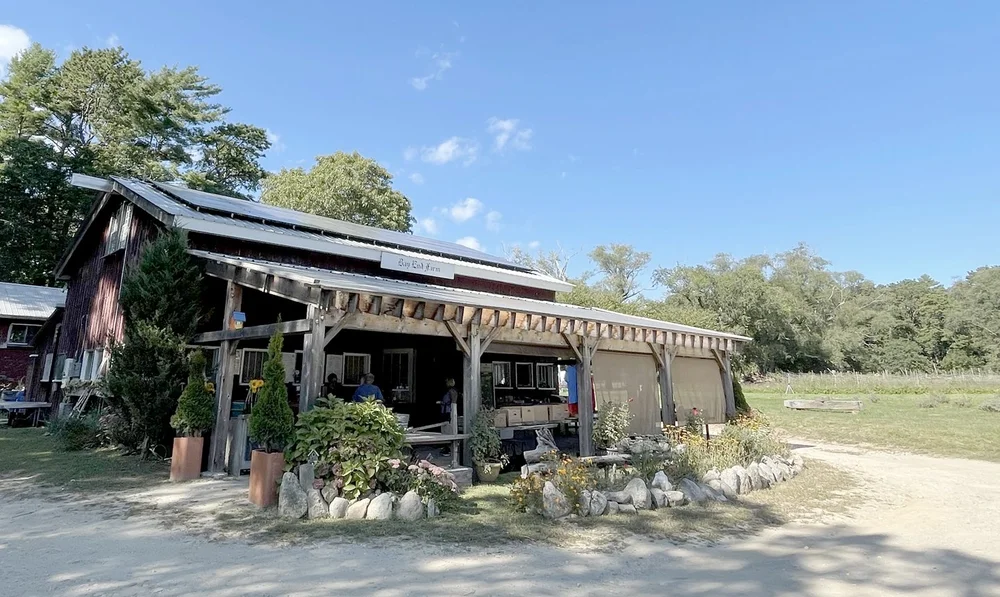
Brasen Hill Farm operates on 244 acres in Barrington, New Hampshire, with roots stretching back to 1719 when the property was originally an iron mine. The land evolved through centuries of use, from William McDaniel's garrison house in 1735 to Peletiah Daniels' sheep farming operation in 1760, and later serving as logging land and a summer residence before being abandoned in the early 1940s. Richard and Dorothy Warren reclaimed the overgrown property in 1946, and their conservation-minded stewardship led to the land being preserved under a New Hampshire conservation easement in 1987, protecting it from development forever.
In 2013, Theodore Wiegand and Eleanor Kane purchased the farm from Randy and Heather Warren, establishing Brasen Hill Farm as a diversified operation focused on sustainable agriculture. Eleanor, who developed her passion for local, humanely raised food while at Phillips Exeter Academy and the University of Pennsylvania, brought academic credentials including a Master's degree in Public Affairs from Brown University and a PhD in Education from the University of New Hampshire. Theodore grew up on his family's wheat farm in Montana and became interested in farming as community service while working at a local farm that fed families in need during his time at Pacific Lutheran University.
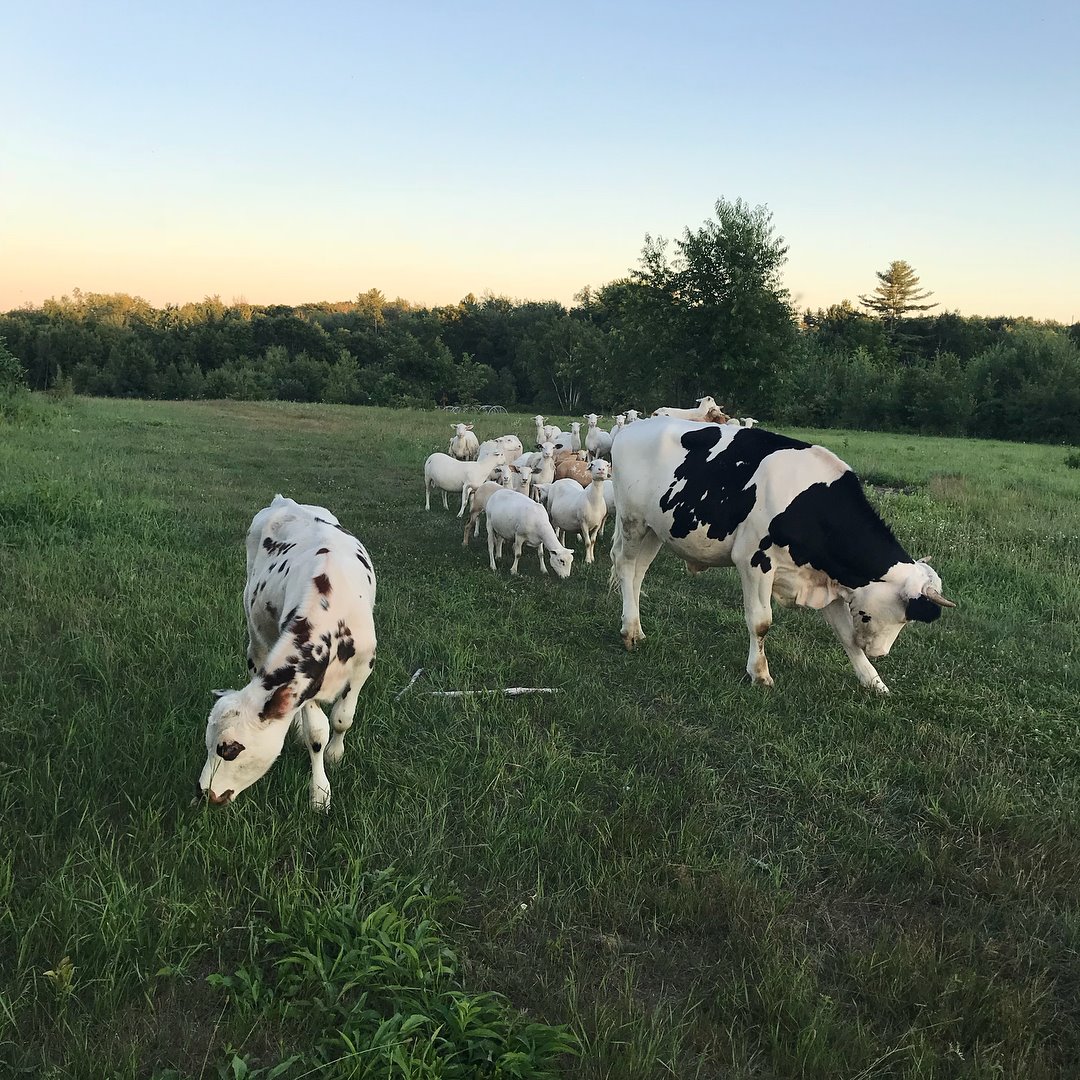
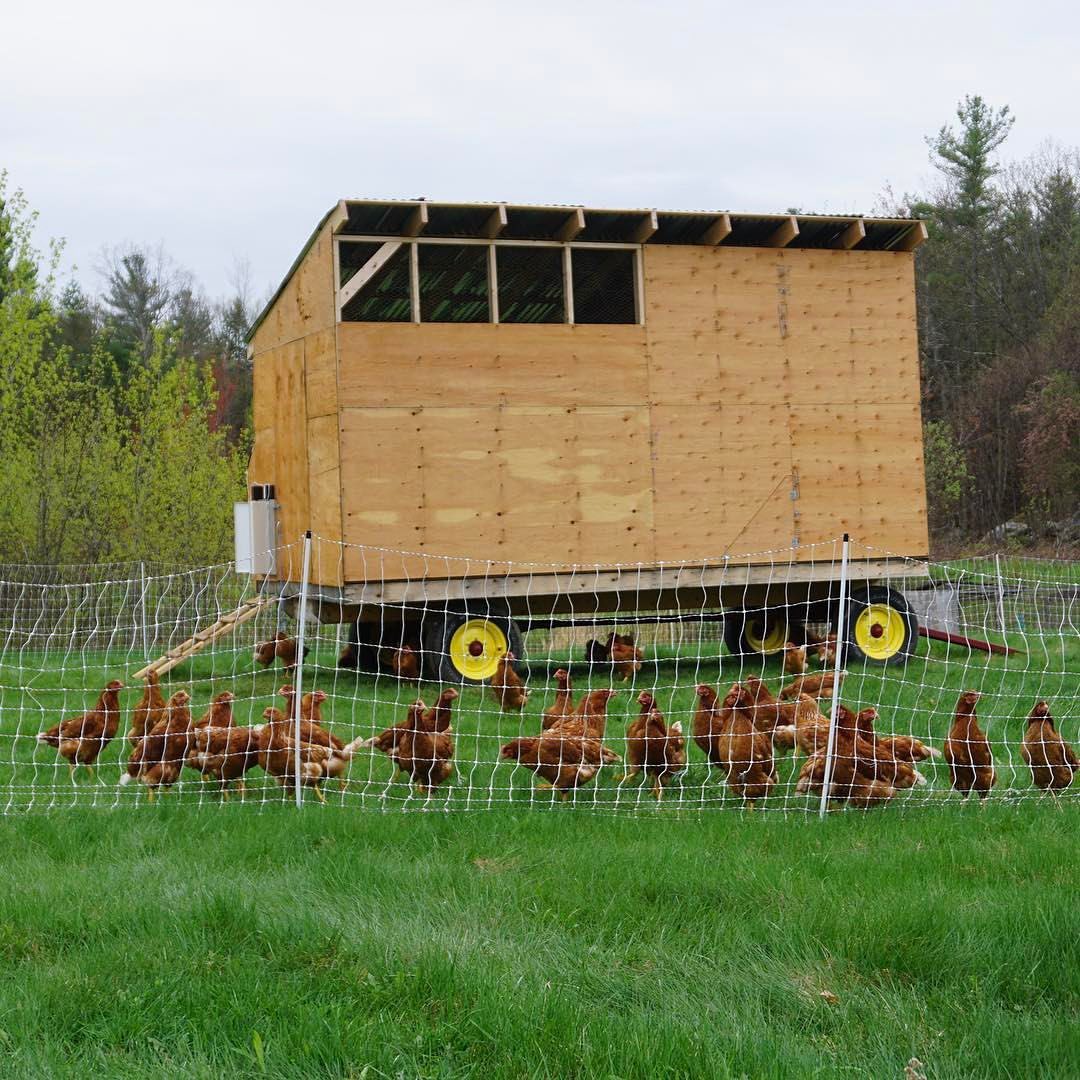
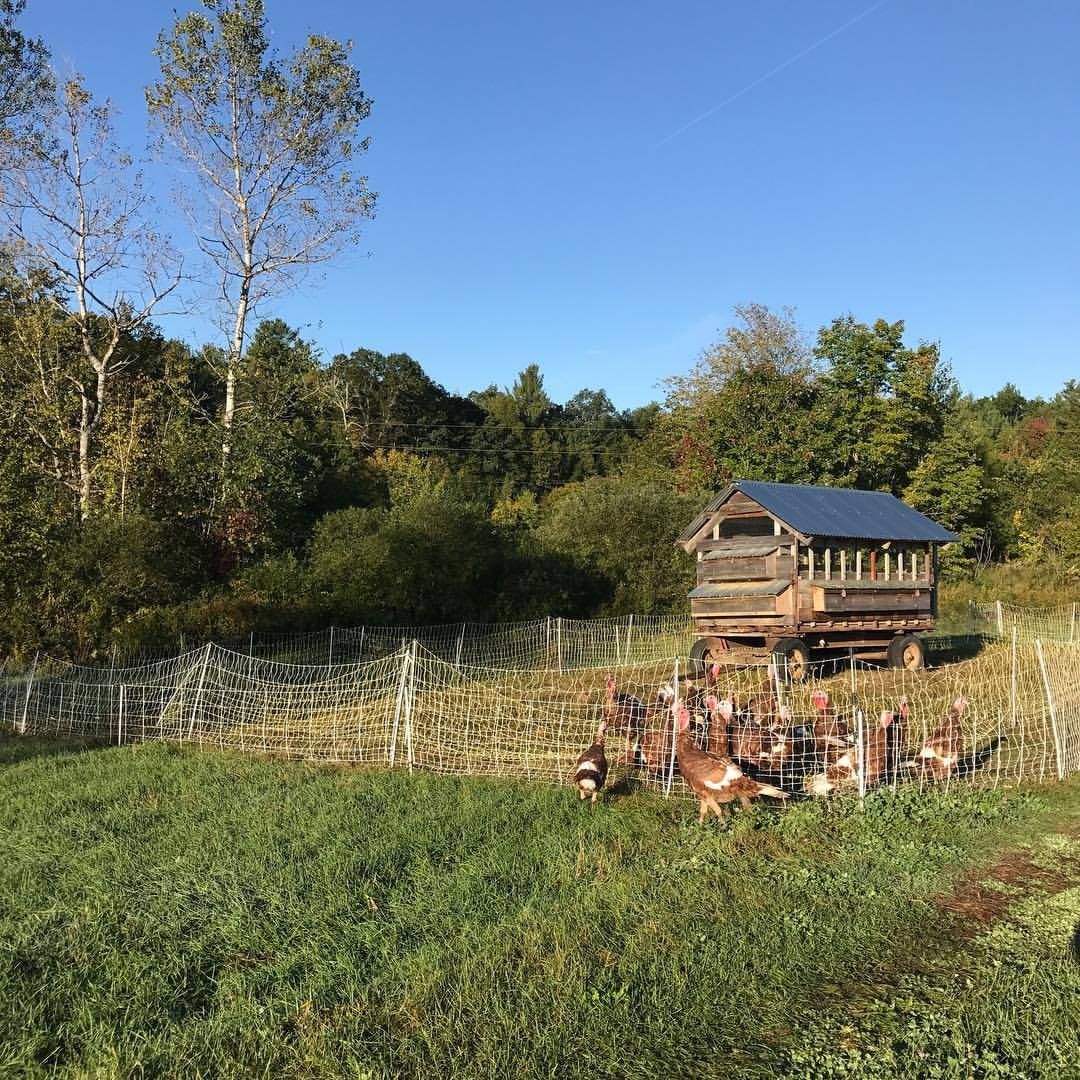
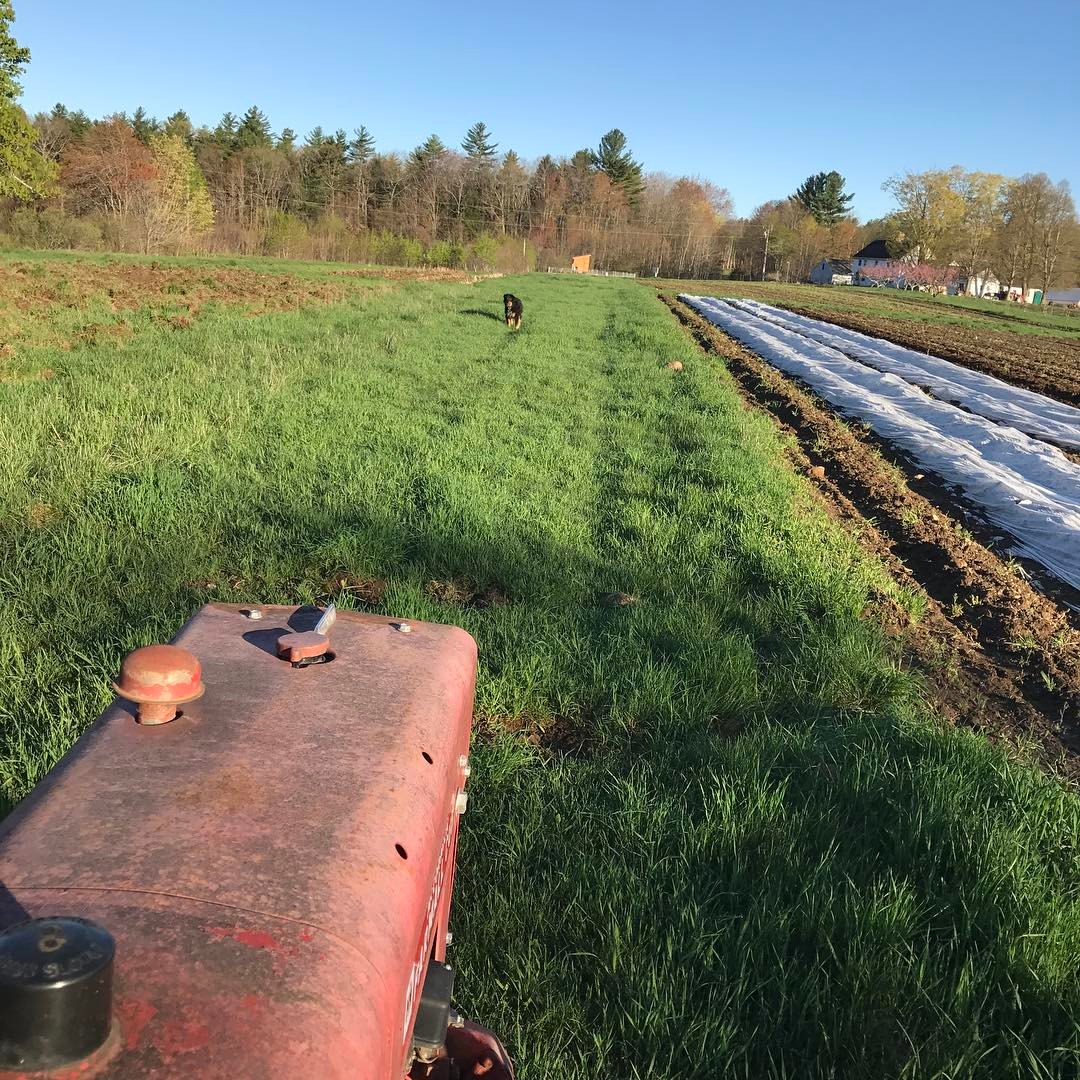
Today, Kyle and Amy Forsyth lease and operate the farm after working as employees for four years and developing deep roots in the land and community. Kyle brings over a decade of farming experience from New Hampshire and Arizona, including managing goat dairies and CSAs, while Amy, a New Hampshire native with a background in animal care and business, handles marketing and sales. The farm operates on 35 acres of production land with 3 acres of vegetable fields, 30 acres of pasture, and multiple hoophouses, committed to practices that promote animal health, soil fertility, and customer satisfaction through intensive crop rotation, cover crops, and the highest standards of animal husbandry.
Brasen Hill Farm operates on 244 acres in Barrington, New Hampshire, with roots stretching back to 1719 when the property was originally an iron mine. The land evolved through centuries of use, from William McDaniel's garrison house in 1735 to Peletiah Daniels' sheep farming operation in 1760, and later serving as logging land and a summer residence before being abandoned in the early 1940s. Richard and Dorothy Warren reclaimed the overgrown property in 1946, and their conservation-minded stewardship led to the land being preserved under a New Hampshire conservation easement in 1987, protecting it from development forever.
In 2013, Theodore Wiegand and Eleanor Kane purchased the farm from Randy and Heather Warren, establishing Brasen Hill Farm as a diversified operation focused on sustainable agriculture. Eleanor, who developed her passion for local, humanely raised food while at Phillips Exeter Academy and the University of Pennsylvania, brought academic credentials including a Master's degree in Public Affairs from Brown University and a PhD in Education from the University of New Hampshire. Theodore grew up on his family's wheat farm in Montana and became interested in farming as community service while working at a local farm that fed families in need during his time at Pacific Lutheran University.
Today, Kyle and Amy Forsyth lease and operate the farm after working as employees for four years and developing deep roots in the land and community. Kyle brings over a decade of farming experience from New Hampshire and Arizona, including managing goat dairies and CSAs, while Amy, a New Hampshire native with a background in animal care and business, handles marketing and sales. The farm operates on 35 acres of production land with 3 acres of vegetable fields, 30 acres of pasture, and multiple hoophouses, committed to practices that promote animal health, soil fertility, and customer satisfaction through intensive crop rotation, cover crops, and the highest standards of animal husbandry.
Type of Foods Inside
Meat
- Grass-fed beef
- Grass-fed lamb
- Grass-fed goat
- Pastured pork
- Pastured chicken
- Pastured turkey
- Pastured rabbit
Eggs
- Farm fresh eggs
Dairy
- Raw milk
- Raw cream
- Raw milk yogurt
- Yo cheese spreads
- Fresh cheeses
Pantry/Other
- Raw local honey
- Organic bread
- Fresh mushrooms
- Maple syrup
- Granola
- Trail mix
- Nuts
- Fermented vegetables
- Tortillas
- Tortilla chips
- Fresh pasta
- Raviolis
- Pasta sauces
- Pesto
- Fresh roasted coffee
- Loose leaf organic teas
- Bagels
- Baked goods
- Fresh fish
- Shellfish
Meat
- Grass-fed beef
- Grass-fed lamb
- Grass-fed goat
- Pastured pork
- Pastured chicken
- Pastured turkey
- Pastured rabbit
Eggs
- Farm fresh eggs
Dairy
- Raw milk
- Raw cream
- Raw milk yogurt
- Yo cheese spreads
- Fresh cheeses
Pantry/Other
- Raw local honey
- Organic bread
- Fresh mushrooms
- Maple syrup
- Granola
- Trail mix
- Nuts
- Fermented vegetables
- Tortillas
- Tortilla chips
- Fresh pasta
- Raviolis
- Pasta sauces
- Pesto
- Fresh roasted coffee
- Loose leaf organic teas
- Bagels
- Baked goods
- Fresh fish
- Shellfish
Photo gallery
Contact Details


Products


Producers