Cedar Circle Farm




Produce

Flowers

PYO
About the Farm
Cedar Circle Farm and Education Center stands as a testament to agricultural evolution and community vision. From the late 1970s to 2000, Robert and Marilyn Stone cultivated this land along the Connecticut River, focusing on bedding plants and pick-your-own berries and pumpkins. Their foresight in 1990 to sell development rights to the Vermont Land Trust ensured the farm's agricultural future would remain intact for generations to come. The property itself carries deeper roots, having served as both horse farm and dairy operation before the Stones arrived, while the land's agricultural story stretches back centuries to when Native American inhabitants established farming practices along these fertile riverbanks.
When Will Allen and Kate Duesterberg took stewardship in 2000, they honored the farm's essence while embarking on an ambitious transformation toward organic practices and educational programming. Their vision extended beyond simple food production to encompass public awareness about local organic agriculture and hands-on research into sustainable growing methods. The transition proved both methodical and meaningful, achieving organic certification through NOFA-VT in 2004 and launching their Community Supported Agriculture program the same year. Infrastructure grew alongside their mission, with the beloved Hello Café arriving in 2005 and a commercial kitchen in 2011 enabling them to capture seasonal harvests in prepared foods.
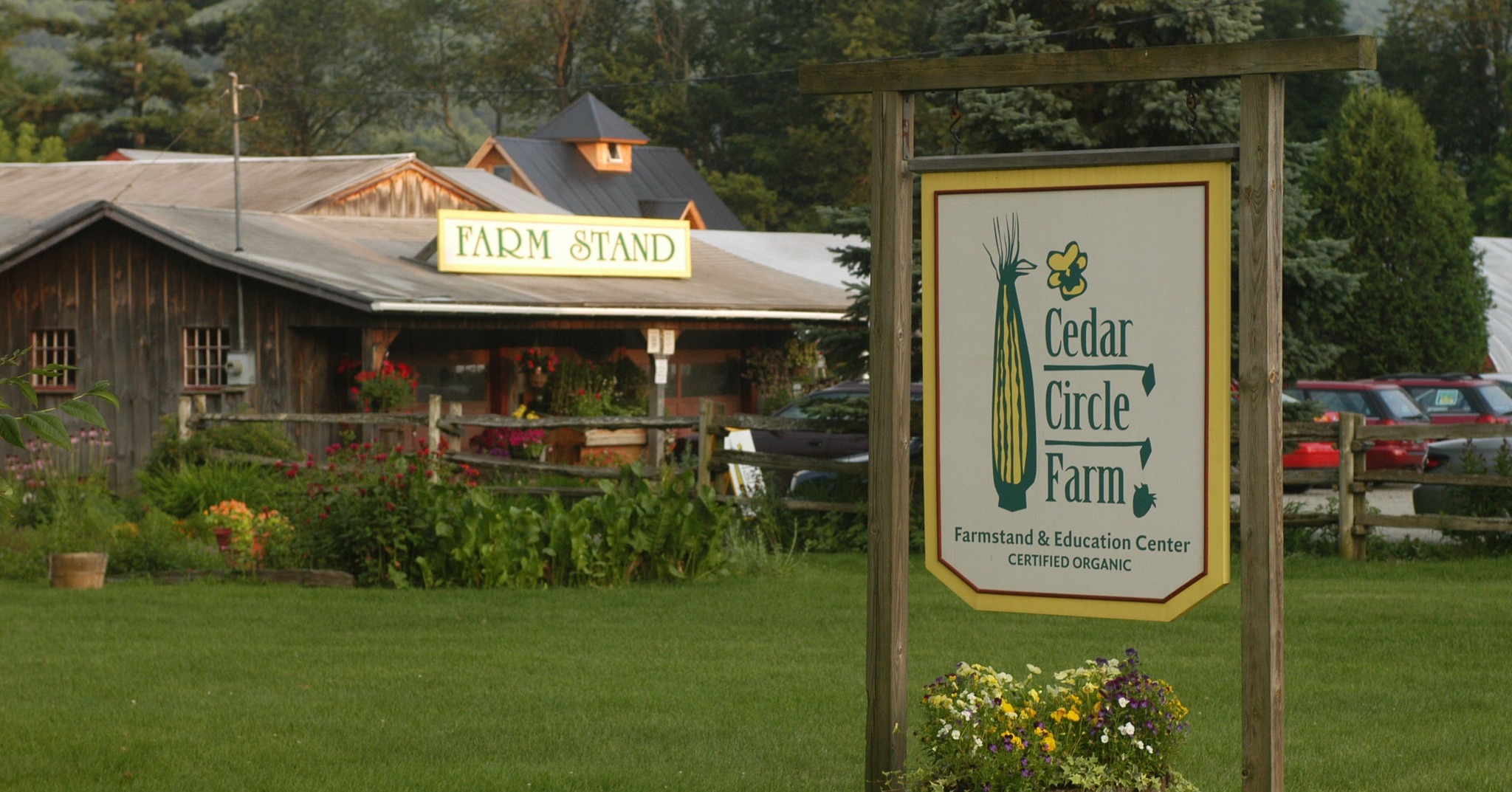
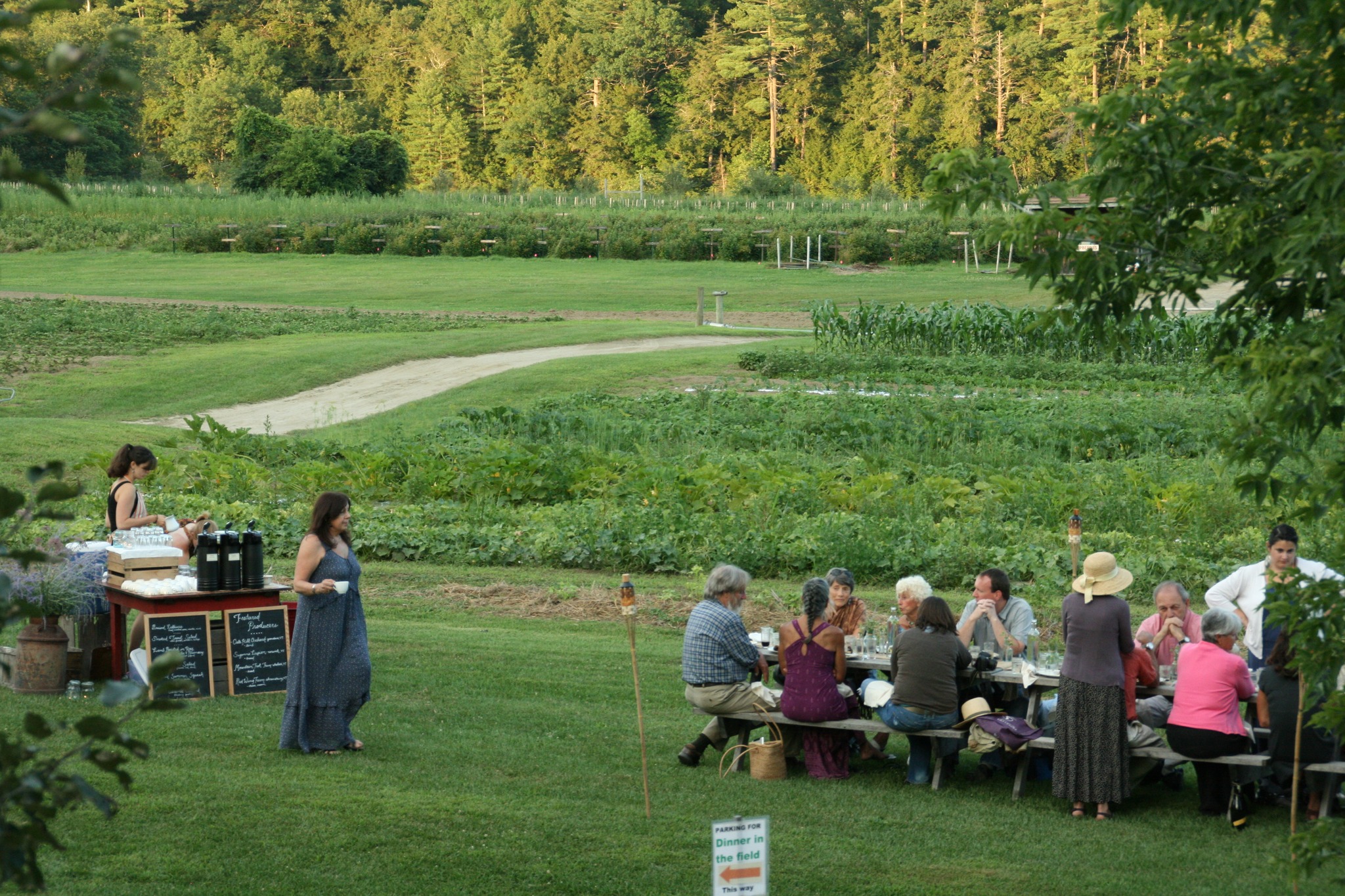
Today, Cedar Circle operates as a certified organic farm and Vermont nonprofit, officially adding "Education Center" to its name in 2019 before achieving 501(c)3 status in 2020. The organization dedicates itself to agricultural scientific research in the public interest while providing education and training to people of all ages. Their mission promotes organic, regenerative farming and the transition to a localized food economy, all while producing healthy food that enhances resources for future generations. Spanning about 25 acres of certified organic vegetables, berries, greens, herbs, native plants, and cut flowers, the farm serves as a bustling community hub complete with farmstand, coffee shop, commercial kitchen, native plant nursery, retail greenhouses, and diverse educational programs that connect food, ecosystems, and community.
Cedar Circle Farm and Education Center stands as a testament to agricultural evolution and community vision. From the late 1970s to 2000, Robert and Marilyn Stone cultivated this land along the Connecticut River, focusing on bedding plants and pick-your-own berries and pumpkins. Their foresight in 1990 to sell development rights to the Vermont Land Trust ensured the farm's agricultural future would remain intact for generations to come. The property itself carries deeper roots, having served as both horse farm and dairy operation before the Stones arrived, while the land's agricultural story stretches back centuries to when Native American inhabitants established farming practices along these fertile riverbanks.
When Will Allen and Kate Duesterberg took stewardship in 2000, they honored the farm's essence while embarking on an ambitious transformation toward organic practices and educational programming. Their vision extended beyond simple food production to encompass public awareness about local organic agriculture and hands-on research into sustainable growing methods. The transition proved both methodical and meaningful, achieving organic certification through NOFA-VT in 2004 and launching their Community Supported Agriculture program the same year. Infrastructure grew alongside their mission, with the beloved Hello Café arriving in 2005 and a commercial kitchen in 2011 enabling them to capture seasonal harvests in prepared foods.
Today, Cedar Circle operates as a certified organic farm and Vermont nonprofit, officially adding "Education Center" to its name in 2019 before achieving 501(c)3 status in 2020. The organization dedicates itself to agricultural scientific research in the public interest while providing education and training to people of all ages. Their mission promotes organic, regenerative farming and the transition to a localized food economy, all while producing healthy food that enhances resources for future generations. Spanning about 25 acres of certified organic vegetables, berries, greens, herbs, native plants, and cut flowers, the farm serves as a bustling community hub complete with farmstand, coffee shop, commercial kitchen, native plant nursery, retail greenhouses, and diverse educational programs that connect food, ecosystems, and community.
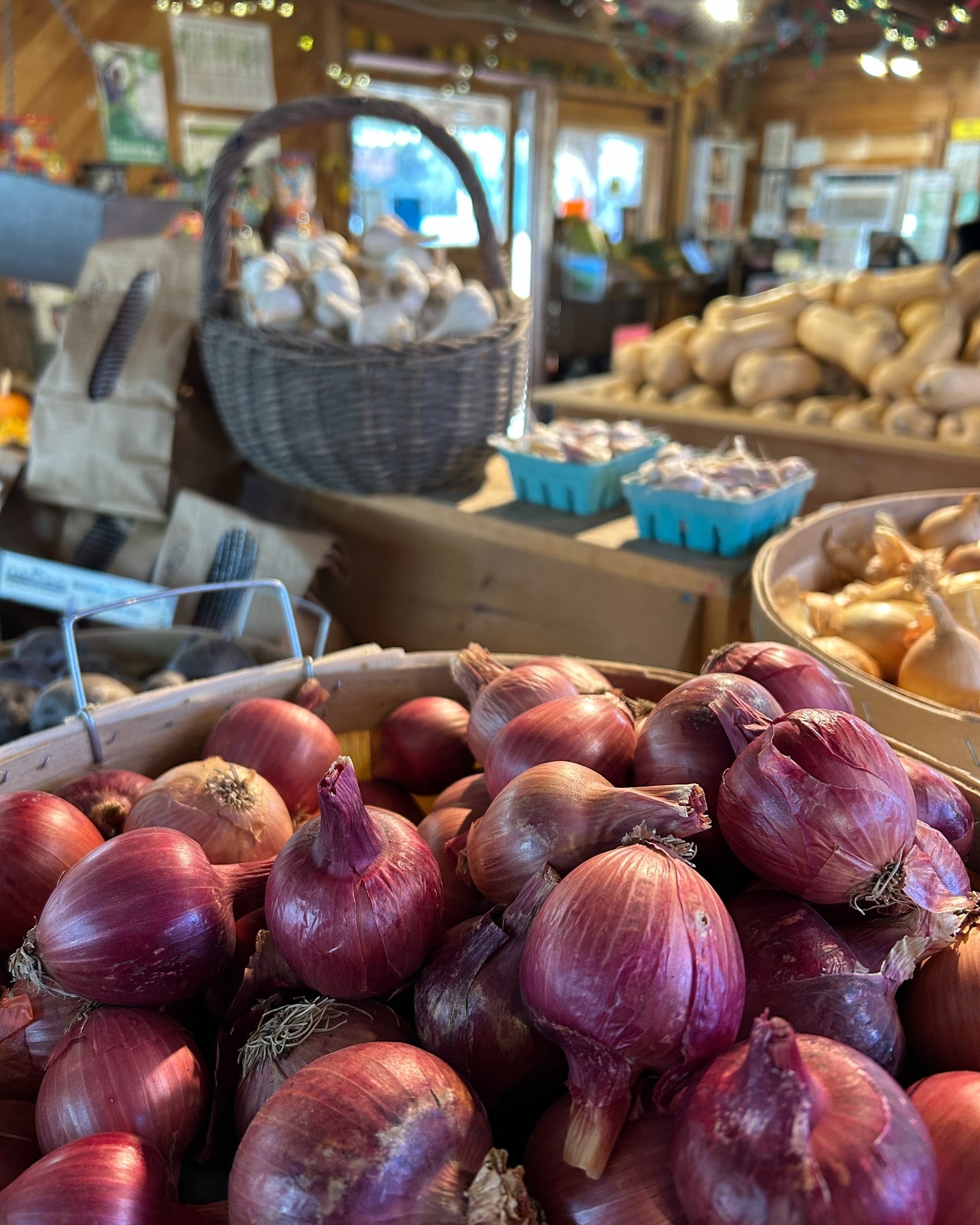
Type of Foods Inside
Photo gallery
Contact Details


Products


Producers